


What Is Rib Remodeling Surgery?2026.03.12
A Procedure That Designs the Waistline by Changing Rib Angles, Not Just Reducing Fat
The waistline is not determined by fat alone.
In reality, the appearance of the waist is influenced by several anatomical factors, including the thickness of subcutaneous fat, the tension of the abdominal muscles, the balance with the pelvis, and the outward flare of the lower ribs. This is why some body types do not achieve an ideal waistline with liposuction alone. One of the most typical examples is a body shape in which the rib cage itself makes the waist look square. In recent years, aesthetic surgery has begun to report techniques known as rib remodeling, which aim to create contour change not by removing ribs, but by creating controlled partial fractures and using external fixation to gradually guide the rib angle.
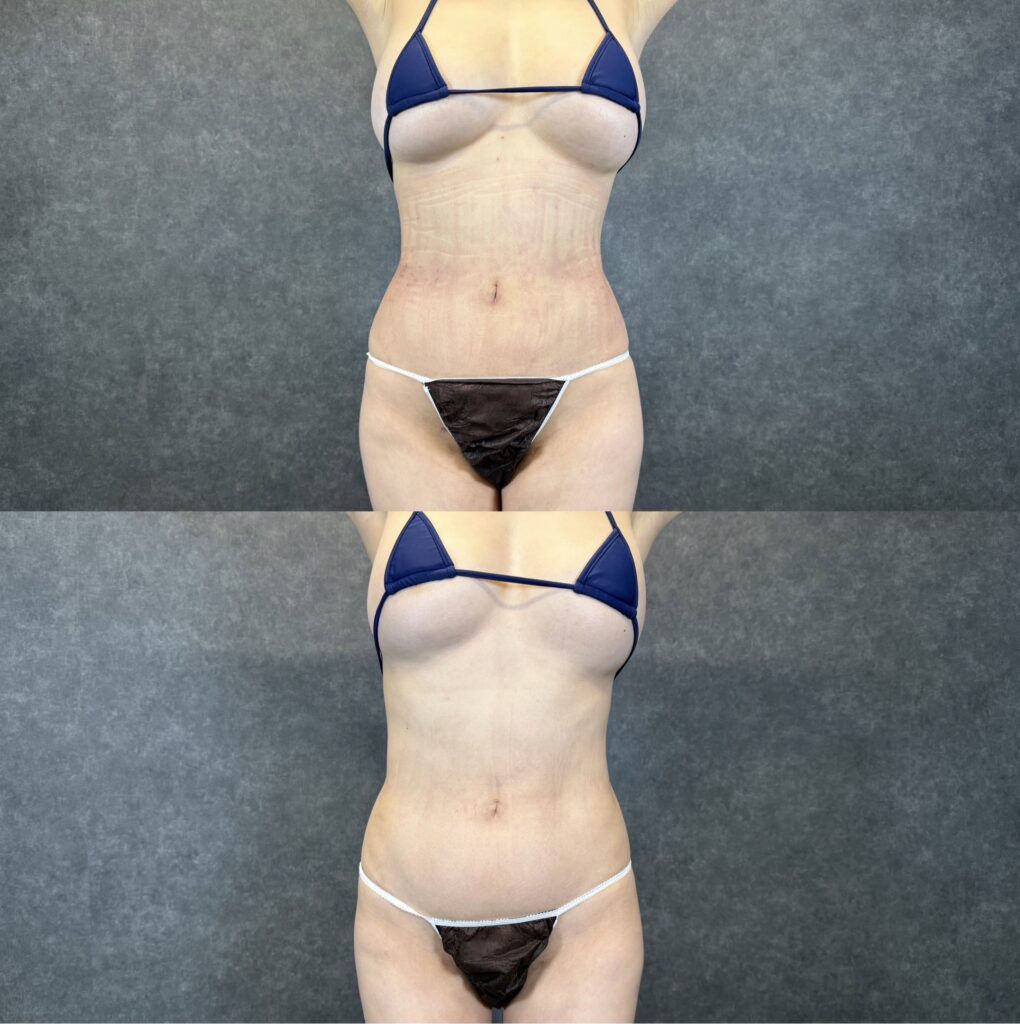
The essence of this procedure is not simply to make the body smaller.
It is to redesign the skeletal frame itself in a way that is more favorable for a defined waistline. For that reason, it may theoretically be well suited to patients who are already relatively slim, have limited excess fat, but still do not show enough waist definition because of rib flare. At the same time, this field is still relatively new, and the available literature remains limited compared with more established aesthetic procedures.
The Main Concern Patients Have Is Pain
One of the biggest concerns with rib remodeling surgery is, naturally, pain.
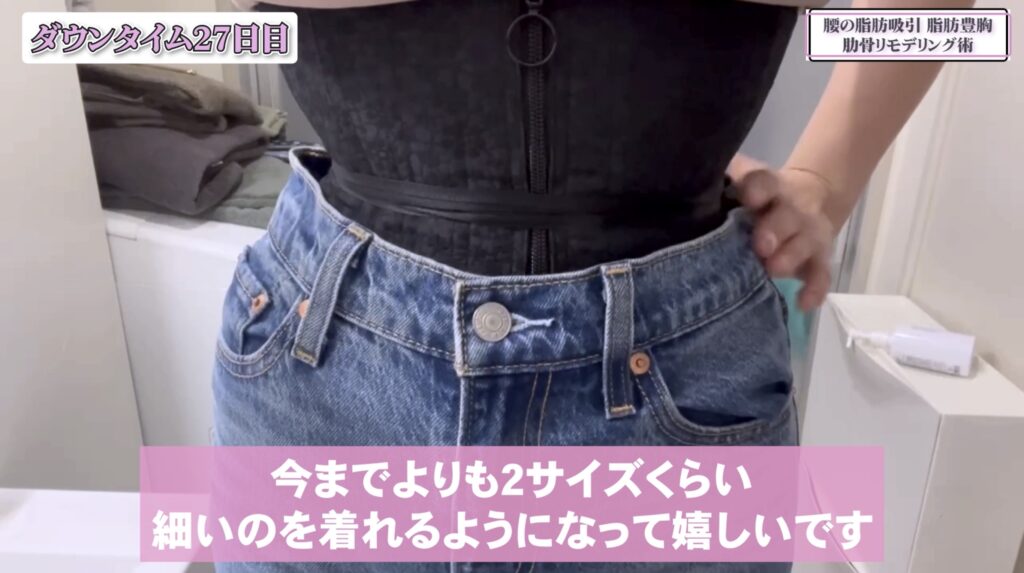
When patients hear the phrase “bone fracture,” it is completely understandable that they imagine intense pain. However, it is important not to equate a carefully planned, limited, aesthetic bone procedure with traumatic multiple rib fractures caused by an accident. Still, because bone is being treated, discomfort, pain with movement, and pain with breathing are real postoperative considerations. In general rib fractures, healing commonly takes around 6 to 12 weeks, although the severity and recovery course vary from person to person.
Ribs are also not unbreakable bones.
In people with fragile bone quality, even coughing can sometimes cause a rib fracture. Rib remodeling surgery is based on this biologic property: a controlled, localized change is created in the rib so that its angle can be gradually guided into a more favorable position.
The Most Important Part of This Surgery Is Postoperative Fixation
Rib remodeling surgery is not completed by the operation alone.
In many ways, what matters most is how the ribs are stabilized after surgery and how bone healing is guided. Recent reports in aesthetic surgery emphasize that postoperative corset fixation or external support is a key part of maintaining the desired waist contour. In other words, the operation creates the opportunity for change, but the final shape is strongly influenced by postoperative management.
This point is extremely important from an aesthetic perspective.
With liposuction, the amount of fat removed often directly influences the visible result. Rib remodeling is different. The quality of fixation, how consistently the corset is worn, and how carefully recovery is managed all contribute to the final contour. That is why this procedure should be performed in a clinic that can design not only the operation itself, but also the full postoperative course.
How Rib Remodeling Differs from Liposuction
Liposuction creates contour by removing subcutaneous fat.
Rib remodeling, by contrast, aims to create a waistline by changing the structural direction of the rib framework itself. Even though both procedures may improve the waist, they work on completely different anatomical layers. In patients whose main problem is excess fat, liposuction is usually the more powerful option. In patients whose waist shape is strongly influenced by rib flare, rib remodeling may offer a more direct theoretical advantage.
That is exactly why patient selection matters so much.
A truly beautiful waistline is rarely created by one technique alone. It comes from understanding which part of the contour is caused by fat, which part is caused by bone structure, and how the surrounding soft tissue contributes to the overall silhouette.
Why It Matters to Receive This Procedure in a Clinic That Understands Full Body Design
Rib remodeling surgery is still a relatively new area in aesthetic surgery.
Although interest is growing and more reports are being published, long-term data and standardization remain less developed than for many other cosmetic procedures. That is why proper indication, detailed explanation of risk, postoperative fixation, and close follow-up are especially important.
The value of undergoing this procedure at AVAN TOKYO is not simply that the procedure is available.
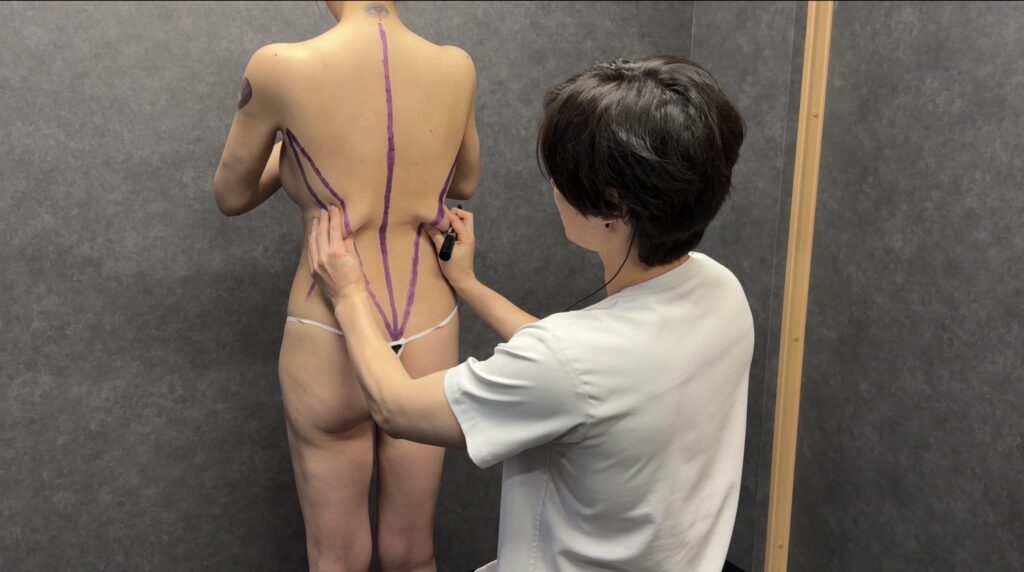
It is that waist design is approached three-dimensionally, with careful evaluation of what is caused by fat and what is caused by skeletal structure. Waist beauty is not determined only by front-view measurements. It is defined by the transition seen from the front, oblique, side, and back views. Rib remodeling is one of the few options that can address the skeletal frame itself.
Conclusion
Rib remodeling surgery is a procedure that uses controlled partial rib fracture–like changes, external fixation, and bone healing to gradually alter rib angles and create a more defined waistline. It is a promising concept in modern body contouring, but because it is still a developing field, patient selection and postoperative management are essential.
For patients whose waistline is limited not by fat, but by skeletal structure, this can be a highly attractive option.
And to turn that potential into a beautiful result, the key is to choose a clinic that designs not only the operation, but also the healing and fixation process afterward.