


The Results of Fat Grafting Breast Augmentation Are Not Determined by Surgery Alone2026.03.14
How Postoperative Diet May Influence Fat Retention and Recovery
Fat grafting breast augmentation is an attractive procedure because it uses your own fat to create a softer, more natural breast shape.
Compared with implants, it offers unique advantages in terms of softness, natural feel, and how naturally the breasts blend with the body.
At the same time, fat grafting breast augmentation has one important characteristic:
there is considerable individual variation in how much of the transferred fat survives.
Even when the same amount of fat is injected, some patients maintain volume very well, while others experience more absorption than expected.
In other words, the final result cannot be explained simply by how many cc were injected.
That is why, at AVAN TOKYO, we believe the outcome depends not only on the surgery itself, but also on how the body is supported after surgery — especially through diet and lifestyle.
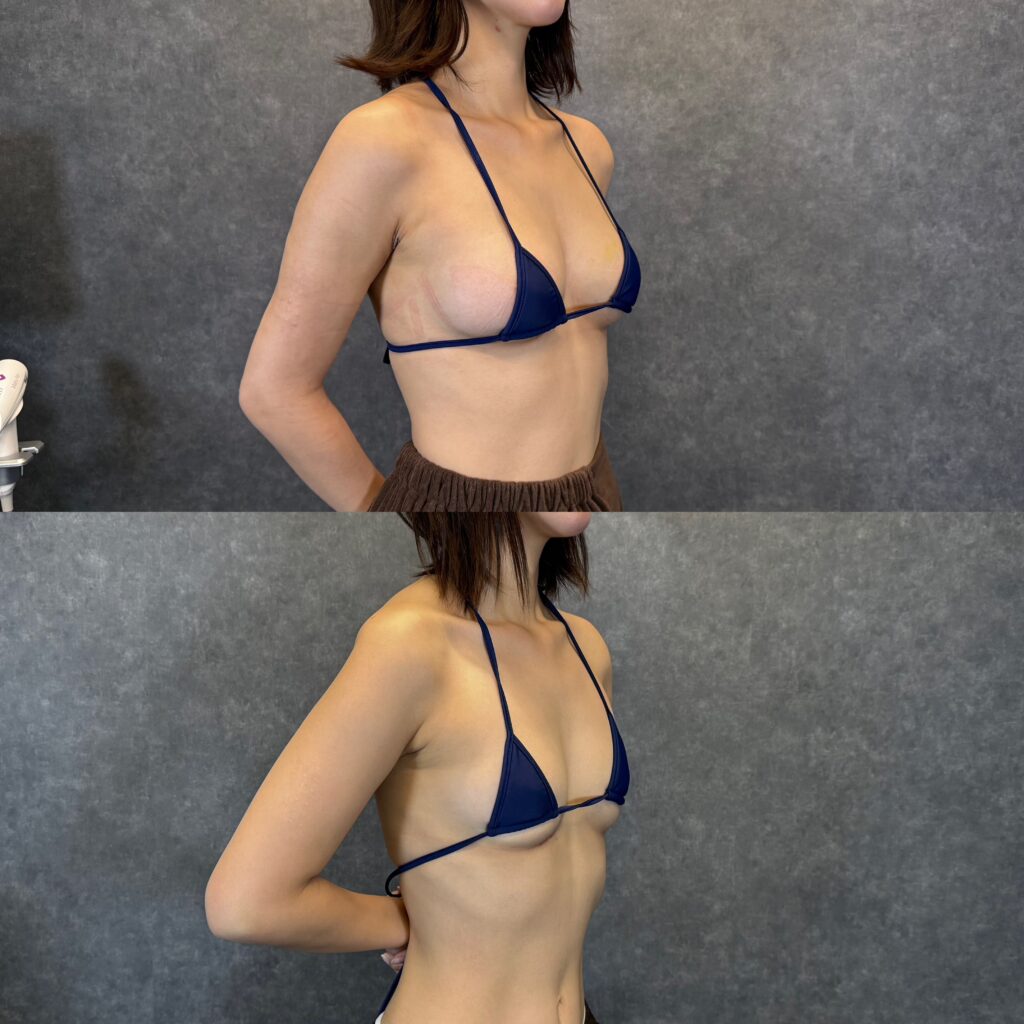
Does Diet Really Affect the Result?
Some people may think that paying attention to diet after fat grafting breast augmentation is unnecessary.
Of course, everyone is free to have their own opinion.
However, in daily clinical practice, we often feel that nutritional status and eating habits can influence postoperative recovery, contour stability after liposuction, and how fat grafted breasts settle over time.
The important point is not to claim that food alone determines the outcome.
Rather, it is more accurate to say that fat graft survival occurs inside a biologic environment, and that environment is influenced by overall health, circulation, inflammation, and nutritional balance.
Because of this, postoperative dietary care should not be dismissed as meaningless.
Especially in fat grafting, where transferred fat must survive and adapt to a new environment, supporting the body from the inside makes medical sense.
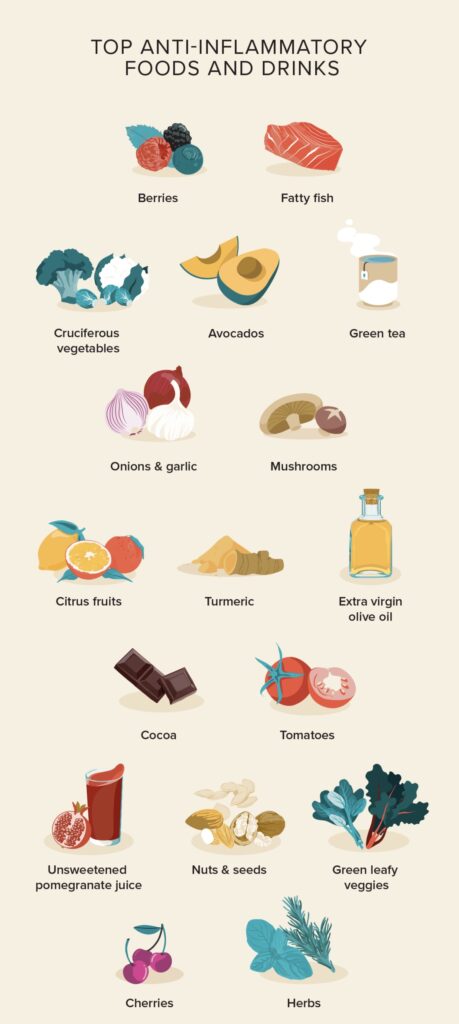
Why Is There So Much Individual Variation in Fat Retention?
Not all transferred fat survives permanently.
How much fat remains depends on many factors, including:
- the quality of the harvested fat
- the processing method
- the injection technique
- the plane of injection
- blood supply in the recipient tissue
- the degree of inflammation after surgery
- the patient’s metabolism and tissue characteristics
This means that fat retention is influenced by many variables and is inherently difficult to predict with perfect accuracy.
That is why AVAN TOKYO focuses not only on how much fat is injected, but also on how to create a condition in which the transferred fat has the best possible chance to survive beautifully.
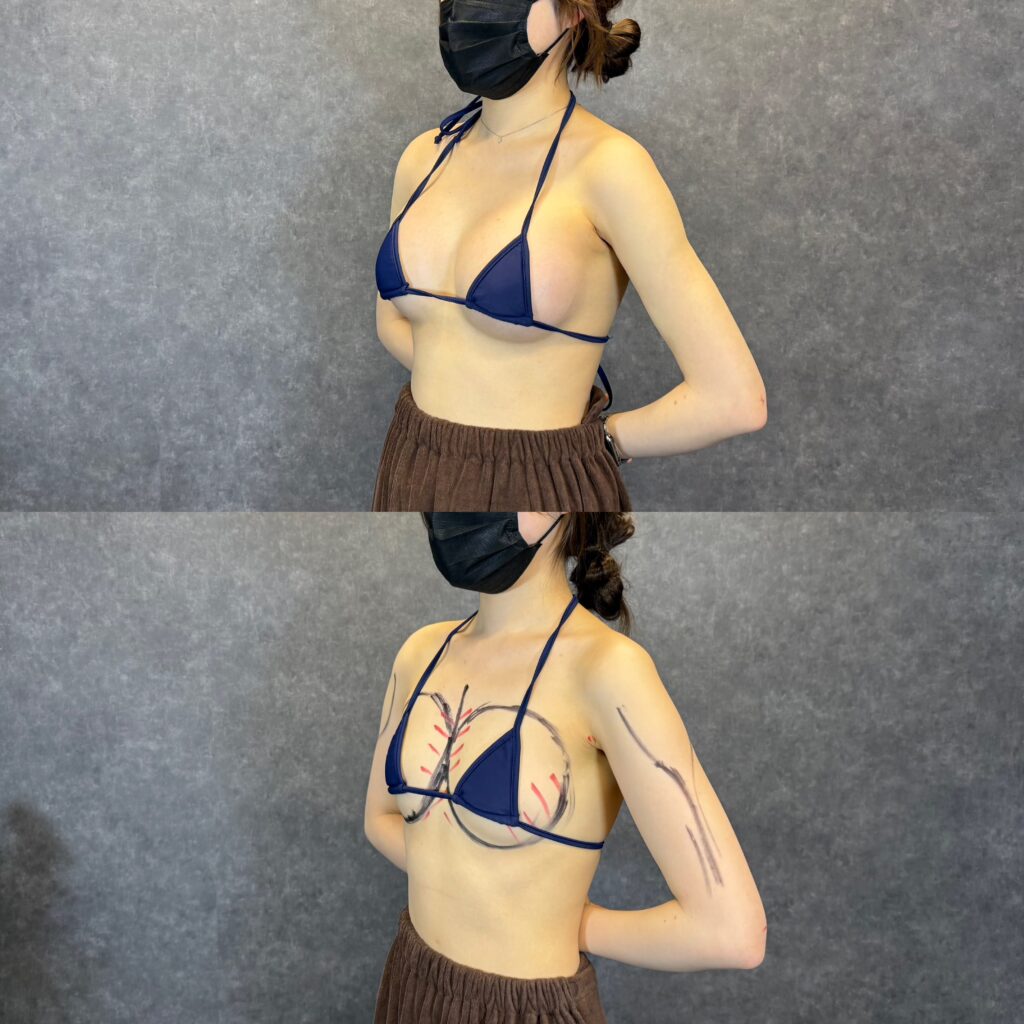
The Goal Is Not to “Eat More”
The Goal Is to Eat in a Way That Supports Recovery
One important point must be made very clearly:
After fat grafting breast augmentation, the goal is not overeating.
The idea that “because fat was transferred, I should eat as much high-calorie food as possible” is not medically appropriate.
In fact, a diet centered on junk food, extreme imbalance, or rapid weight fluctuation may create an unfavorable environment for healing.
What matters more is supporting recovery through a stable and balanced nutritional foundation, such as:
- sufficient protein intake
- avoiding extreme nutritional deficiency
- avoiding diets that may impair circulation or healing
- avoiding sudden weight loss or major dietary imbalance
In other words, what matters is not eating excessively, but creating a nutritional environment that is more favorable for recovery and for the body to accept the transferred fat.
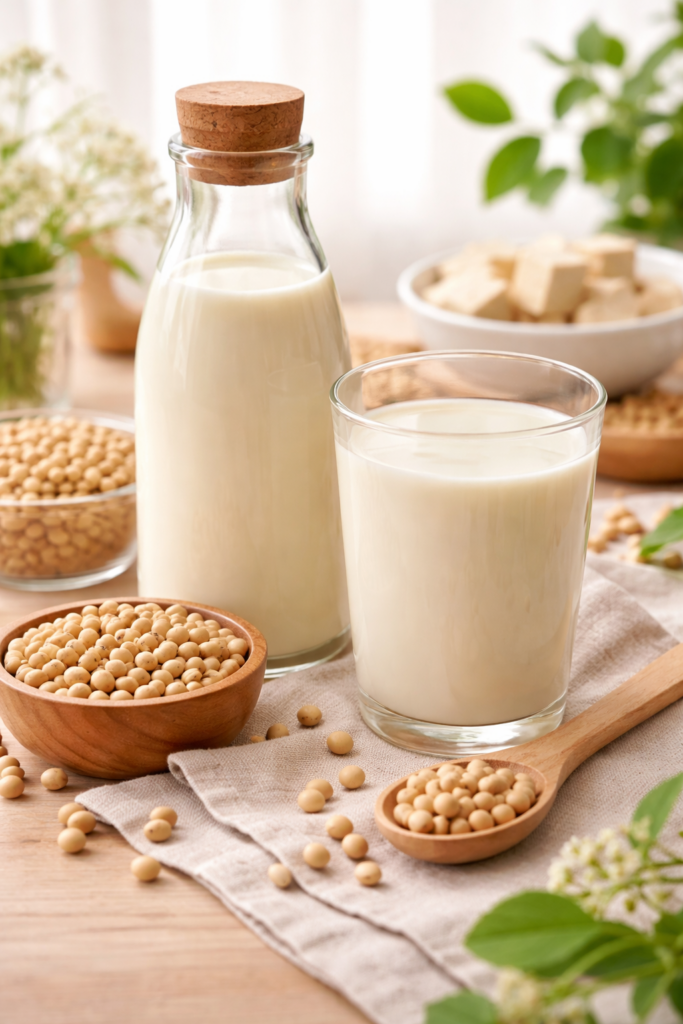
Why Do We Sometimes Recommend Soy Milk?
At AVAN TOKYO, as part of postoperative dietary guidance, we may recommend incorporating soy milk into daily life.
One reason is that soy milk is relatively easy to continue consistently.
It is a simple habit that can be added to daily life without placing too much burden on the patient.
That said, this point is extremely important:
We cannot honestly say that
“drinking 1 liter of soy milk per day definitively increases fat graft survival,”
or that
“fat grafting plus 1 liter of soy milk per day guarantees a 2-cup increase.”
At present, that level of strong clinical proof is not established.
So when we speak positively about soy milk, it should be understood as:
- part of a broader effort to improve postoperative dietary awareness
- something we have found clinically practical and easy to continue
- an element of lifestyle support, not a guaranteed medical formula
This distinction is very important in order to remain medically responsible and honest with patients.
Even So, Paying Attention to Diet Still Has Meaning
In fat grafting breast augmentation, it is impossible to control fat survival perfectly.
But precisely because not everything can be controlled, it becomes even more important to carefully optimize the factors that can be improved.
In practice, patients who are highly attentive to their diet and postoperative lifestyle often seem to show tendencies such as:
- more stable body weight
- smoother recovery
- more natural breast settling
- better preservation of liposuction contour
This is not something that can be reduced to one simplistic rule.
Rather, it is the kind of difference that becomes visible in everyday clinical follow-up.
Fat grafting breast augmentation is not a procedure that ends on the operating table.
The final result is shaped over the weeks and months that follow.
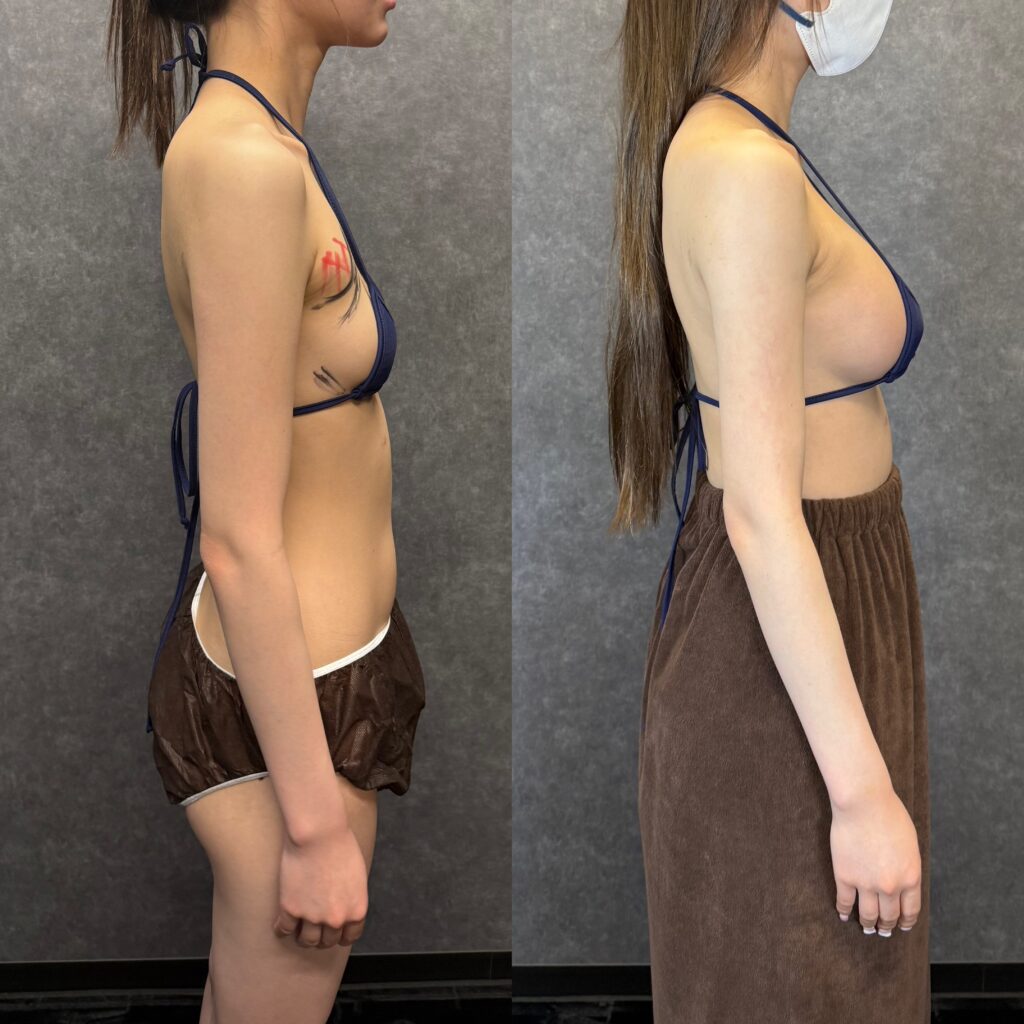
The AVAN TOKYO Approach to Postoperative Nutrition After Fat Grafting
At AVAN TOKYO, we do not tell patients that there is one magical food that will guarantee fat retention.
What we value instead is helping patients create a body environment that is:
- more favorable for fat survival
- more favorable for healing
- less prone to large fluctuations
- realistic and sustainable in daily life
That is why we emphasize practical postoperative guidance such as:
- avoiding extreme dietary restriction
- avoiding rapid weight loss in the early postoperative period
- maintaining good protein and nutritional balance
- incorporating easy, sustainable habits such as soy milk when appropriate
- avoiding large body-weight fluctuations
In other words, our philosophy is not:
“Eat whatever you want after surgery,”
and it is also not:
“Only soy milk matters.”
What matters most is keeping the body in a condition that supports both recovery and fat retention.
Conclusion
In Fat Grafting Breast Augmentation, Postoperative Diet Is Part of the Result
Fat grafting breast augmentation is an excellent option for patients seeking a natural-looking breast enhancement.
At the same time, one of its defining features is that fat retention varies from person to person and cannot be predicted perfectly.
That is exactly why AVAN TOKYO believes the result should be considered not only from the perspective of surgery, but also from the perspective of postoperative diet and lifestyle management.
Dietary habits — including practical approaches such as soy milk — should not be described as guaranteed formulas.
However, supporting the body with better nutrition and better postoperative habits still has meaningful value.
At AVAN TOKYO, we focus not only on transferring fat, but also on helping that fat settle beautifully and remain as naturally as possible through thoughtful postoperative care.