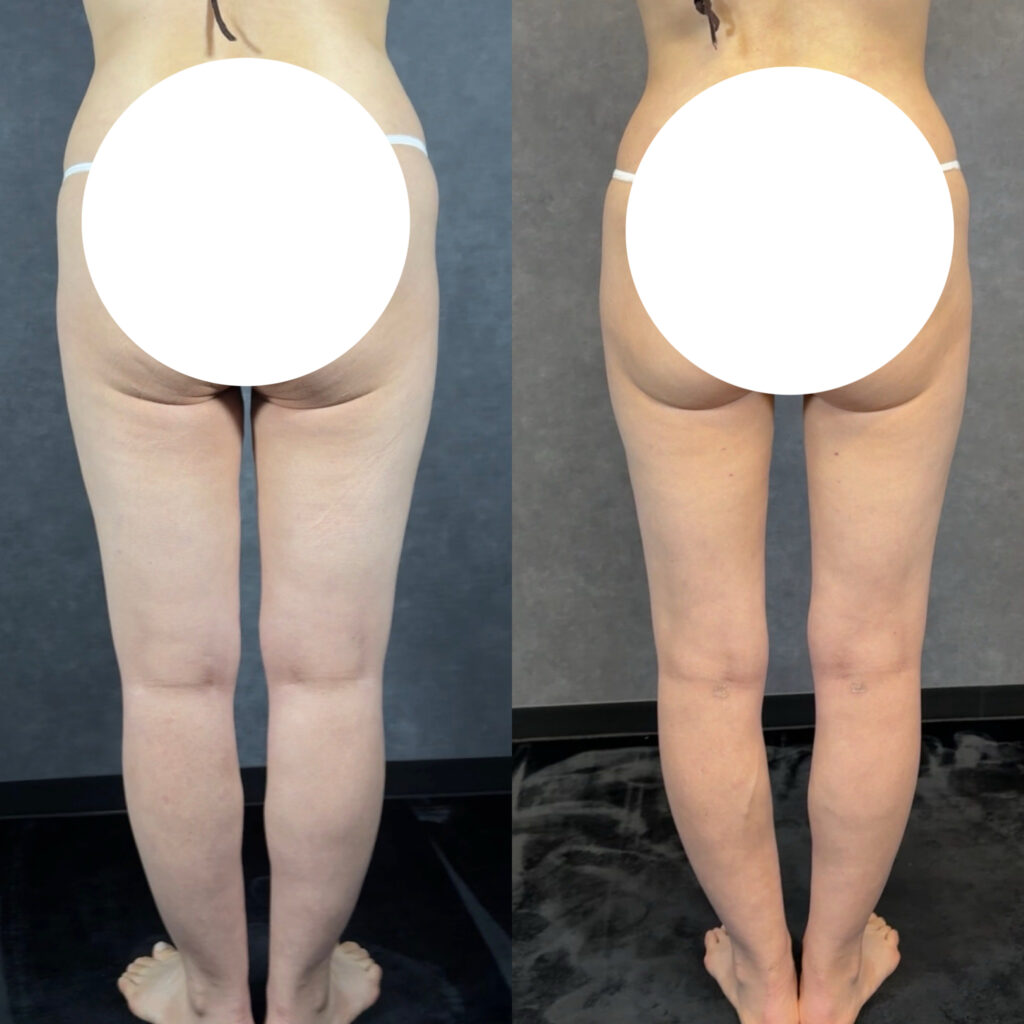
Comprehensive Body Liposuction: Benefits, Risks, and Why Post-operative Lifestyle Matters2025.11.10
— A 3-Month Case Review (Total Fat Removal: 4,900 cc)
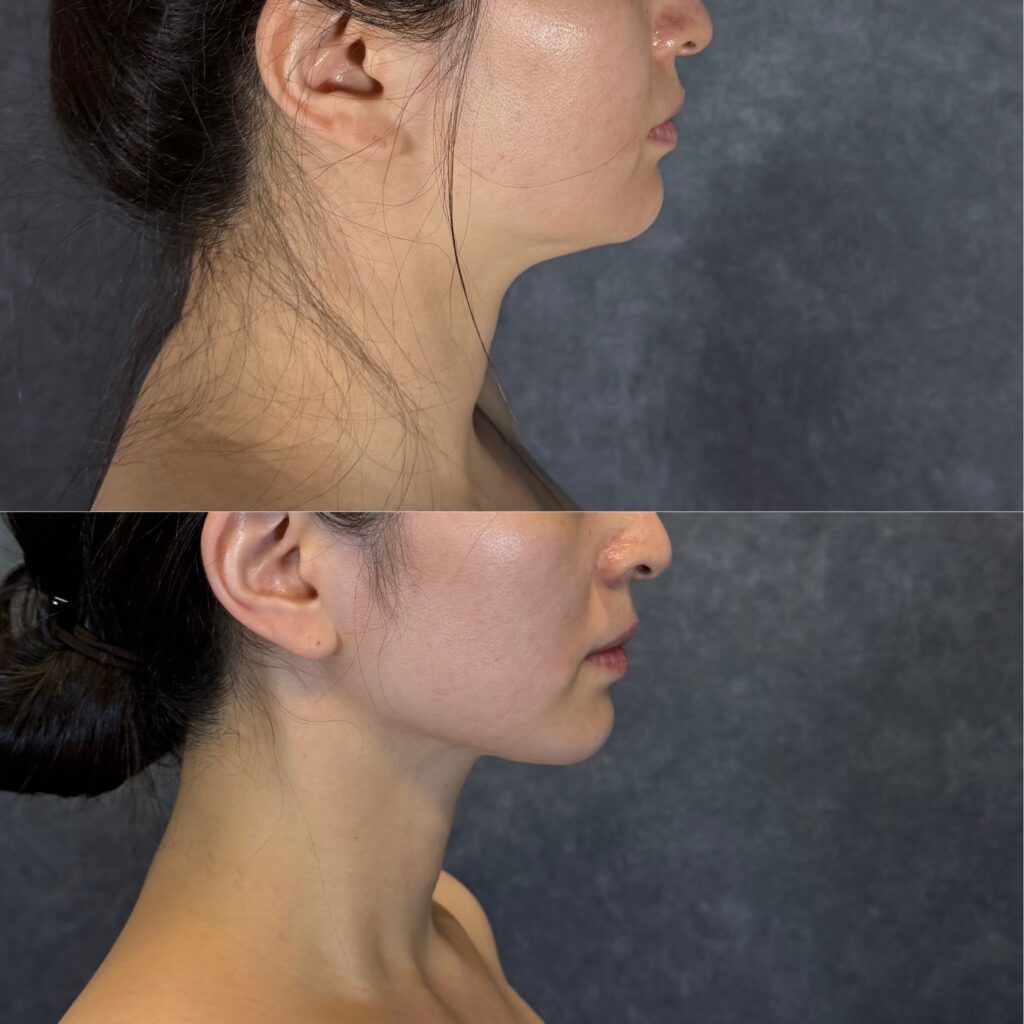
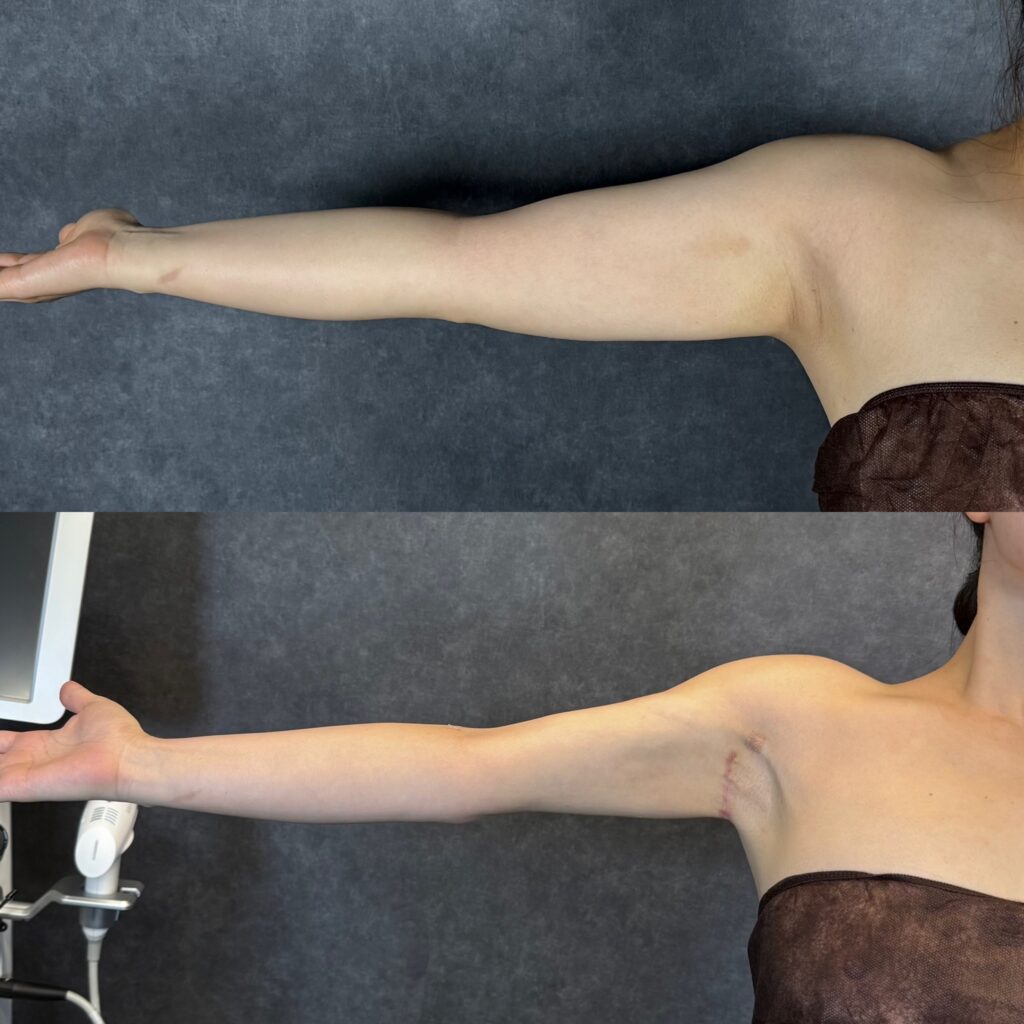
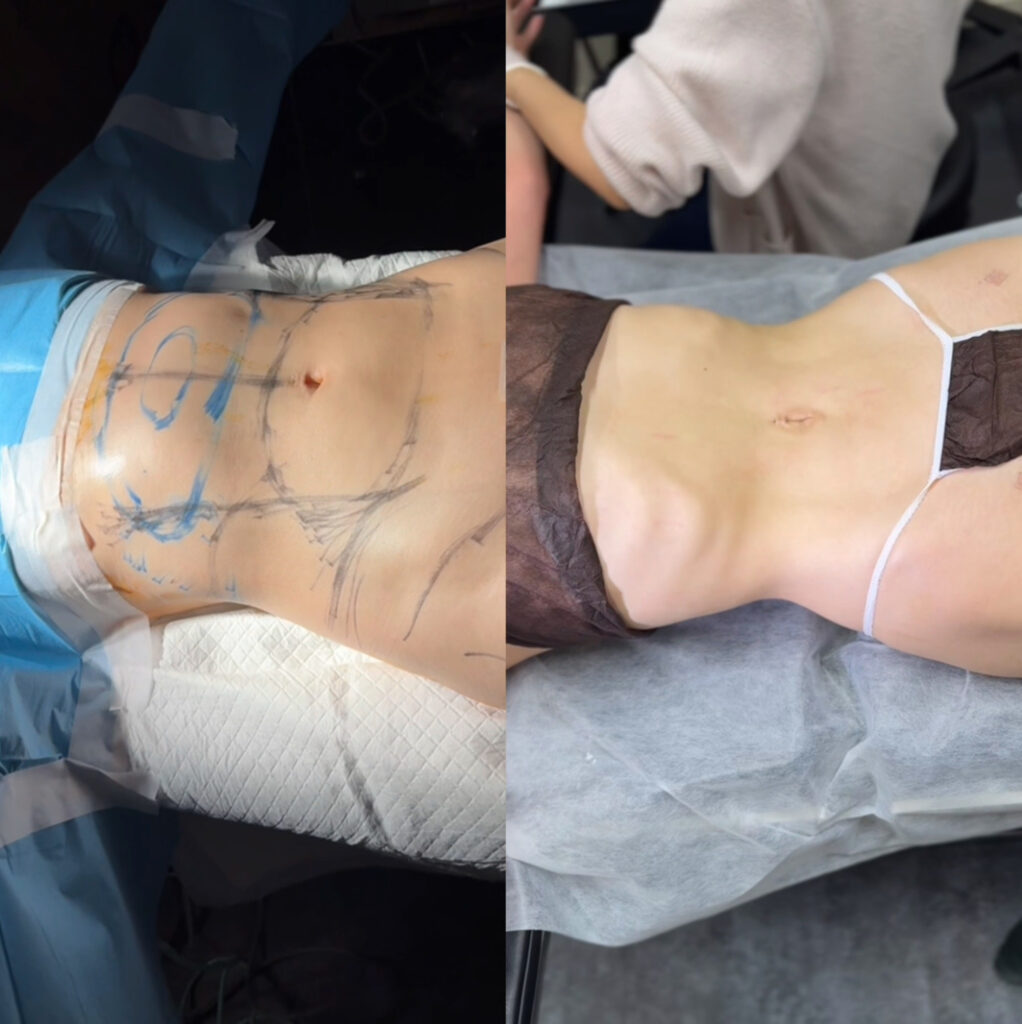
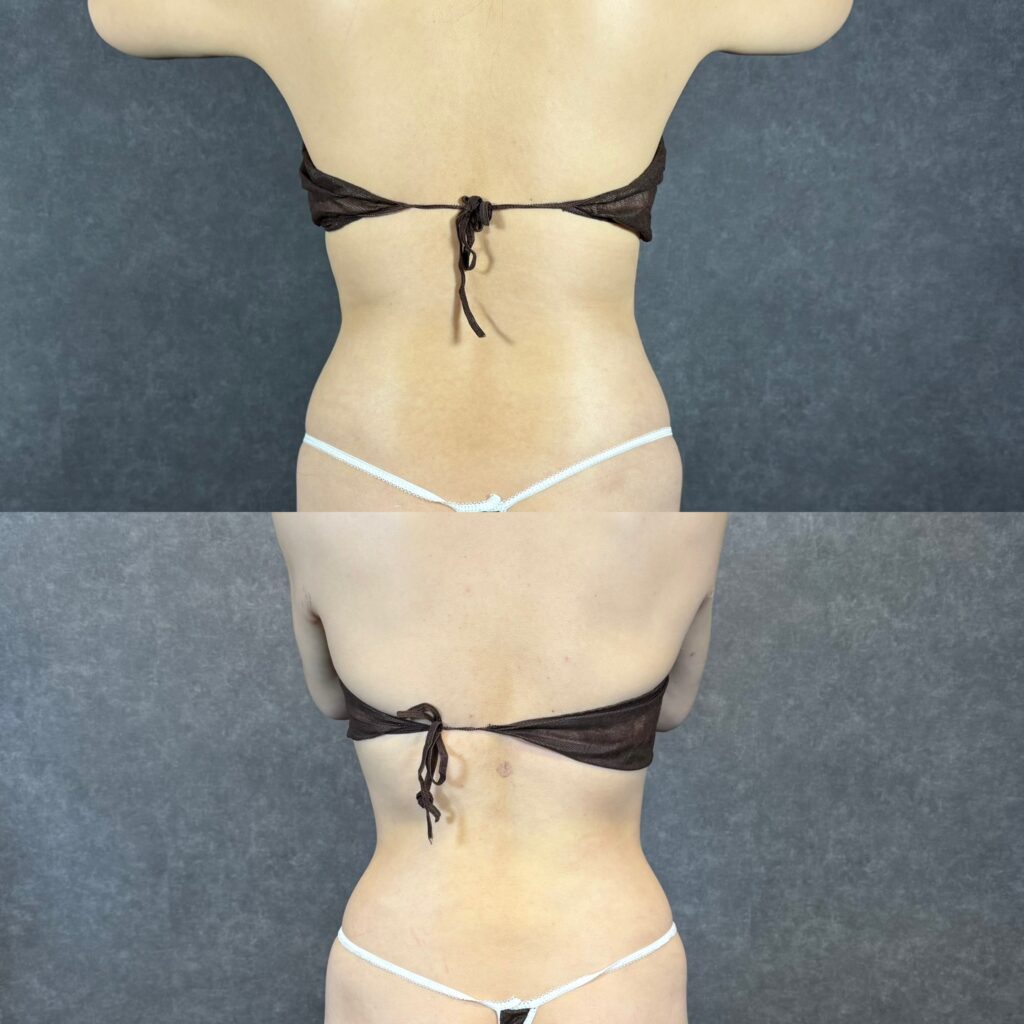
At AVAN TOKYO GINZA LIPOSUCTION CLINIC, more patients are choosing comprehensive, full-body liposuction—including the face, arms, trunk, hips, thighs, and calves—in a single surgical session.
Below is a detailed review of a patient who underwent nearly full-body liposuction as a revision case and had excellent 3-month recovery despite removing 4,900 cc of pure fat.
This article explains the true advantages and limitations of full-body liposuction, as well as the medical reasons why nutritional and lifestyle management after surgery is essential.
1. Benefits of Full-Body Liposuction
■ A unified body design
Instead of addressing each area separately, a surgeon can design the body as a whole—
• Neck–shoulder–arm line
• Waistline and trunk silhouette
• Hip–thigh–calf balance
This allows for harmonious and proportional results.
■ Recovery is consolidated
Compared with dividing surgeries into multiple sessions, anesthesia, downtime, compression, swelling, and clinic visits can be integrated into one recovery period.
■ Greater visible change
By reducing fat from multiple regions at once, the circumference, side profile, and overall thickness decrease significantly, producing dramatic improvements in photos, videos, and daily appearance.
■ Better options for additional procedures
Liposuction provides donor fat for breast augmentation or facial fat grafting, and allows RF skin tightening or secondary shaping to be planned more easily.
2. Risks and Limitations
(Full-body surgery must be medically selected for the right candidates)
■ Higher surgical load
Blood loss, fluid shift, and systemic inflammation are greater.
Preoperative blood tests and anesthesia planning are essential.
■ Risk of DVT/PE (blood clots)
Long operative times and immobility increase the risk of deep vein thrombosis.
Early ambulation, compression stockings, and perioperative management are required.
■ Anemia and fatigue
Large-volume liposuction often decreases hemoglobin. Iron and protein intake are necessary for recovery.
■ Skin laxity and contour irregularities
Areas with low skin elasticity (upper arms, inner thighs, lower abdomen) may loosen after fat removal. Combining liposuction with RF devices (FORMA/Profound) or thread lift improves outcomes.
■ Prolonged stiffness (fibrosis)
Hardness can persist for 1–3 months. Compression, lymphatic drainage, and RF help soften tissues.
■ Not everyone is a candidate
BMI, medical history, smoking status, anemia, bleeding tendency, and medication use may require staged surgeries for safety.
3. Why “Post-Liposuction Lifestyle” Is Medically Critical
Even after fat cells are removed, the body’s metabolic system attempts to return to its previous state.
This is why diet and exercise after surgery directly influence long-term results.
■ Internal fat can still increase
Removing subcutaneous fat does not prevent
• visceral fat increase
• liver fat accumulation
• insulin resistance
Poor diet, alcohol, and high sugar intake raise free fatty acids (FFA) and can worsen health and body shape.
■ Postoperative period = inflammation phase
For 2–6 weeks, inflammatory cytokines naturally rise.
High-fat, high-sugar meals and alcohol worsen swelling, stiffness, and pigmentation.
■ Skin repair requires nutrition
Collagen remodeling needs:
• Protein
• Vitamin C
• Zinc
• Iron
If these are lacking, the skin may heal poorly, sag, or retain scars.
4. Recommended Lifestyle Plan (0–12 Weeks)
0–2 Weeks
• Full-time compression
• Light walking several times a day
• Protein 1.2–1.6 g/kg/day
• Hydration 30 ml/kg/day
Avoid alcohol and smoking
3–6 Weeks
• Continue compression
• Warm showers & gentle heat to improve circulation
• Low–moderate aerobic exercise
• RF devices (FORMA) for fibrosis management
6–12 Weeks
• Gradual return to strength training
• High-protein, high-fiber diet
• Monthly body composition check
• Prioritize: fish, chicken, soy, whole grains, fruits/vegetables
5. Dietary Principles
• Choose low-GI carbohydrates
• Prioritize lean proteins (fish, chicken, tofu)
• Use omega-3 fats; avoid deep-fried foods
• Minimize alcohol for at least 1.5 months
• Absolutely no smoking
6. Summary
Full-body liposuction offers powerful benefits: holistic design and consolidated recovery.
However, because the surgical load is high, preoperative screening and postoperative lifestyle control are essential to achieve safe and long-lasting results.
“Liposuction ends on the operating table” is a misunderstanding.
In reality, the next 3 months—nutrition, movement, compression, and metabolic stability—are what determine the final silhouette.
For comprehensive body contouring with medical precision, please consult AVAN TOKYO GINZA LIPOSUCTION CLINIC.