


Smoking Before and After Surgery Is Absolutely NOT Allowed —2026.01.22
Here’s the Medical Reason Why**
For body liposuction and fat-graft breast augmentation, smoking is one of the worst things you can do.
This is not just a recommendation—it is a strict medical warning.
Ideally, patients should:
- Stop smoking at least 1 month before surgery, and
- Continue not smoking after surgery,
- Avoid all secondhand smoke as well.
These are essential for achieving a safe surgery and beautiful long-term results.
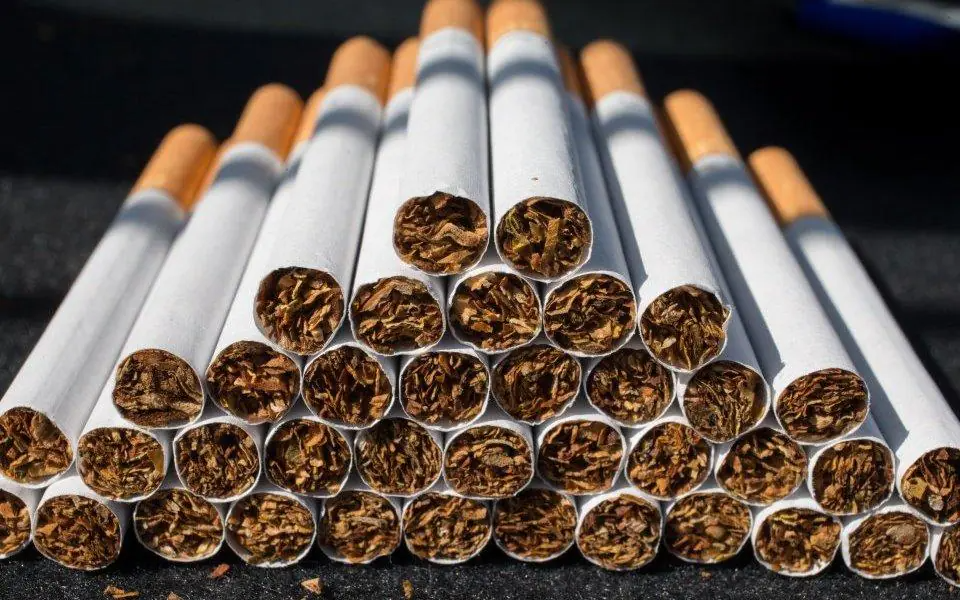
■ Why Smoking Is Terrible for Liposuction and Fat Grafting
It causes physiological and tissue-level damage that directly harms surgical outcomes.
✔ Poor wound healing & more visible scars
Nicotine causes blood vessels to constrict, drastically reducing skin blood flow.
This results in:
- Delayed wound healing
- Darker, more noticeable scars
- Higher risk of hypertrophic scars or keloids
For cosmetic surgery, this is a critical disadvantage.
✔ Stronger fibrosis (hardness) during downtime
Areas like the arms and abdomen already tend to become firm during recovery.
Smoking prolongs inflammation, leading to:
- Persistent hardness
- Irregular texture
- Longer downtime and slower improvement
✔ Higher risk of pigmentation
Inflammation increases melanin activity, causing:
- Dark discoloration
- Persistent shadows
- Uneven skin tone
✔ Fat survival rate drops significantly
Fat cells need oxygen and stable blood flow to survive.
With smoking:
➡ Much less fat survives.
➡ Final breast volume decreases.
This is one of the biggest disadvantages.
✔ Major increase in fat necrosis (lumps)
Restricted blood flow significantly increases:
- Hard lumps
- Oil cysts
- Fat necrosis
This is especially important in fat-graft breast augmentation, where smoking is one of the strongest risk factors.
✔ Higher anesthesia risks
Smokers have more airway sensitivity and worse oxygenation:
- Difficult airway management
- More complications during anesthesia
- More coughing and bleeding after surgery
✔ Higher infection risk
Smoking weakens immune response.
In cosmetic surgery, infection risk becomes 2–4 times higher.
■ For heavy smokers:
I understand that quitting completely can be difficult.
But during the surgical period:
**Even reducing the number of cigarettes helps—
but zero is the goal.**
Your surgical result depends heavily on it.
■ At AVAN TOKYO Ginza Liposuction Clinic
We focus on:
- Maximizing surgical results
- Minimizing risks
- Creating long-lasting, beautiful body lines
To achieve this, strict smoking control is essential.
Cosmetic surgery is not just about the operation—
your postoperative habits determine over half of the final outcome.