


Maximizing Fat Survival After Fat-Graft Breast Augmentation2026.02.01
— The First 1 to 1.5 Months Determine the Final Result —
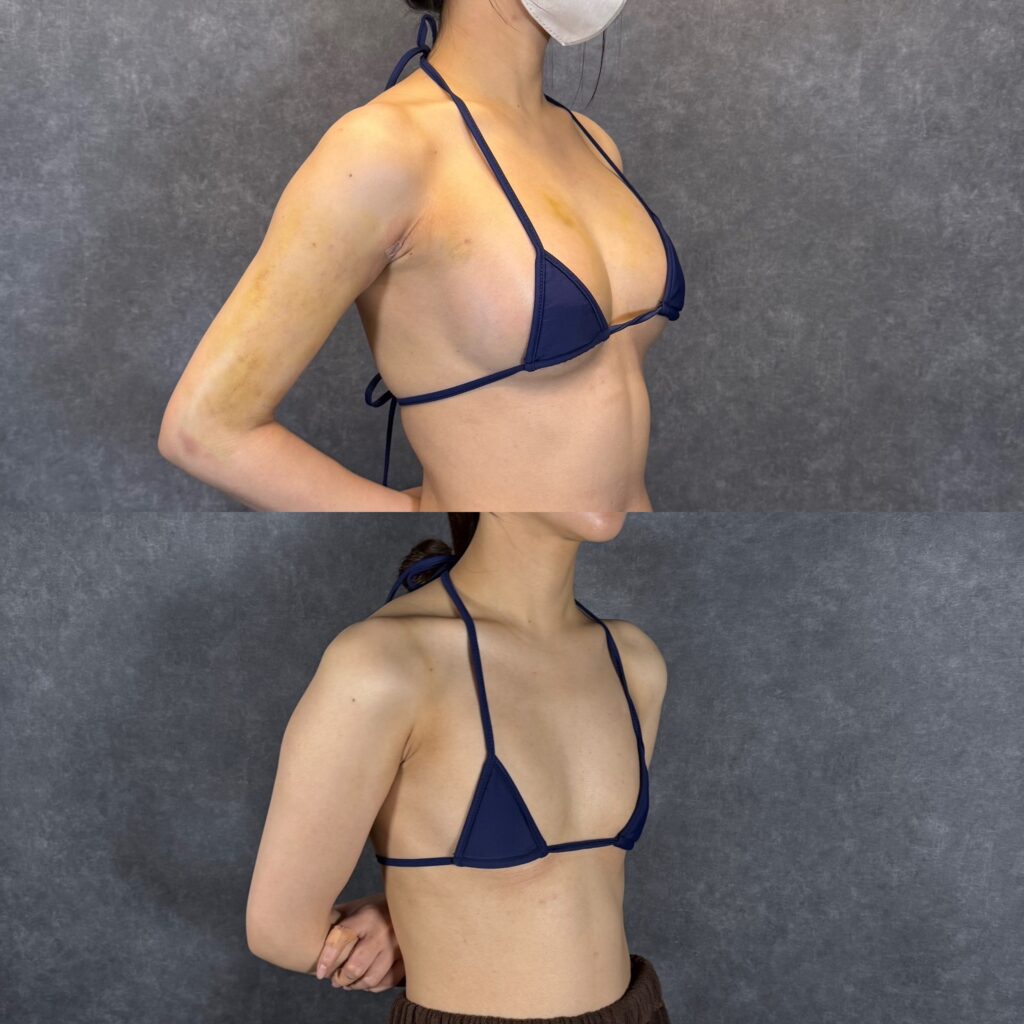
After fat-graft breast augmentation, breast volume naturally decreases over the first 1–1.5 months.
During the first week the breasts appear full, but the true outcome depends on how well the injected fat survives during the recovery period. This early phase is crucial for determining long-term volume, softness, and the risk of complications.
At AVAN TOKYO, we emphasize five science-based strategies to help patients maximize fat survival and minimize risks such as infection or fat necrosis.
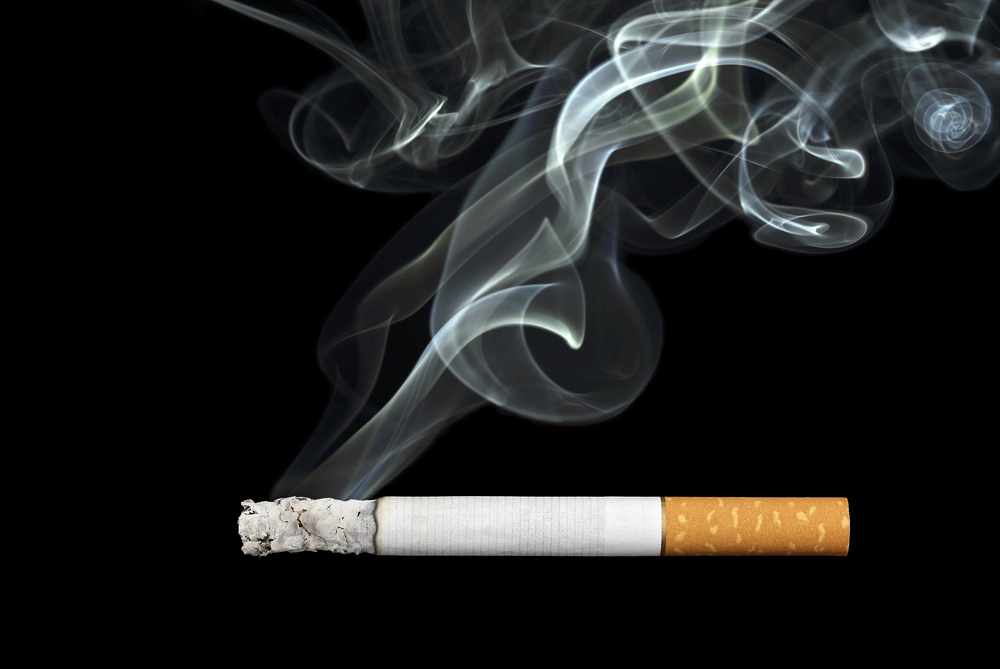
1. Strict No-Smoking Policy (Most critical factor)
Smoking and even second-hand smoke significantly reduce blood flow, which fat cells depend on for survival. This directly increases:
- Infection risk
- Lower fat survival
- Fat necrosis (lumps)
- Delayed wound healing
For safe and stable results, we recommend avoiding smoking from at least two weeks before surgery to 1.5 months after surgery.
2. Anti-inflammatory, nutrient-rich diet
Inflammation impairs fat survival. Postoperative diet management is therefore essential.
The following foods are especially beneficial:
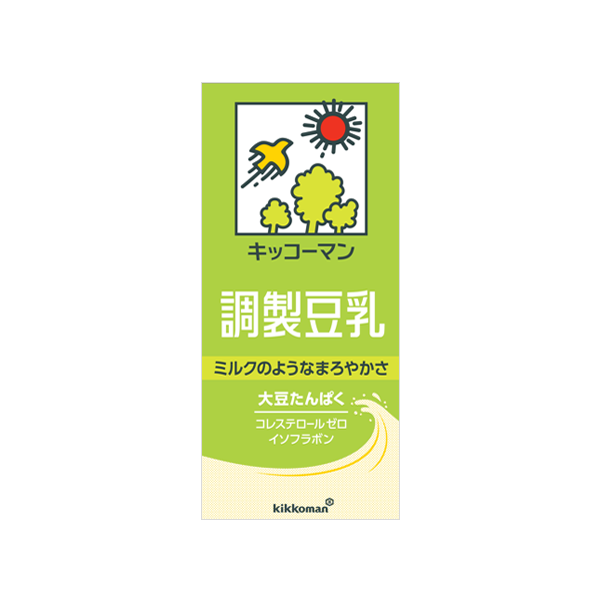
- Soy products (natto, tofu, soy milk): support a low-inflammatory environment
- Japanese-style meals: less fat, fewer additives
- Vegetables and fish-based nutrition: support tissue healing and cellular stability
Patients who maintain this diet often show noticeably better fat retention.
3. Moderate daily movement
Gentle activity improves circulation to the chest, supporting fat survival.
Recommended:
- 30 minutes of walking per day
- Gentle arm movement
Avoid any activity that compresses the breasts.
4. Quality sleep and stress control
Most tissue repair occurs during sleep.
Stress increases inflammatory markers that reduce fat survival.
Maintaining a calm daily routine is an important part of achieving natural, long-lasting results.
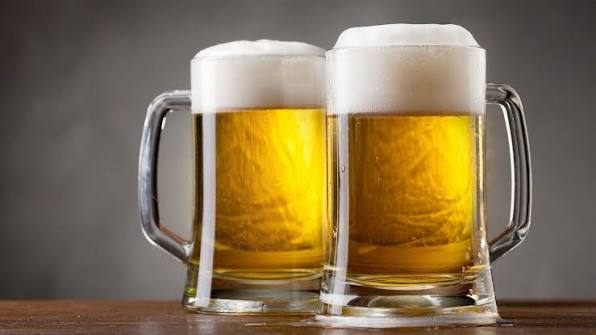
5. Minimize alcohol (ideally avoid it)
While small amounts may be acceptable, alcohol increases inflammation and swelling.
Excessive drinking reduces fat survival and increases the risk of postoperative complications.
Why postoperative care matters
The first 1–1.5 months are when the injected fat develops blood supply and stabilizes.
Lifestyle management during this period directly influences:
- Long-term volume retention
- Softness and natural shape
- Risk of lumps or necrosis
- Stability of the final aesthetic result
At AVAN TOKYO, we combine precise surgical technique with detailed postoperative guidance to help every patient achieve the most natural, stable, and aesthetically refined result possible.