


Breast Ptosis Treatment: The Two Medical Approaches You Must Understand2026.02.26
Breast ptosis (sagging) occurs due to skin laxity, loss of elasticity, weight changes, pregnancy and breastfeeding, and aging.
Medically speaking, there are only two ways to improve ptosis:
① Add volume
(silicone implants or fat grafting)
② Remove excess skin
(mastopexy / breast lift)
⸻
■ Why breasts sag
Common causes include:
• Losing more than 10 kg through dieting
• Postpartum volume loss after breast engorgement
• Age-related loss of skin elasticity
These conditions create excess skin, causing the breast to appear deflated and droopy.
⸻
■ Mild ptosis: Volume addition can “improve the appearance”
For mild sagging, procedures such as:
• Silicone implants
• Fat grafting
• Hybrid breast augmentation
can add volume to the upper pole and make the breast look lifted.
However, this is only a visual improvement — it does not remove redundant skin.
⸻
■ Moderate to severe ptosis: Skin excision is the only definitive treatment
When sagging is significant, adding volume alone will not correct the shape.
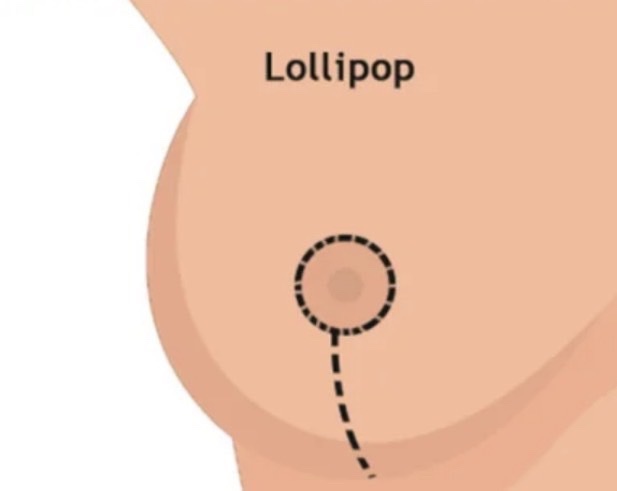
→ The only anatomical solution is skin excision: mastopexy (breast lift).
A breast lift can:
• Restore nipple position
• Remove excess skin
• Improve wrinkles and tissue laxity
• Recreate upper pole fullness
However, all mastopexy techniques inevitably leave scars, although the pattern varies by design.
⸻
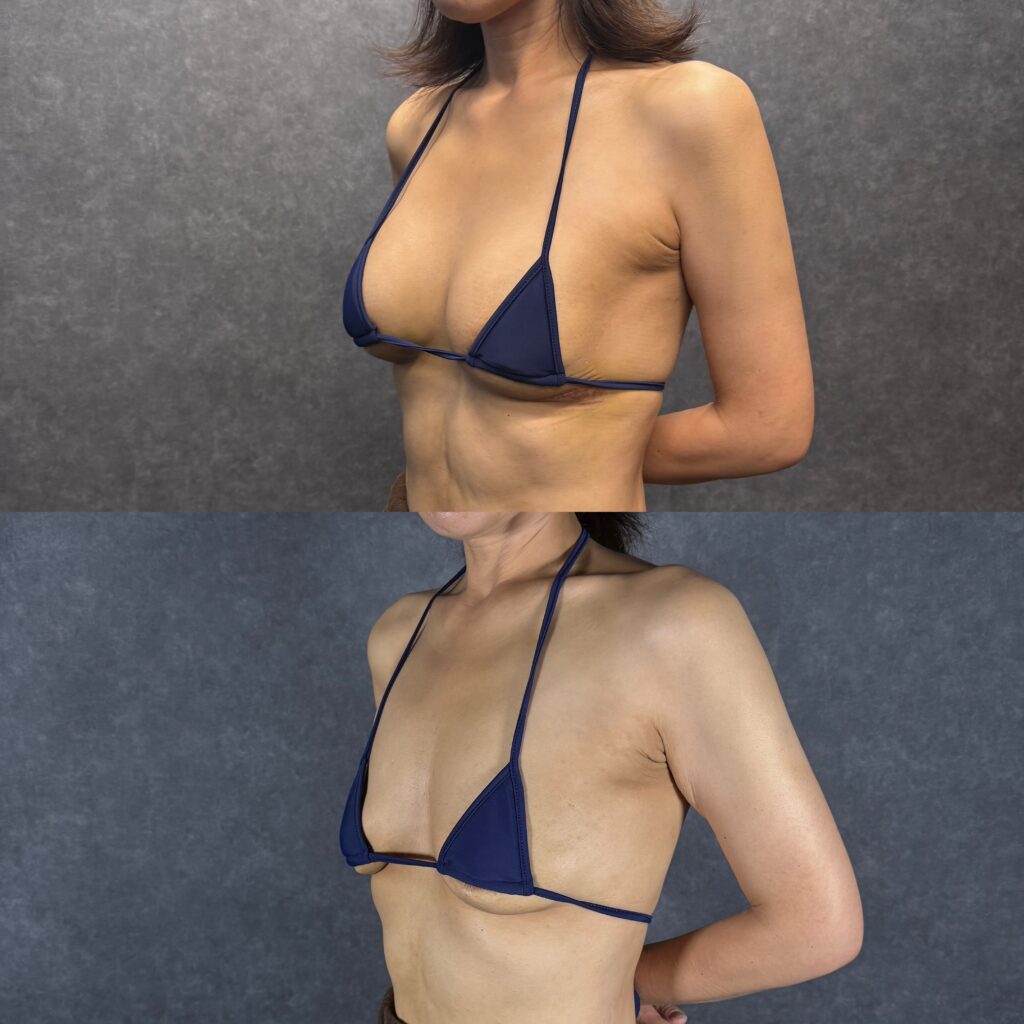
■ Case example (48-year-old woman)
This patient wished to improve wrinkling and laxity caused by sagging.
After discussing scar acceptance and desired outcome, she underwent silicone implant augmentation.
Her procedure was chosen as the best non-excisional option for her goals.
⸻
■ Understanding the trade-off: Scars vs. Shape
Breast ptosis correction always involves a clear trade-off:
• No scars → limited improvement
• Scars → dramatic improvement
Choosing the right approach requires understanding both anatomy and personal aesthetic priorities.
At AVAN TOKYO, we carefully evaluate each patient’s ptosis type, skin quality, and expectations to provide the most medically appropriate plan.