


The Results of Breast Augmentation Are Not Determined by Surgery Alone2026.03.27
What you eat during recovery can also affect your final outcome
When patients think about breast augmentation, most focus on:
- which procedure to choose
- what size to choose
- whether to use implants or fat grafting
Of course, these decisions are very important.
However, in reality, the final result is not determined by surgery alone.
At AVAN TOKYO, we also place great importance on how patients spend their recovery period, especially their diet during downtime.
In other words,
breast augmentation is not a procedure that ends on the day of surgery. It is a treatment that should be completed through proper recovery as well.
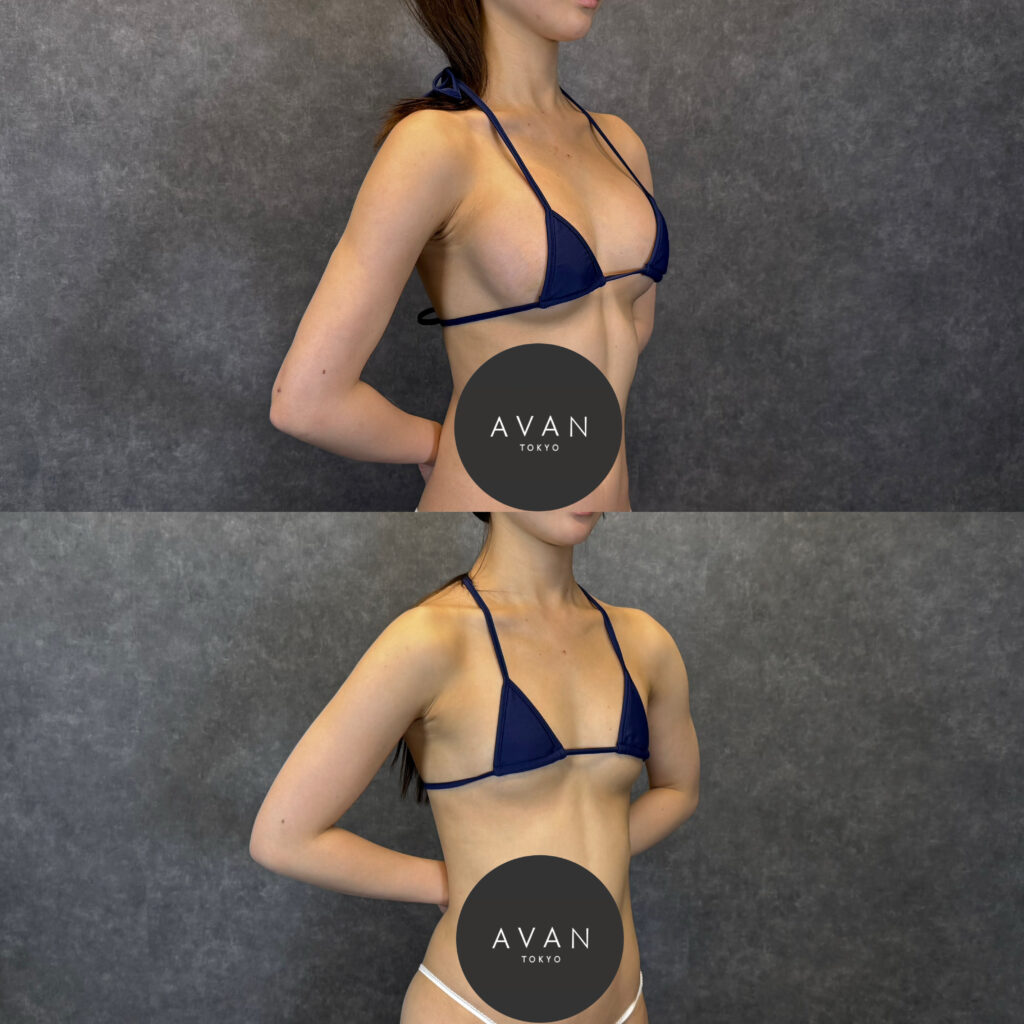
Why does diet during downtime matter?
After surgery, the body is going through tissue repair, swelling changes, inflammatory reactions, and scar formation.
This is a period when the body is fully focused on healing.
If, during this important recovery phase, the diet becomes:
- extremely unbalanced
- heavily dependent on processed foods
- excessive in sugar or alcohol
then the recovery environment may become less favorable.
Of course, this does not mean that eating one unhealthy food one time will immediately ruin the result.
However, continuing a diet that may promote unnecessary inflammation during this critical healing period is not ideal.
Five types of foods we prefer patients not to consume in large amounts during downtime
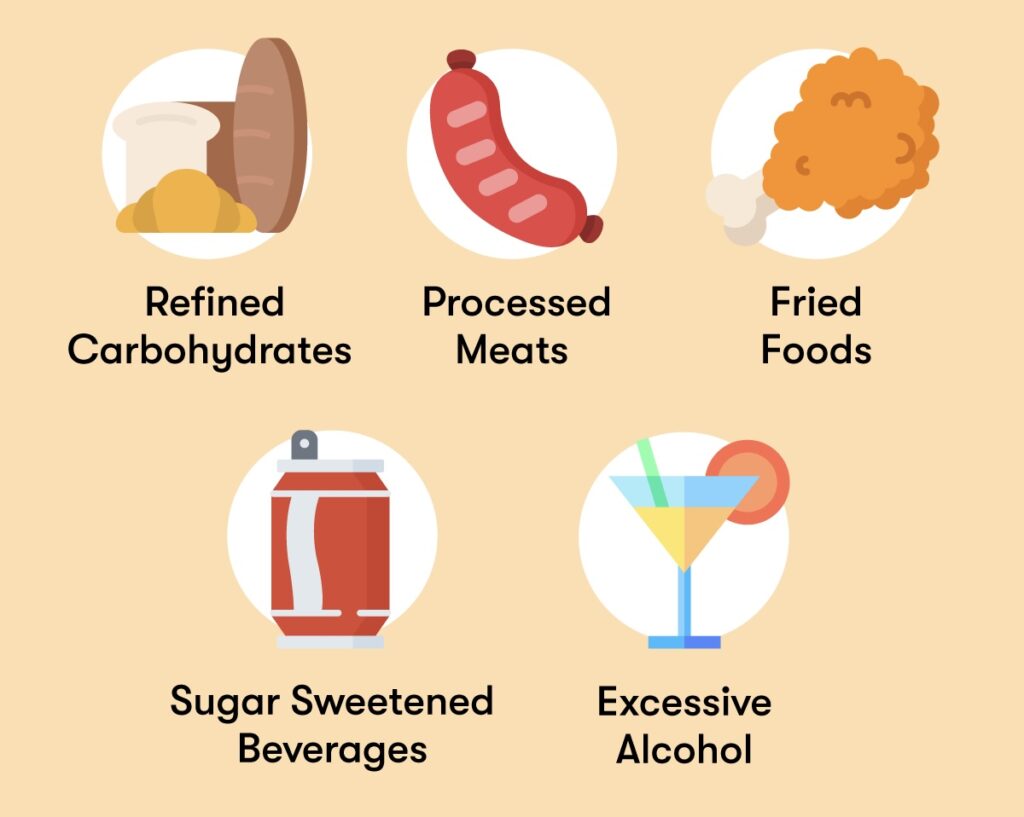
At AVAN TOKYO, after breast augmentation, we ask patients to avoid eating large amounts of the following foods during recovery whenever possible.
1. Refined carbohydrates
Examples: donuts, sweet breads, pizza, sugary desserts
2. Processed meats
Examples: sausages, ham, bacon
3. Fried foods made with poor-quality oils
Examples: fried chicken, french fries, fast food
4. Sugary soft drinks
Examples: cola, sweetened carbonated drinks, sugary energy drinks
5. Large amounts of alcohol
Especially excessive alcohol intake can place additional burden on healing and recovery.
Why is this especially important after fat grafting or hybrid breast augmentation?
In fat grafting breast augmentation, one important issue is how the transferred fat settles after surgery.
Lumps, uneven absorption, and differences in fat retention can occur depending on the individual.
In silicone implant breast augmentation, capsular contracture is one of the well-known risks.
It is influenced by many factors such as inflammation, bleeding, infection, and healing response.
This does not mean that one specific food directly causes a complication.
However, the idea of keeping the postoperative inflammatory environment as calm as possible is medically reasonable.
That is why, at AVAN TOKYO, we advise patients to avoid a diet that may place unnecessary stress on the body during recovery.
So what should patients focus on instead?
At AVAN TOKYO, we do not recommend extreme dietary restriction.
The basic idea is actually very simple:
- get enough protein
- stay well hydrated
- reduce highly processed foods
- avoid alcohol
- avoid overeating and binge eating
In other words,
what matters most is not eating something “special,”
but rather continuing a diet that supports healing without placing unnecessary burden on the body.
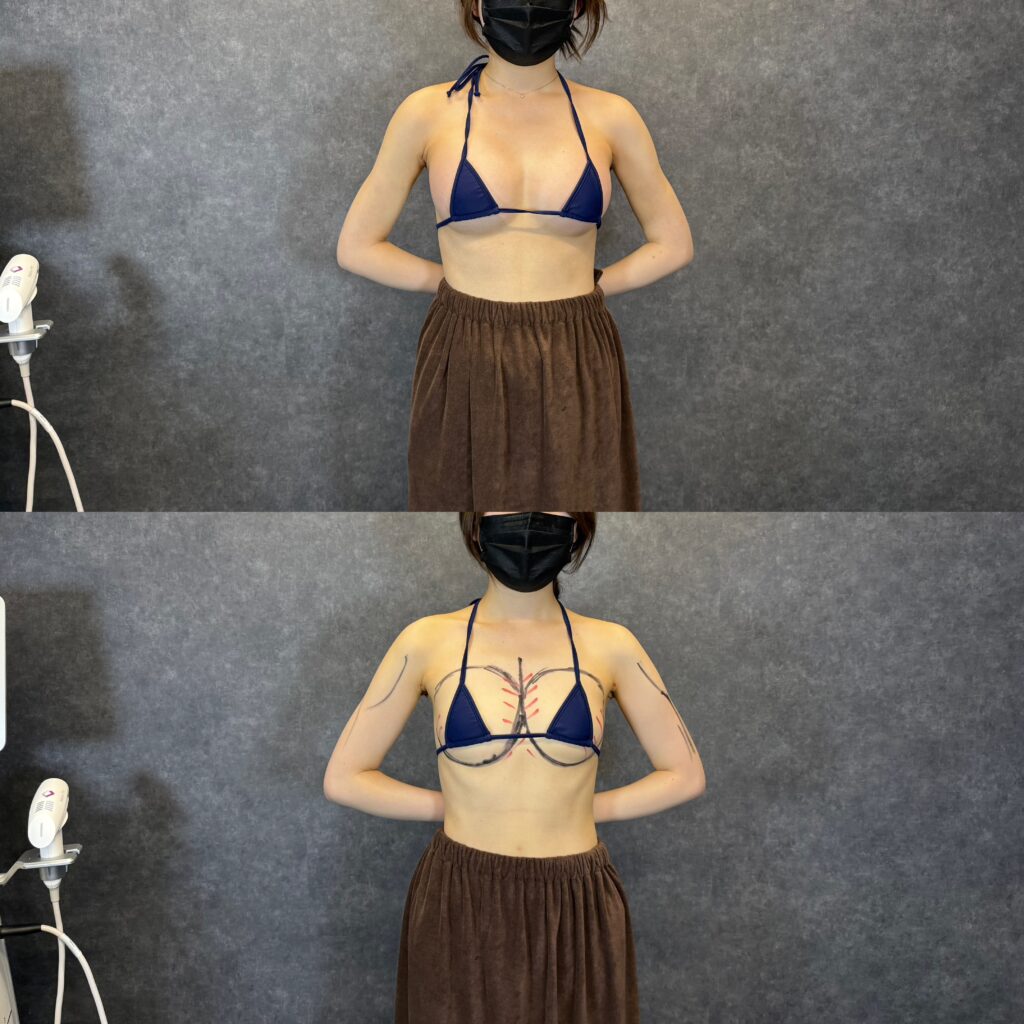
Why AVAN TOKYO values postoperative care so highly
At AVAN TOKYO, we do not think of breast augmentation as something that only happens on the day of surgery.
Choosing the size, selecting the technique, deciding where and how much fat to place — these are all of course important.
But if we want the best possible result, we must also pay close attention to how the patient spends the recovery period afterward.
That is why our care does not stop at surgery itself.
We also place importance on:
- downtime guidance
- dietary advice
- smoking cessation
- compression and rest management
- follow-up visits
This is because we truly want every patient to recover under the best possible conditions.
Conclusion
Breast augmentation includes the downtime period as part of the treatment
The results of fat grafting breast augmentation, hybrid breast augmentation, and implant breast augmentation are not determined by surgery alone.
The postoperative body is in a delicate balance of healing and inflammation control, and diet during this time is not irrelevant.
For that reason, at AVAN TOKYO, we ask patients to avoid consuming large amounts of:
- refined carbohydrates
- processed meats
- fried foods
- sugary drinks
- alcohol
during their recovery period.
This is not because one food guarantees a bad result, but because we want to reduce anything that may work against healing as much as possible.
At AVAN TOKYO, we value not only performing surgery well, but also caring deeply about the final result through proper postoperative management.
For patients who truly want the best outcome, we hope they will think of the downtime period as part of the surgery itself.