


What Is Rib Remodeling Surgery? A New Approach to Creating a More Defined Waist Beyond Liposuction2026.07.16
Introduction
“I’ve already had liposuction, but I still wish my waist were more defined.”
“I’ve lost body fat, but my waist still looks wide.”
These are concerns we frequently hear from patients seeking advanced body contouring.
While liposuction is highly effective for removing excess fat and improving body shape, the appearance of the waist is determined by more than fat alone.
Your skeletal anatomy—especially the shape and angle of your lower ribs—also plays an important role.
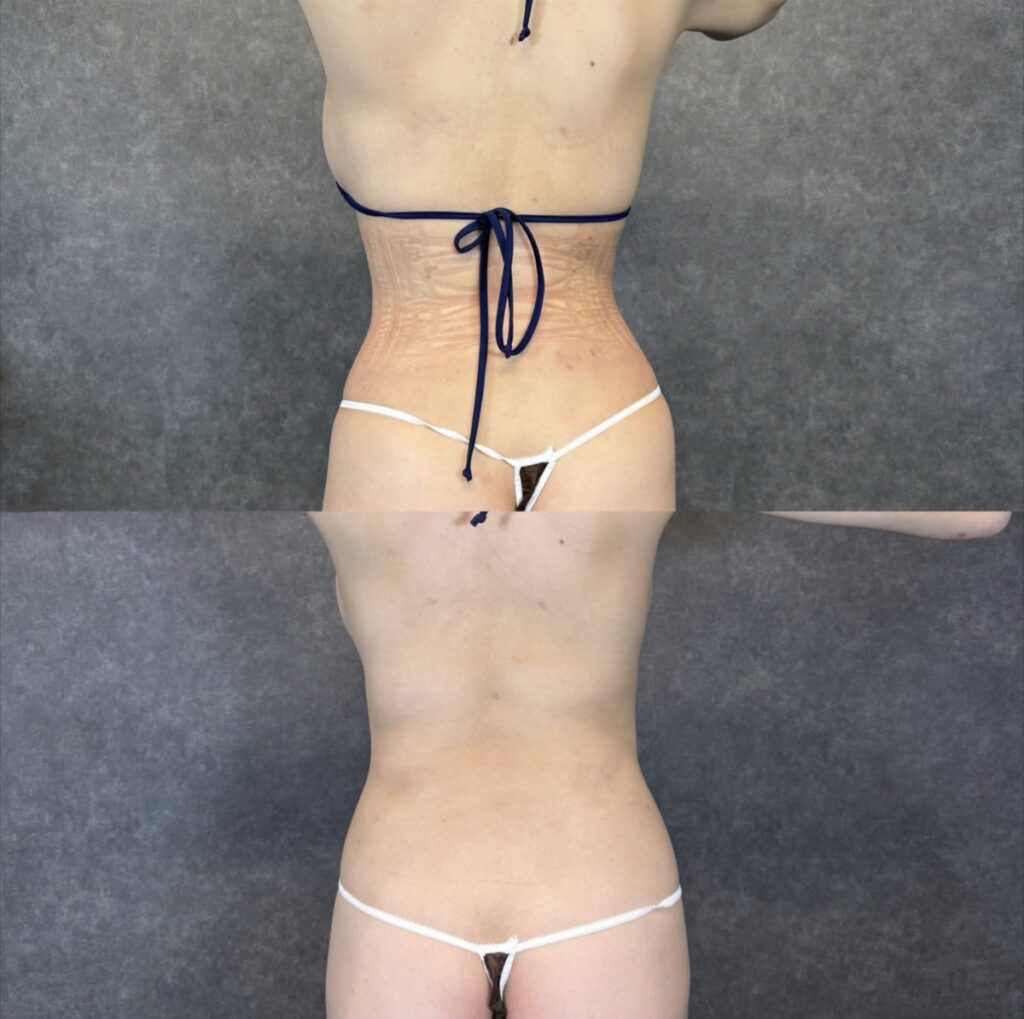
In recent years, Rib Remodeling Surgery has gained attention internationally as an advanced body contouring procedure. When combined with liposuction, it may further enhance the waistline and overall body proportions in carefully selected patients.
In this article, we explain what Rib Remodeling Surgery is, how it differs from liposuction, and who may benefit from this procedure.
What Is Rib Remodeling Surgery?
Rib Remodeling Surgery is a body contouring procedure designed to create a slimmer waist by modifying the angle of the lower ribs.
Unlike liposuction, which removes excess subcutaneous fat, this procedure addresses the underlying skeletal framework to improve the appearance of the waist.
Because of this, Rib Remodeling Surgery may be considered for patients who:
- Want additional waist definition after liposuction
- Already have relatively low body fat
- Desire a more pronounced hourglass figure
- Are looking for comprehensive body contouring beyond fat removal alone
A Minimally Invasive Procedure
The procedure is performed through very small incisions, approximately the size of a needle puncture.
Through these tiny openings, the surgeon carefully accesses the lower ribs and adjusts their angle to create a narrower waistline.
As healing progresses, the scars typically become very subtle, and in many patients they are barely noticeable several months after surgery.
How Is It Different from Liposuction?
Although both procedures improve body contours, they work in different ways.
Liposuction
- Removes excess fat
- Improves body contour
- Reduces localized fat deposits
Rib Remodeling Surgery
- Modifies the skeletal framework
- Enhances waist definition
- Addresses anatomical factors that cannot be changed by fat removal alone
Rather than competing treatments, these procedures often complement one another.
Who May Benefit?
Some patients are satisfied with their liposuction results but wish to achieve an even more defined waist.
In these cases, the limitation may not be body fat, but rather the natural width and shape of the rib cage.
Patients who may benefit include those who:
- Have already undergone liposuction
- Have relatively low body fat
- Have a naturally wider rib cage
- Desire a more sculpted body silhouette
The AVAN TOKYO Philosophy
At AVAN TOKYO, body contouring is about much more than removing fat.
We evaluate the skeletal structure, muscle definition, fat distribution, and skin quality of every patient before recommending treatment.
Some patients achieve excellent results with liposuction alone, while others may benefit from combining liposuction with Rib Remodeling Surgery.
Our goal is always to create natural, harmonious body proportions tailored to each individual.
Summary
Rib Remodeling Surgery offers a new approach to body contouring by addressing the skeletal anatomy rather than fat alone.
For selected patients, it may further enhance waist definition beyond what can be achieved with liposuction.
At AVAN TOKYO, we believe the most beautiful body contours are created by considering the entire silhouette—not just one area of the body.
Risks and Potential Complications
Potential risks include swelling, bruising, pain, temporary discomfort, scarring, asymmetry, infection, hematoma, temporary nerve symptoms, discomfort during movement, and the possibility that results vary depending on individual anatomy and healing. Treatment recommendations are individualized following a comprehensive consultation and medical evaluation.
Medical Disclaimer
This article is intended for medical education and patient education purposes only. Treatment plans are individualized and determined after a thorough consultation and clinical assessment.