


Fat Survival Is Not “Engraftment,” but “Revascularization”2026.04.14
— The True Mechanism of Fat Transfer Breast Augmentation —
“How much of the fat survives?”
This is one of the most common questions.
However, as a physician, I would emphasize:
The concept of “survival rate” alone does not fully explain the mechanism.
The true essence is:
Not whether fat survives,
but whether blood circulation is re-established.
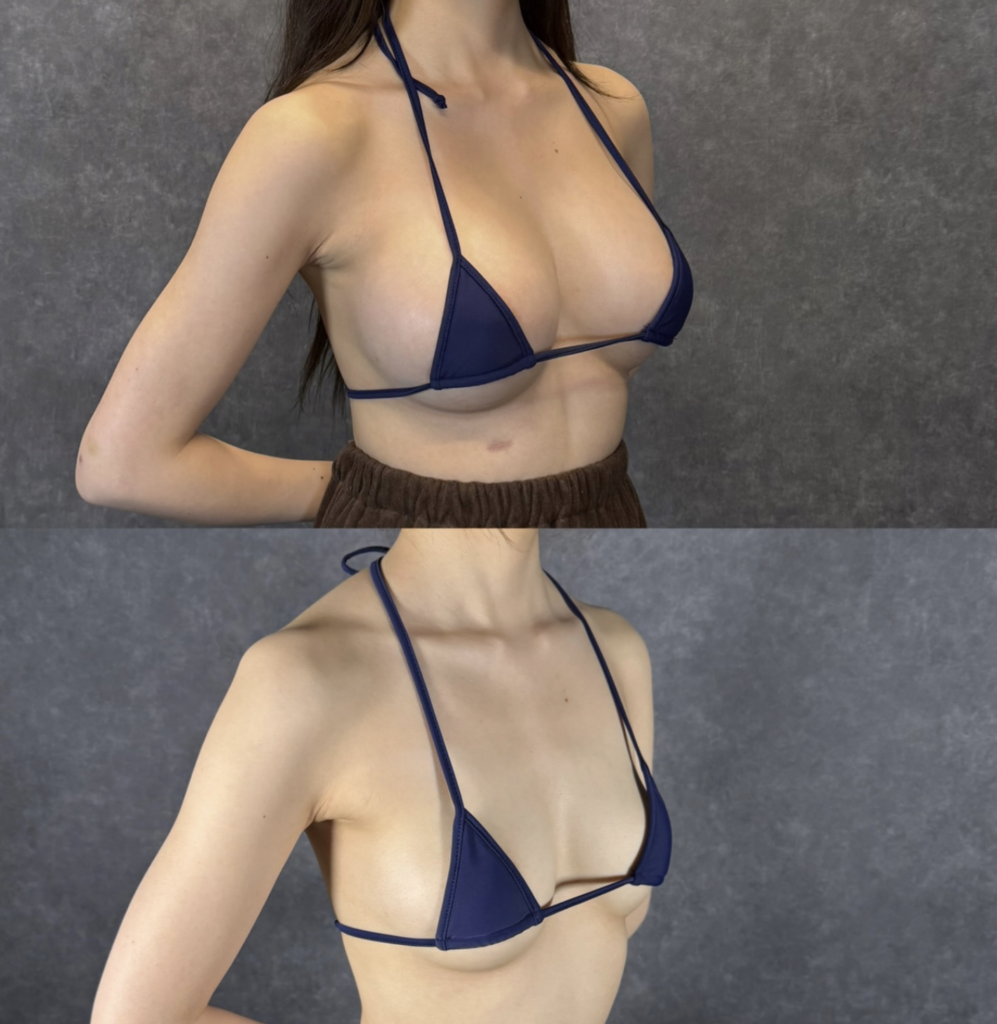
1. Transferred fat does not simply “survive”
After injection:
- Some fat cells undergo necrosis
- Some are absorbed
In other words:
100% survival is impossible.
So why does some fat remain?
2. The key is angiogenesis
Whether fat remains depends on:
how well new blood vessels form.
- Capillaries grow into the graft
- Oxygen and nutrients are supplied
- Fat cells are maintained
This process is called:
revascularization.
3. Injection technique determines outcomes
Blood supply has a limited diffusion distance.
Therefore, fat must be injected:
- In small amounts
- In multiple layers
- Evenly distributed
This ensures:
all grafted fat has access to blood supply.
4. Large-volume clumps lead to necrosis
If fat is injected:
- In large volumes
- In one location
then:
- The center lacks blood supply
- Necrosis occurs
- Oil cysts or lumps may form
Thus:
distribution matters more than volume.
5. Postoperative care affects circulation
Fat survival depends not only on surgery,
but also on:
postoperative blood flow.
Important factors:
- No smoking
- Proper nutrition
- Adequate rest
These support:
angiogenesis and tissue integration.
Summary
The essence of fat transfer is:
- Not survival rate
- But revascularization
Results depend on:
- Injection technique
- Distribution design
- Postoperative circulation
In other words:
This is not a procedure of “adding fat,”
but one of “designing circulation.”
AVAN TOKYO Fat Grafting
At AVAN TOKYO, we focus on:
- Micro-fat injection
- Multi-layer distribution
- Optimized circulation through combined liposuction
We aim not for maximum survival, but:
the most natural and beautiful long-term result.
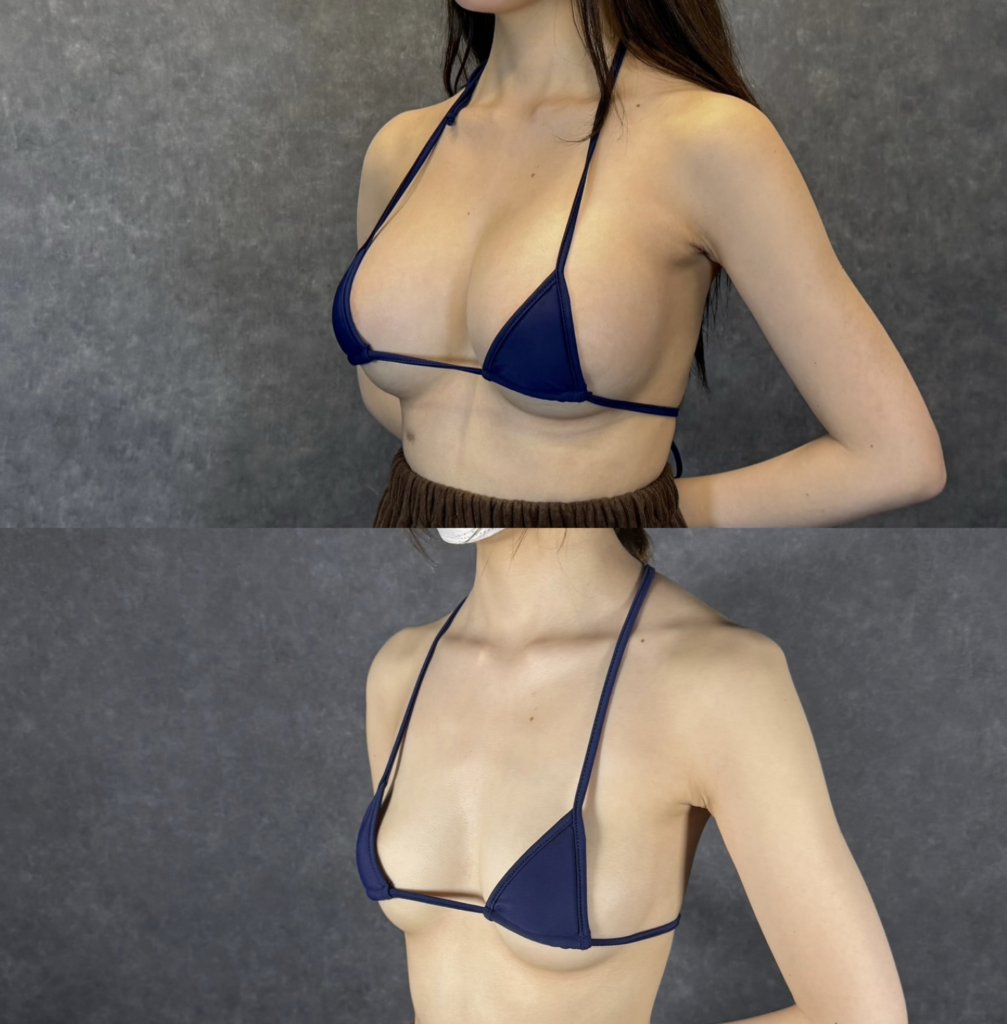
Fat is not simply preserved—
it is cultivated.
📍AVAN TOKYO GINZA LIPOSUCTION CLINIC
International patients welcome (English / 中文 / Tiếng Việt)
Contact via DM / LINE / Website / Phone