


Why Is Male Liposuction Different from Female Liposuction? A Physician Explains the Fibrous Density of Subcutaneous Fat2026.07.05
Male liposuction has been growing rapidly in demand as male aesthetic awareness has risen. However, its level of difficulty and design philosophy differ significantly from female liposuction. Male subcutaneous fat is denser in fibrous content and firmer, and its layer structure and skin properties vary by region, so applying a female-oriented design directly often produces uneven results. In this column, Dr. Shin Moriwaki of AVAN TOKYO GINZA LIPOSUCTION CLINIC explains, from a medical standpoint, the unique characteristics of male fatty tissue and the design principles that lead to a successful male liposuction outcome.
Key Points of This Article
・Male liposuction faces greater tissue resistance because male fat contains more fibrous components; device selection greatly affects the outcome
・Design must match male-specific fat accumulation patterns—chest (gynecomastia), abdomen, flanks, and submental area
・The goal is not simply “getting thinner” but sculpting shadows that reveal muscular lines
・Skin elasticity and collagen density differ from women; excessive removal easily unmasks skin laxity
・Higher smoking rates and lifestyle differences make strict preoperative preparation and downtime management even more important than in female cases
How Male and Female Subcutaneous Fat Differ in Quality
The main reason male liposuction cannot be approached the same way as female liposuction is the difference in the subcutaneous fat itself. Male subcutaneous fat contains more collagen and other fibrous components than female fat, and the fat cells are bound more tightly, producing a firm, so-called “fibrous fat” character. This is not merely a difference in tactile impression; it affects cannula-passage resistance, bleeding, and tissue damage throughout the procedure.
While female subcutaneous fat follows the cannula as a relatively uniform layer, male fat is harder to enter and harder to detach. Energy-assisted devices such as power-assisted liposuction (PAL) or VASER therefore become major stabilizing factors for male liposuction results. Device selection and the design of suction trajectories essentially determine the quality of the outcome.
Region-Specific Design Points for Male Liposuction
Abdomen and Flanks
Male abdominal fat often forms a thick band from the upper abdomen through the flanks, continuing past the belt line into the lumbar area. Applying a female “waist-curve design” directly to a male body erases the straight, masculine trunk silhouette and creates unnatural curves. The core of the design is how to bring out the vertical lines of the rectus abdominis and the oblique lines of the external oblique. Suction paths must be planned as “shadow design” rather than uniform surface reduction.
Chest (Including Gynecomastia)
Male chest fullness caused by combined fat and glandular tissue—gynecomastia—is a classic case where liposuction alone cannot flatten the chest. Glandular tissue is strongly fibrous and cannot be adequately reduced with a suction cannula, so glandular excision may be needed depending on the case. When a patient wants a flat chest, the key to a good result is first distinguishing whether the volume is mainly fat or mainly gland—through palpation and imaging—and planning the procedures accordingly.
Submental Area and Jawline
Male submental fat sits under thicker skin with higher collagen density, so post-op contraction tends to be stronger than in women. Robust skin tightens well after surgery, but excessive suction easily creates step deformities or contour irregularities. A useful strategy for male liposuction of this area is to intentionally leave a thin layer of fat and let the overall tension of the subcutaneous tissue reveal the jawline.
Male Liposuction Also Has a Different Downtime
Compared with women, male skin has thicker, more densely arranged collagen fibers, so postoperative contraction—the temporary hardening and lumpiness at the skin–fat interface—tends to last longer. This is not a healing abnormality; it is the physiological process by which skin and fat layer re-adhere as a single unit. Individual variation exists, but it is not unusual for the peak of contraction to arrive 2 to 4 weeks later than in women.
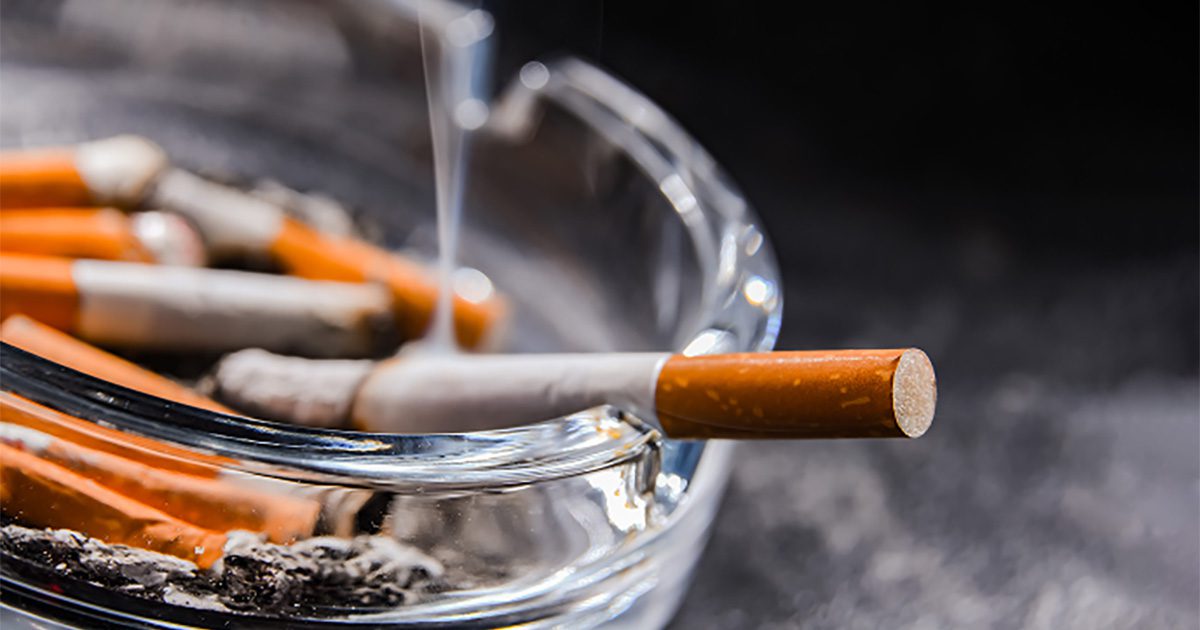
Higher smoking rates directly affect blood flow and wound healing, so preoperative smoking cessation must be enforced even more strictly than in women’s cases. To avoid skin necrosis, delayed healing, and worsened contraction, complete cessation 2 to 4 weeks before surgery is the standard. For safety standards in aesthetic surgery, refer to the guidelines of the Japan Society of Aesthetic Surgery.
The Design Philosophy That Makes Male Liposuction Successful
Simply making the body thinner is not the goal. The essence of a successful male result is creating “muscular shadows” that reveal the outline of the rectus abdominis, external oblique, and pectoralis. If the subcutaneous fat is thinned uniformly, three-dimensionality is lost, producing a “flatly slim” appearance. What to leave matters as much as what to remove; this “sculpting” mindset is essential.
To assess skin laxity risk, more than age and BMI are needed. A pinch-test measurement of subcutaneous thickness and elasticity is essential. In patients with weaker skin elasticity, intentionally preserving the superficial layer and maximizing contraction potential prevents post-op laxity. Please also see our liposuction column index for related articles.
Frequently Asked Questions
Q. Is male liposuction more painful than female liposuction?
Because male subcutaneous fat is dense with fibrous tissue and firmer, intraoperative tissue resistance is greater, and post-op muscle-soreness-like pain or tightness tends to last a little longer. However, with today’s advanced tumescent anesthesia design and postoperative pain management, cases of severe, days-long unbearable pain are rare.
Q. Are the same cannula diameters used for men and women?
Because male liposuction deals with a firm, highly fibrous fat layer, a slightly larger cannula is generally used for the main suction. However, a fine-diameter cannula is combined for surface finishing—”take volume with the larger diameter, refine the surface with the smaller”—which is essential for preventing surface irregularities.
Q. Can gynecomastia be treated with liposuction alone?
If the volume is predominantly fat, liposuction alone can improve it. However, when the glandular component is strong, liposuction alone will not flatten the chest, and glandular excision is required. It is essential to evaluate the composition through palpation and imaging first, then choose the appropriate procedure.
Q. When can I resume weight training after surgery?
Light walking is fine from the next day, but strength training that raises intra-abdominal pressure, and high-load exercise in general, should be resumed gradually after 3 to 4 weeks, once swelling and compression have settled. Returning too soon prolongs bruising and swelling.
Q. Can smokers undergo male liposuction?
Smoking significantly reduces blood flow and raises the risk of skin necrosis, delayed healing, and worsened contraction. We strongly recommend complete cessation for 2 to 4 weeks before surgery, and if the risk cannot be tolerated, we may decline to perform the procedure.
──────────────
Medical Supervisor: Shin Moriwaki, MD
Member, Japan Society of Aesthetic Surgery (JSAS)
Member, American Academy of Aesthetic Medicine
ECFMG Certificate
──────────────
📍AVAN TOKYO GINZA LIPOSUCTION CLINIC
English / 中文 / Tiếng Việt available
Reservations and consultations:
DM / LINE / Website / Phone