


Why Liposuction Is So Difficult on Thin-Skinned Patients | A Surgeon Explains Design Strategy for the Asian Thin-Skin Type2026.06.24
Liposuction on thin-skinned patients is dramatically more difficult than typical cases. Asian women, especially those who are slim or fair-skinned, often have thinner subcutaneous tissue and dermis. Even a small difference in suction depth or a slight inconsistency in technique can show on the surface as waviness or pigmentation. This column explains why liposuction on thin-skinned patients is medically challenging and outlines the three-dimensional design principles AVAN TOKYO applies, from a plastic surgical perspective.
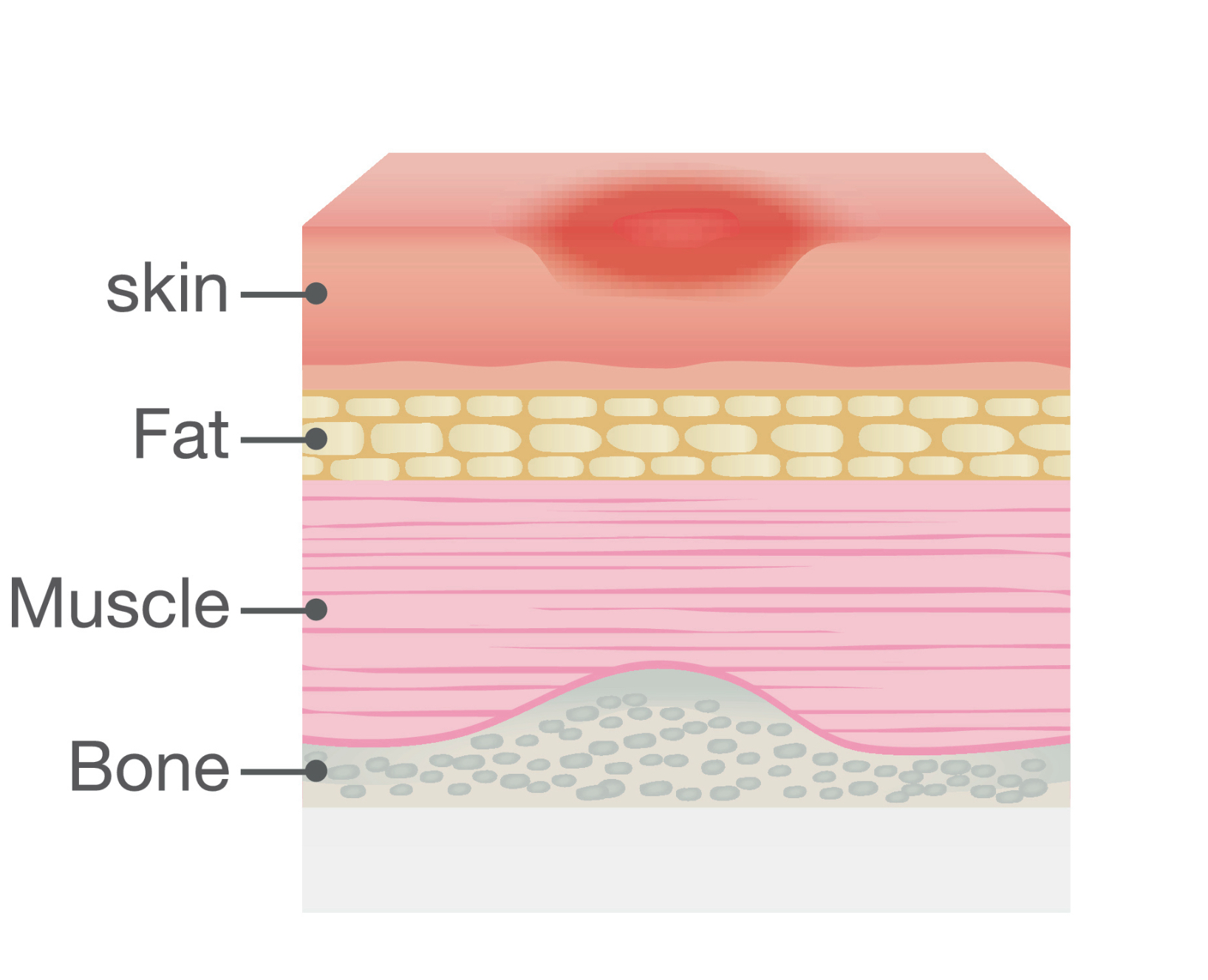
Skin Thickness Varies Hugely Between Individuals
Skin consists of the epidermis, dermis, and subcutaneous fat layer. The thickness of these three layers varies widely between individuals and may differ by more than twofold even at the same anatomical site. In areas where the subcutaneous fat layer is naturally thin, such as the upper arms and abdomen, a dense network of capillaries runs immediately beneath the dermis. In thin-skin patients, the vessels are packed closer together, which structurally predisposes them to more pronounced bruising and swelling.
What the “Thin-Skin Type” Means in Asian Women
The “thin-skin type” common in Asian women refers to bodies with a dermal thickness around 1.0 mm, less superficial fat, and most of the subcutaneous fat located in the deep layer. Compared to Western patients, the intrinsic strength of the dermis (collagen density) also tends to be lower, leading to greater individual variation in post-operative skin contraction. This tendency is especially pronounced in patients with fair, translucent skin.
The Medical Reasons Liposuction on Thin-Skinned Patients Is Difficult
During liposuction on thin-skinned patients, the smallest unevenness in suction shows up on the surface as waviness. The thinner the subcutaneous fat, the closer the cannula travels to the underside of the dermis, so depth control must be accurate to within millimeters. Inexperienced surgeons frequently misjudge these layer differences and create irregularities.
Why Surface Irregularities Appear
The root cause of irregularities is rarely incomplete suction. Instead, they come from uneven reduction of the superficial fat layer. Thin-skinned patients have little superficial fat to begin with, so over-treating this layer can produce sudden depressions. Safe results require a “layer-by-layer” technique that preserves the superficial layer and removes the middle layer evenly.
Why Post-Op Fibrosis Telegraphs Through Thin Skin
All patients experience fibrosis (contracture) after liposuction, but in thin-skinned patients this fibrotic irregularity transmits more directly to the surface, prolonging hardness and visible steps for three to six months. This is part of normal healing rather than a complication, but post-operative massage and compression management dramatically affect long-term outcomes.
Design Principles for Liposuction on Thin-Skinned Patients
The most important question in liposuction on thin-skinned patients is not “how much do we remove” but “which layer do we preserve.” This is why liposuction on thin-skinned patients is treated as a separate planning category at our clinic. At AVAN TOKYO, we assess skin thickness with ultrasound before surgery and design the fat volume and suction layers to preserve for each individual case before entering the operating room.
Suctioning by Plane, Not by Line
Rather than aggressively suctioning along a single line, we work across a fan-shaped plane, thinning fat evenly. This prevents waviness and step deformities. The principle becomes even more critical when energy devices such as VASER or AcuSculpt are used, since excessive energy applied directly beneath thin skin can cause burns and pigmentation.
The Technique of Preserving the Superficial Layer
In cases with thin skin, we deliberately leave the superficial fat within the 5 mm zone beneath the dermis. This layer carries the dermal vasculature and acts as supporting tissue for the skin. Over-suctioning here dramatically increases the risk of skin necrosis and pigmentation. The correct mindset is not “this patient cannot achieve a sculpted look” but rather “this patient should not be over-sculpted,” and this understanding protects long-term aesthetic outcomes.
Downtime Considerations
In the recovery phase of liposuction on thin-skinned patients, prolonged edema and fixed irregularities when post-operative compression is inadequate, so we extend the prescribed wear time of girdles and compression sleeves beyond standard protocols. Smokers experience further reductions in dermal blood flow and a higher rate of skin complications and pigmentation, so we strongly request smoking cessation before and after surgery. Nutritional status, particularly protein and iron intake, is also a major determinant of skin recovery speed.
For reference on cosmetic surgery safety standards, see the Japan Society of Aesthetic Surgery.
Liposuction on thin-skinned patients is a procedure whose long-term result depends heavily on the surgeon’s technical choices and the quality of post-operative care. If you suspect your own skin may be thin, we strongly recommend asking for a quantitative measurement of skin thickness during consultation. For more related content, please see our liposuction column archive, where additional articles on thin-skin cases are also available.
──────────────
Supervising Physician: Shin Moriwaki, MD
Member, Japan Society of Aesthetic Surgery (JSAS) / Member, American Academy of Aesthetic Medicine
ECFMG Certificate
──────────────
📍AVAN TOKYO GINZA LIPOSUCTION CLINIC
English / 中文 / Tiếng Việt available
Reservations and consultations are accepted via
DM / LINE / Website / Phone.