


Liposuction Changes the Number of Fat Cells. The Science Behind Why It Resists Rebound2026.04.29
Many people feel frustrated by the endless cycle of losing weight through dieting, only to gain it back shortly after.
You restrict your diet, commit to exercise, and yet — before long, the weight returns.
Repeating this experience over and over can cause many people to lose confidence in their ability to manage their own body.
But rebound weight gain has a clear biological mechanism.
By understanding that mechanism, we can explain scientifically why liposuction is associated with significantly fewer rebounds.
The Structure and Role of Fat Cells
Fat cells, known as adipocytes, are specialized cells designed to store excess energy in the form of triglycerides.
An adult human body is estimated to contain approximately 15 to 30 billion fat cells.
When caloric intake exceeds energy expenditure, the surplus is converted into triglycerides and absorbed into fat cells, causing them to expand.
Conversely, when caloric intake falls below energy needs, stored triglycerides are released as fuel and cells shrink.
This cycle of expansion and contraction is the fundamental mechanism behind weight gain and loss.
What matters most is that the number of fat cells does not change throughout this process.
When you lose weight through dieting, what actually happens is that each individual cell shrinks — the cells themselves do not disappear.
After adulthood, the number of fat cells remains essentially fixed (with the exception of extreme obesity) and cannot be reduced through diet or exercise alone.
This is the core reason why dieting has inherent, unavoidable limitations.
The Scientific Reason Behind Repeated Rebounds
Because the number of fat cells never decreases, the shrunken cells are always ready to expand again.
The moment food intake increases or metabolism slows, those cells begin reabsorbing triglycerides.
That is the true nature of rebound weight gain.
An additional complicating factor is the metabolic slowdown that occurs during caloric restriction.
The body interprets prolonged caloric deficit as a survival threat and adapts by reducing energy expenditure.
With a lower basal metabolic rate, consuming the same number of calories as before dieting can lead to weight gain.
This is why many people gain weight simply by returning to their normal eating habits after a diet ends.
As long as the number of fat cells remains unchanged, escaping this cycle is extremely difficult.
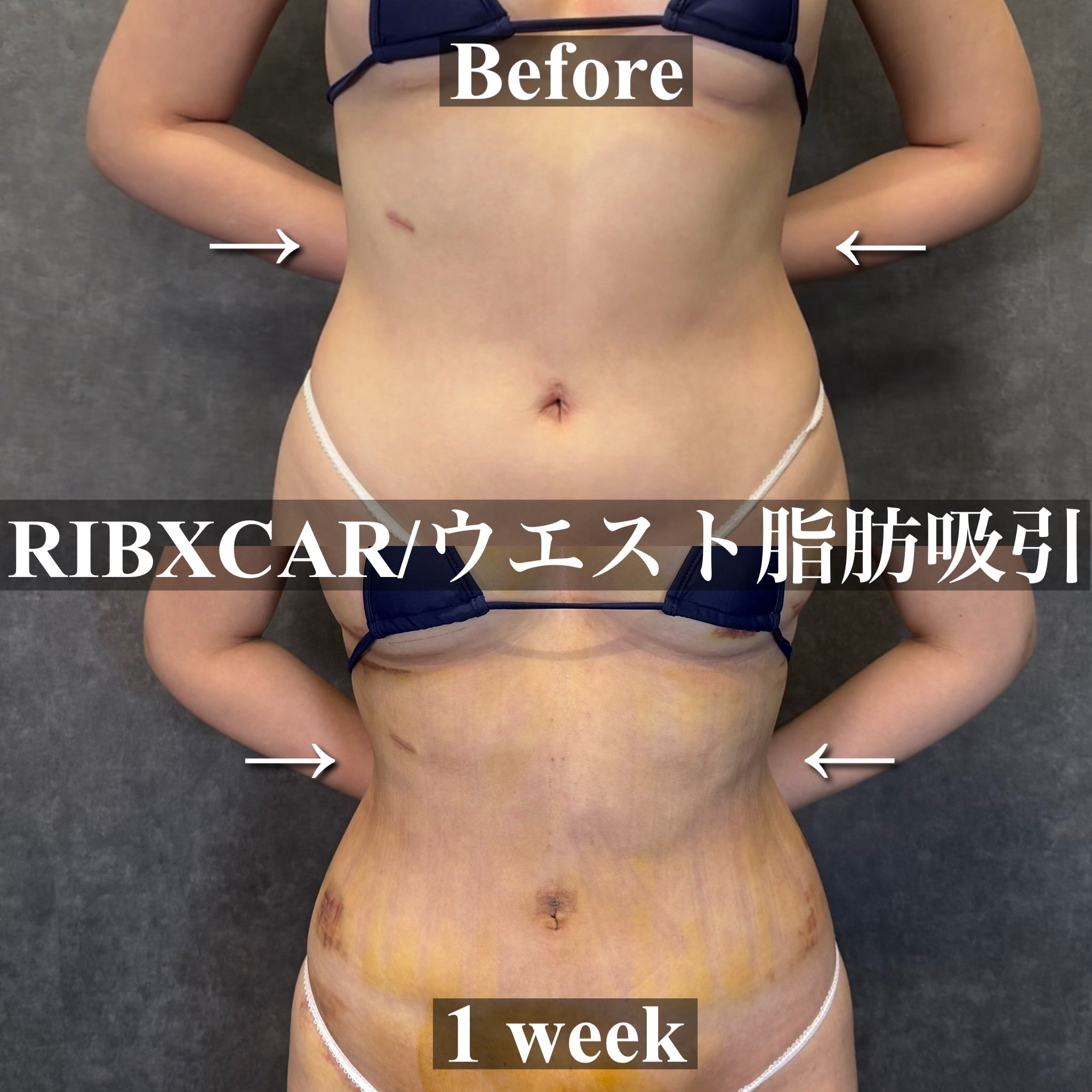
Why Liposuction Is the Only Method That Can Reduce Fat Cell Count
Liposuction is a medical procedure in which a thin cannula is inserted beneath the skin to physically remove subcutaneous fat cells from the body.
The removed fat cells do not regenerate.
While dieting shrinks the size of fat cells, liposuction actually reduces the number of fat cells — a fundamentally different approach.
Once fat cells in a treated area are physically removed, reaccumulation of fat in that specific zone becomes far less likely.
Even if overall body weight increases afterward, the treated area — with its reduced cell count — remains less prone to re-expansion compared to untreated areas.
This is the scientific basis for the well-known claim that liposuction is more rebound-resistant than dieting.
What Happens If Weight Increases After the Procedure
Liposuction is not a procedure that allows you to eat freely without gaining weight.
If body weight increases after surgery, excess energy will be stored in the fat cells that remain throughout the body.
Because the treated area has fewer fat cells, body fat tends to redistribute more toward untreated areas.
This is not a sign of failure — it reflects the fact that the treated area has become a zone that is less prone to fat accumulation.
Maintaining a healthy diet and lifestyle after surgery will preserve the silhouette achieved through the procedure over the long term.
In this sense, liposuction also serves as a foundation that supports healthier habits going forward.
Who Benefits Most From Liposuction, and Where
Liposuction is particularly effective as a long-term body-shaping solution for people with stubborn, localized fat that resists diet and exercise.
・Those who have dieted repeatedly but cannot change specific areas of their body
・Those at a normal weight who are bothered by their overall silhouette
・Those concerned about areas prone to fat accumulation due to female hormones — upper arms, abdomen, thighs, and buttocks
These areas are predisposed to subcutaneous fat accumulation due to estrogen, making them especially difficult to address through dietary restriction alone.
By directly removing fat cells from these areas, liposuction can provide a fundamental and lasting improvement in body shape.
Beyond simple slimming, liposuction is also a contouring technique.
By designing the treatment three-dimensionally — from the front, sides, and rear — skilled surgeons can create a naturally beautiful silhouette that emphasizes curves rather than simply reducing volume.
Liposuction functions not as weight management, but as shape management — making it a meaningful and lasting solution for many people.
📍AVAN TOKYO Ginza Liposuction Clinic
AVAN TOKYO GINZA LIPOSUCTION CLINIC
English / 中文 / Tiếng Việt Available
For reservations and consultations:
DM / LINE / Website / Phone