


Liposuction Fibrosis Is Not a Failure: A Doctor’s Guide to the Necessary Healing Process2026.05.29
Introduction — Liposuction Fibrosis Is Not a “Failure”
When the skin feels hard or develops bumpy irregularities after liposuction, many patients worry that the procedure has failed. However, this firmness and unevenness is a normal healing response known in medicine as “fibrosis” (or contracture), and it is not a failure at all. On the contrary, liposuction fibrosis is an essential process for completing a beautiful body line.
In this article, supervised by AVAN TOKYO Ginza Liposuction Clinic, we explain in clear medical terms how this fibrosis develops, how it changes over time, the self-care that helps it soften, and the behaviors you should avoid.
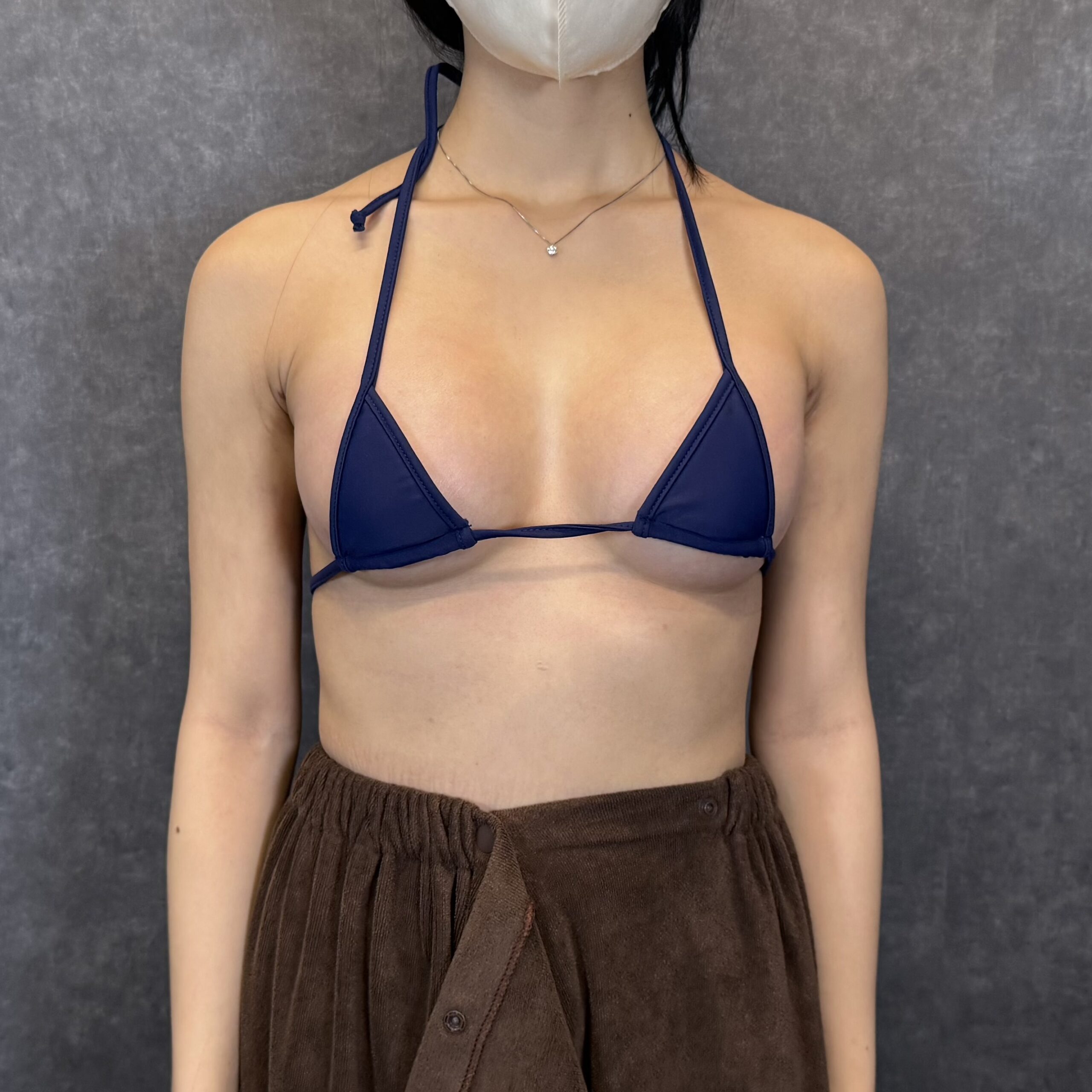
What Is Liposuction Fibrosis? Understanding the Medical Mechanism
Why Tissues Harden After Liposuction
During liposuction, a thin cannula is inserted into the subcutaneous fat layer to physically remove fat cells. This process also causes microscopic injury to the connective tissue and capillaries surrounding the fat. To repair this damage, the body rapidly produces collagen fibers. This wound-healing response is the true nature of fibrosis.
Fibrosis and the Remodeling Process
The collagen fibers produced during repair are initially immature and densely packed, working to tighten the entire tissue. This is what temporarily makes the skin firm or wavy. Over time, these fibers are remodeled into a soft, natural texture. It is a normal post-surgical course that all surgical tissues must go through.
Why Liposuction Fibrosis Is “Necessary for a Beautiful Line”
When fat is removed, the treated area loses significant volume. If the skin and surrounding tissues stayed exactly as they were, the skin would sag and look loose. This is where fibrosis comes in. During this process the skin tightens from within and shrinks tightly to match the reduced volume, producing a smooth and beautiful contour without sagging.
In other words, liposuction fibrosis is essentially a “skin-lifting function” — a critical healing response. When fibrosis develops properly, a sharp and refined silhouette completes itself over three to six months after surgery.
How Fibrosis Changes Over Time
0 to 2 Weeks Post-Op: Swelling + Early Fibrosis
In this period swelling and early fibrosis overlap, making the area feel its thickest and firmest. Anxiety often peaks here, but medically this is entirely normal.
1 to 3 Months: Peak Fibrosis
As swelling subsides, fibrosis becomes more pronounced. You may feel skin tightness, firmness when pressed, and discomfort when sitting or raising your arms. Visible bumps or lines may appear in the mirror, but they are a sign that healing is at its most active, and they will subside within roughly six months.
3 to 6 Months: Softening Phase
Fiber remodeling progresses, tissues gradually soften, and the smooth texture returns. The body line enters its sharpest visible phase — and looking in the mirror becomes enjoyable.
6 Months to 1 Year: Completion Phase
This is when the final result is fully realized. At AVAN TOKYO, both intraoperative design and postoperative monitoring are valued equally to maximize the beauty of this completion phase.
Self-Care to Soften Liposuction Fibrosis
Medically grounded, consistent care is key to softening fibrosis quickly.
– Massage: Begin gently after 2 to 3 weeks and only with your doctor’s approval. Too much pressure is counterproductive.
– Warm baths and heat therapy: Improve blood flow and assist fiber remodeling.
– Compression garments: Wear prescribed garments for the specified duration without skipping.
– Walking and light exercise: Encourages blood and lymphatic circulation, improving both swelling and fibrosis.
– Hydration and protein intake: Provide the nutrients required for tissue repair.
With steady, consistent care, patients can positively influence how their fibrosis progresses.
Behaviors That Worsen Fibrosis
– Aggressive self-massage (damages capillaries and worsens bruising and fibrosis)
– Strenuous exercise or weight training too early
– Smoking (impairs circulation and slows wound healing)
– Severe dietary restriction leading to nutritional deficiency
– Stopping compression garments on your own judgment
Smoking in particular significantly worsens the course of liposuction fibrosis, and abstaining before and after surgery is strongly recommended. For safety standards in aesthetic surgery, please also refer to the Japan Society of Aesthetic Surgery.
AVAN TOKYO’s View of an “Ideal Fibrosis Course”
At AVAN TOKYO Ginza Liposuction Clinic, we explain fibrosis carefully as a “process that creates beauty,” not as a failure, and provide individualized aftercare. By combining medical evidence with an artistic perspective in every step — from intraoperative design to postoperative follow-up — we deliver natural and refined body lines.
We believe that an environment where you can consult us whenever you feel anxious is the key to confidently moving through the liposuction fibrosis period. For more articles, please visit the list of related liposuction columns here.
──────────────
Medical Supervisor: Shin Moriwaki, MD
Member, Japan Society of Aesthetic Surgery (JSAS)
Member, American Academy of Aesthetic Medicine
ECFMG Certificate
──────────────
📍AVAN TOKYO GINZA LIPOSUCTION CLINIC
English / 中文 / Tiếng Việt supported
For appointments and consultations,
please contact us via DM / LINE / Website / Phone.