



After a stem cell conditioned media joint injection to the shoulder or elbow, when and how should the response be judged? Dr. Moriwaki maps out when to continue, modify, or return to orthopedic re-evaluation2026.07.16
After receiving a stem cell conditioned media joint injection in the shoulder or elbow, many patients find themselves wondering, “The pain is a bit better, but is this on track?” or “How many more sessions should I do?” A joint injection is not a “one-and-done” procedure. Deciding when and by which metrics to judge the response, and how to pivot if the response is poor, must be part of the treatment design from the start. In this article, Dr. Moriwaki walks through the timeline of how shoulder and elbow tendons and joints respond, and lays out the framework for deciding whether to continue, modify, or return to an orthopedic re-evaluation.
Key points of this article
・For a stem cell conditioned media joint injection to the shoulder or elbow, response should be judged at three checkpoints: “2–4 weeks after the first session,” “the 3-month mark,” and “end of the induction phase.”
・Record a numerical pain score (NRS/VAS) side by side with range of motion and daily activities — do not let impressions alone skew the evaluation.
・Assume the response may lag until the 2nd or 3rd session; do not decide to continue or stop based on a single session’s impression.
・When the response is poor, work through the sequence: “reassess the target layer,” “revisit frequency and number of sessions,” “return to orthopedic re-evaluation.”
・A joint injection is not a treatment that guarantees results; proceed with a shared framework that acknowledges individual variability and limits.
What are we actually measuring when we measure the “effect” of a shoulder or elbow joint injection?
Whether the pain has eased is the most tangible indicator for the patient. But for a shoulder or elbow joint injection, pain is not the only thing to evaluate. A multidimensional assessment is needed — including stiffness (range of motion), daily activities (dressing, washing the hair, turning a doorknob), flare-ups under load, and the presence of night pain. Judging by a single yardstick risks overlooking real improvements on one axis or missing warning signs of deterioration on another.
Put pain on a numeric scale (NRS/VAS)
Because pain is subjective, it cannot be compared unless it is quantified. Use the NRS (0 = no pain, 10 = worst imaginable) or a VAS (a mark on a 10 cm line), and record resting pain, pain during motion, and night pain separately. “It feels a bit better” is too vague; “motion pain dropped from 7 to 4” makes the change before and after treatment far clearer.
Read range of motion and daily activities side by side
The shoulder and elbow are joints where mobility is the lifeline. If the pain is gone but the arm still won’t lift, quality of daily life has not returned. In addition to measuring flexion, abduction, and rotation angles during exams, use household benchmarks like “can you reach the back of your head?” or “can you slip your arm behind you into a jacket?” to track change over time. For information on joint conditions, refer also to the Japanese Orthopaedic Association website.
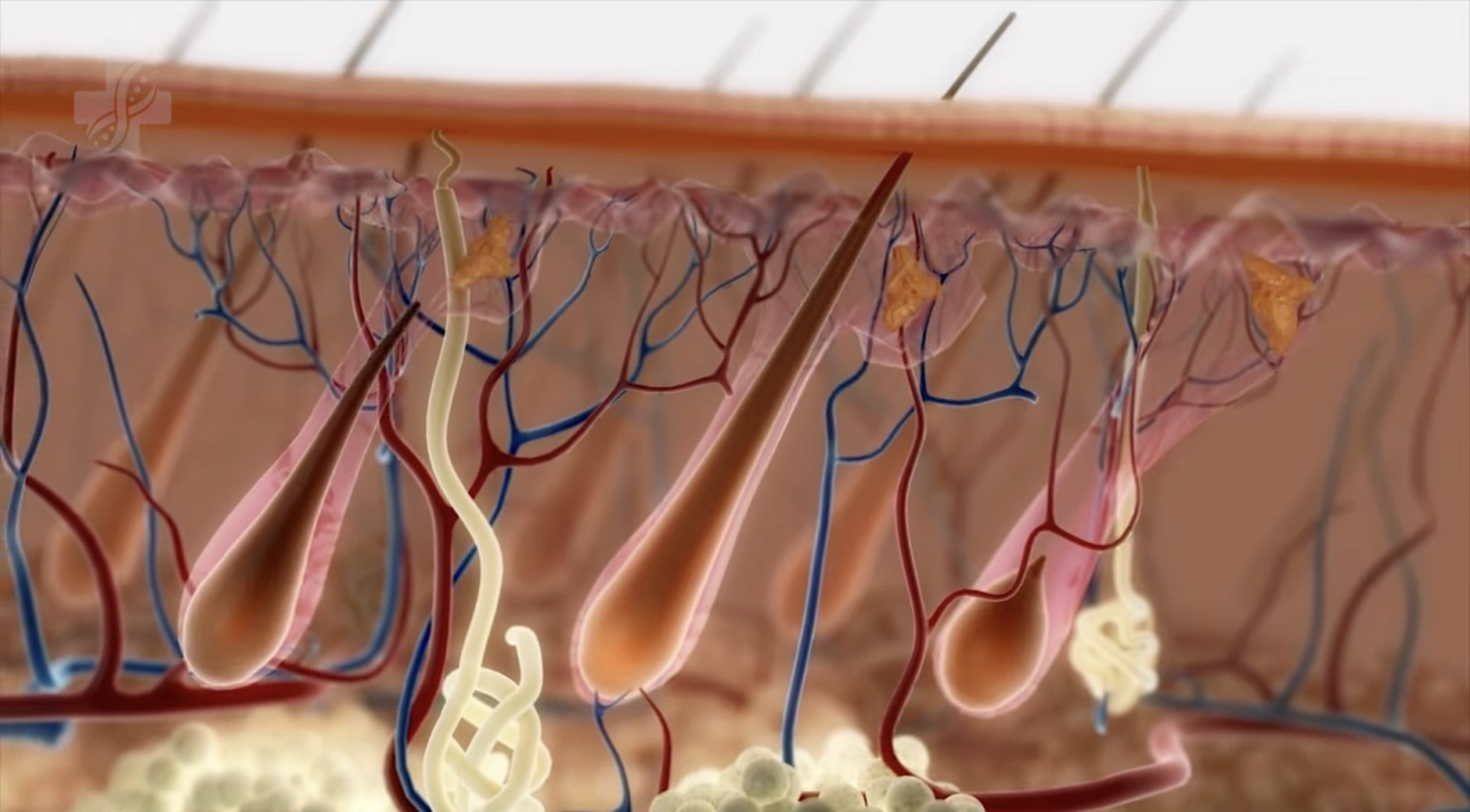
The timeline of how shoulder and elbow tendons and ligaments respond
The speed of the response to a joint injection depends on the tissue being targeted. For synovial or bursal inflammation, pain often changes within 1–2 weeks after the injection. On the other hand, when targeting tendon insertions or capsular degeneration — tissues that are degeneration-dominant and poorly vascularized — it can take several weeks to a few months before the repair environment begins to move. If this difference in timeline is not shared at the first visit, patients tend to conclude too early that “it isn’t working.”
Some things move in weeks, some in months
Inflammation-dominant conditions such as subacromial bursitis or the inflammatory phase of frozen shoulder tend to show earlier drops in pain score. In contrast, conditions where “tissue repair is being awaited” — like partial rotator cuff tears or the tendinosis of lateral epicondylitis — move more gradually over 2–3 months. Even within the shoulder and elbow, the timeline shifts depending on which layer is targeted, and this needs to be shared before treatment starts.
Don’t rush the judgment through the 2nd or 3rd session
Expecting a dramatic change after the first session and stopping when the response falls short — this is a common misjudgment. A comprehensive review after 2–3 induction sessions performed at a set interval is the first real checkpoint for whether the treatment is a fit. “Do not decide to continue or stop based on a single session’s impression” is a key premise of this therapy.
Deciding to continue, modify, or re-evaluate when the response is poor
When the response remains poor even after the induction phase, the answer is not to blindly add sessions, but to break down where the bottleneck lies.
Signs it is fine to continue
A slow but steady decline in the pain score, range of motion widening even by a few degrees, night pain easing and sleep quality returning — these are signs that the response is likely to accumulate over time. It is the moment to shift into the maintenance phase and observe with wider intervals.
When to modify the protocol
It is not uncommon that the injection was delivered into the subacromial bursa, when in fact the tendon insertion was the primary pain generator. Reassigning the target layer under ultrasound guidance, or shifting the weighting toward exercise therapy and stretching, can change the response. See also more about stem cell conditioned media joint injections here.
When to step back to orthopedic re-evaluation
If signs like worsening night pain, loss of strength, sudden decline in range of motion, or numbness appear, suspect a full-thickness rotator cuff tear, neurological involvement, or other structural pathology, and return to orthopedic imaging re-evaluation (MRI, ultrasound). It is not appropriate to keep pushing on injections alone.
Self-recording that does not distort the evaluation
The quality of “self-records” taken at home has a large impact on the accuracy of response assessment. Score pain at the same time of day under the same conditions, film the same motion (e.g., how high the arms go up, reaching behind the head) once a week, and log analgesic use side by side — these steady records become the foundation for a shared “continue or modify” decision at the next visit.
Note that a joint injection has individual variability and does not guarantee the same result for everyone. Sharing indications and limits honestly, and not hesitating to seek re-evaluation — including a second opinion — when doubts remain, is what makes the most of this treatment.
Frequently asked questions
Q. How many shoulder or elbow joint injections are needed to judge the effect?
A common benchmark is a comprehensive review at 3 months, after an induction phase of 2–3 sessions at 2–4 week intervals. Judging by the impression of a single session is too early.
Q. Is there any point in continuing if I don’t feel any effect?
Continuing indifferently while the response stays poor is not recommended. There must be a branching point — reassess the target layer, strengthen combination with exercise therapy, or step back to orthopedic re-evaluation.
Q. Should stem cell conditioned media joint injections for frozen shoulder be evaluated the same way in every stage?
Because the response profile differs across the inflammatory, frozen, and thawing phases, both timing and goals are adjusted by phase. In particular, the frozen phase presumes combination with exercise therapy.
Q. Once the pain is gone, is it fine to stop coming in?
A maintenance phase with wider follow-up intervals is recommended to avoid a relapse of symptoms. If sudden worsening signs appear, it is important to quickly return to orthopedic re-evaluation.
──────────────
Supervising physician: Shin Moriwaki, MD
Member of the Japan Society of Aesthetic Surgery (JSAS) / Member of the American Academy of Aesthetic Medicine
ECFMG Certificate
──────────────
📍AVAN TOKYO Ginza Joint Regenerative Medicine
AVAN TOKYO Ginza Joint Regenerative Medicine
English / 中文 / Tiếng Việt available
Inquiries welcome via DM / LINE / Website / Phone.