


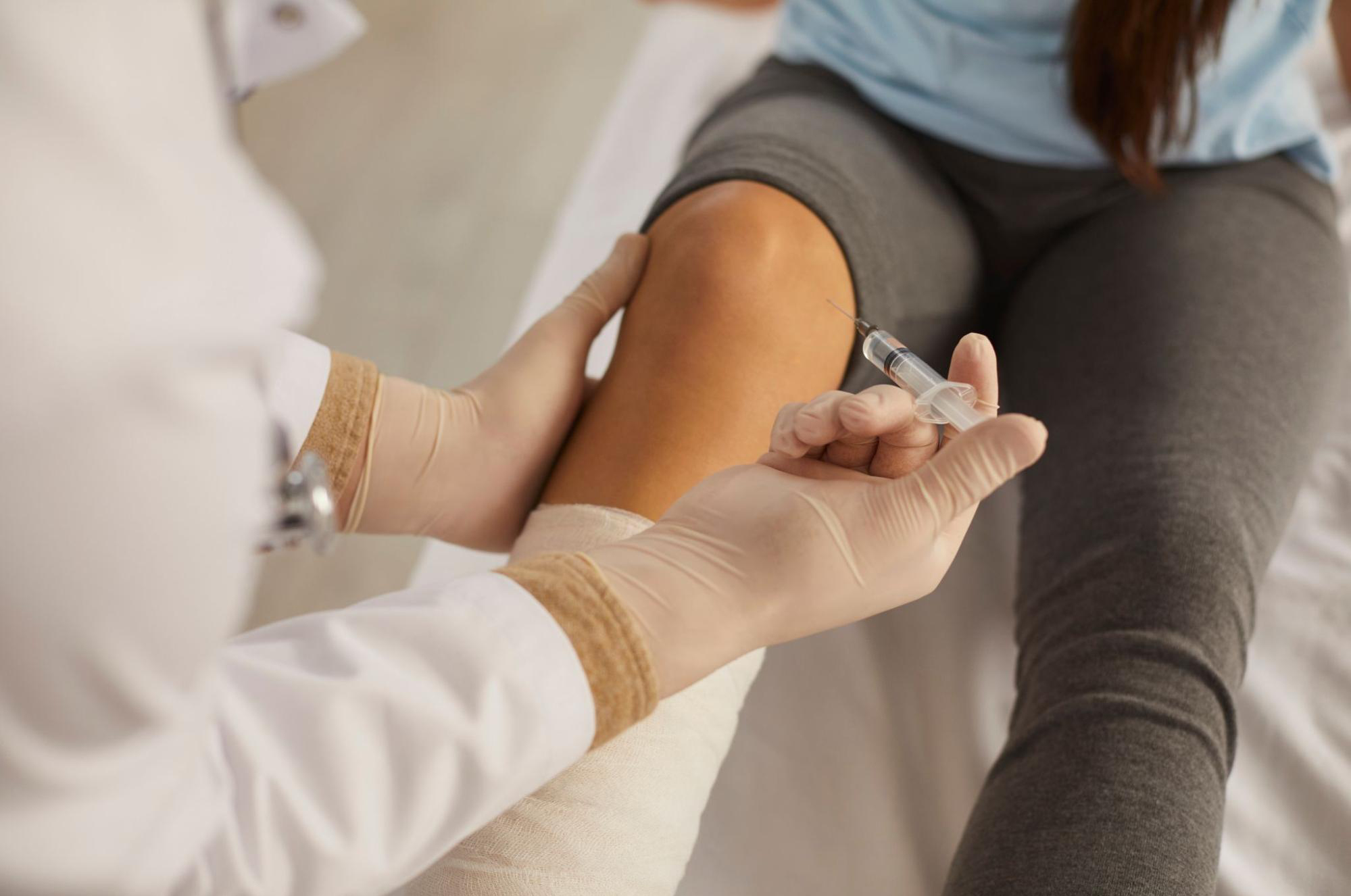
Why Pain Fades but Motion Doesn’t Return After a Shoulder or Elbow Joint Injection — Dr. Moriwaki on Designing Stem Cell Conditioned Media Joint Injection and Exercise Therapy Separately for “Pain Relief” and “Range of Motion Recovery”2026.07.14
“The injection eased my pain, but my arm still won’t rise the way I want.” This is a complaint we often hear from patients who have received a shoulder or elbow joint injection. This is not limited to a stem cell conditioned media joint injection — the same happens with steroid local injections or hyaluronic acid. The reason is simple: “pain becoming lighter” and “the joint moving again” are two separate processes inside the body. To use a joint injection wisely, we cannot mix these two up; each requires its own strategy.
Key Points of This Article
・What a joint injection to the shoulder or elbow mainly delivers is calming of inflammation and reduction of pain. Stretching a contracted capsule or a shortened tendon is difficult by injection alone.
・A stem cell conditioned media joint injection aims to act on the inflammatory environment of tissues; range of motion recovery presumes combined exercise therapy, stretching, and manual therapy.
・The window when the injection has put the patient in a “movable without pain” state is a precious time to advance range of motion training.
・Efficacy assessment should record a pain score (VAS/NRS) and range of motion (ROM) separately, tracking progress with both axes.
・Depending on the diagnosis and severity, surgical or orthopedic care may take priority, so differential diagnosis should be completed before injection.
Why “Pain” and “Motion” in the Shoulder and Elbow Are Separate Problems
Pain is mainly inflammation; motion is mainly a structural issue
When medication is delivered into the glenohumeral joint, subacromial bursa, or tendon insertions, anti-inflammatory cytokines and growth factors act locally and work in the direction of suppressing synovitis and peritendinous inflammation. A stem cell conditioned media joint injection is also thought to act primarily on this inflammatory environment. What is reduced here is mainly “pain arising from inflammation.”
On the other hand, capsular adhesions seen in the frozen-shoulder contracted phase, shortened muscle-tendons in tennis elbow or rotator cuff tendinitis, and muscle weakness from prolonged disuse are issues of “tissue that has already changed structurally.” These do not revert in a short time simply by injecting fluid. Physical stimulation — stretching, moving, strengthening — must be layered on over time.
“No pain, so it must move” does not always hold
When pain lightens, patients tend to think, “it should move now,” but joint range of motion is not decided by pain alone. The extensibility of the capsule, ligaments, and muscle-tendons, and whether the brain has learned “it is safe to move in this direction” — only when these align does the range widen. Even if a joint injection releases the brake of pain, pushing the accelerator of movement requires a separate preparation.
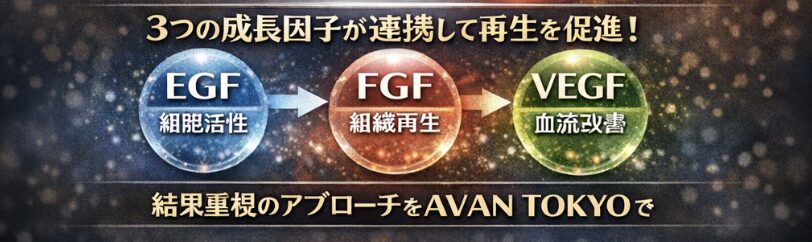
Designing Combined Care to Connect Stem Cell Conditioned Media to Functional Recovery
Make the most of the “easier to move” window after the injection
The period when pain is lightened is an ideal chance to advance range of motion training and stretching. Forcing motion through pain causes protective muscle contractions that only harden things further, but gradually broadening the range while pain is subdued allows the capsule and muscle-tendons to receive stretching stimulation without strain. Not finishing a stem cell conditioned media joint injection as “one shot and done,” but running it as a set with a rehabilitation plan, is essential for functional recovery.
Record pain score and range of motion separately
To judge treatment effect correctly, it matters to measure pain and range of motion separately. Quantify pain with VAS (Visual Analog Scale) or NRS, and record ROM such as flexion, abduction, external rotation, and internal rotation with a goniometer or photographs. When you can see a situation like “pain dropped from 50 to 20, but external rotation angle has not changed,” you can build the next move (raise the intensity of exercise therapy, add manual therapy, re-evaluate the cause). Leaving this ambiguous risks jumping to “it isn’t working” and switching the treatment plan too soon.
Managing bracing and daily-life motions
The shoulder and elbow are used constantly in daily movements. Arm position while sleeping, elbow angle during computer work, form when lifting heavy objects — motions that unconsciously strain the joint can invite inflammation to flare again. Reducing load temporarily with a supporter or taping and combining it with movement guidance helps the effect of the injection last longer. For general information about joint disease, the website of the Japanese Orthopaedic Association is also a helpful reference.
Premises to Arrange Before Choosing a Joint Injection
Diagnosis and severity come first
Whether shoulder pain is frozen shoulder, a rotator cuff tear, calcific tendinitis, or radiating pain from cervical spondylosis — the treatment priorities change with the cause. In large rotator cuff tears or advanced deformity, surgery may be the shortest path to functional recovery. A joint injection is only “one option among conservative therapies” — neither universal nor a first choice. For the positioning of the therapy, please also see this page for more on stem cell conditioned media joint injection.
Timing for efficacy judgment and review
Repair of tendon, ligament, and peri-articular tissue proceeds over weeks to months, so rather than expecting dramatic change from a single dose, it is realistic to judge across multiple treatments and follow-up. If neither pain nor range of motion has improved after several months, we consider continuing, changing, or referring back to orthopedic re-evaluation. Effects vary by individual and have limits — this premise underlies every careful judgment.
Frequently Asked Questions
Q. Can a stem cell conditioned media joint injection alone cure frozen shoulder?
We cannot state definitively that the contracted capsule’s range of motion returns fully with injection alone. Reducing inflammation and pain can often be expected, but releasing the contracture presumes combined exercise therapy, stretching, and manual therapy. The aim also changes with the phase (freezing, frozen, thawing).
Q. Is it safe to return to sports or heavy labor right after the injection?
Just because pain has lightened does not mean the tissue itself has healed. Suddenly resuming high-load motions can invite inflammation to flare again or bring trouble to other regions. We recommend returning along a rehabilitation plan that raises load in stages.
Q. Which should come first, joint injection or exercise therapy?
When pain is so strong that exercise itself is difficult, it is realistic first to suppress pain by injection, bring the joint to a movable state, and then advance exercise therapy. Still, without depending on the therapy, making exercise the axis once pain settles is the core of functional recovery.
Q. On what timeline is effect judged?
Because repair of tendon and peri-articular tissue takes time, we follow weeks to months of progress and evaluate pain score and range of motion separately. When response is scarce, we review the treatment plan, including re-evaluation of the cause.
Q. Is everyone a candidate for a joint injection?
Patients with active infection, poorly controlled systemic disease, or extremely advanced joint destruction may be outside the indication or subject to cautious dosing. Please have your own situation judged only after direct examination.
──────────────
Supervising Physician: Shin Moriwaki, MD
Member of the Japan Society of Aesthetic Surgery (JSAS) / Member of the American Academy of Aesthetic Medicine
ECFMG Certificate
──────────────
📍AVAN TOKYO Ginza Joint Regenerative Medicine
AVAN TOKYO Ginza Joint Regenerative Medicine
English / 中文 / Tiếng Việt supported
Inquiries welcome via DM / LINE / Website / Phone.