



Don’t Dismiss Chronic Mid-to-Lower Back Pain as ‘Bad Posture’ or ‘Slouching’ — Dr. Moriwaki explains the pathology of thoracic facet syndrome that is increasing among 40s–60s desk workers, and clarifies what stem cell conditioned media periarticular injection into the facet joint can and cannot address between intra-articular inflammatory environment correction and reversal of the joint’s structural deformity itself2026.08.08
“Heaviness between the shoulder blades,” “a constant tightness in the middle of the back,” “a sharp deep twinge with a deep breath or when turning to look back” — these chronic back complaints, increasing among desk workers in their 40s to 60s, are in many cases actually thoracic facet joint pain, that is, thoracic facet syndrome. Many patients dismiss the symptoms as ‘bad posture,’ ‘slouching,’ or ‘muscle stiffness’ and leave them untreated for years. But when the source of pain lies in the facet joint itself rather than in muscle tissue, no amount of massage or stretching brings fundamental improvement. In this column, Dr. Moriwaki organizes the pathology of thoracic facet syndrome and clarifies what stem cell conditioned media periarticular facet injection can and cannot target.
Key Points of This Article
・Thoracic facet syndrome is chronic back pain caused by chronic inflammation and degeneration of the facet joints in the mid-to-lower thoracic spine (around T5–T10), and is not merely ‘bad posture’ or ‘muscle stiffness.’
・The typical presentation is a sharp, deep twinge in the erector spinae region triggered by deep breathing, sneezing, twisting to look back, or standing up after prolonged sitting — qualitatively different from superficial myofascial pain.
・What stem cell conditioned media periarticular injection can address is ‘correction of the intra-articular and periarticular inflammatory environment’ — it is not a treatment that reverses the structural deformity of the facet joint itself (joint space narrowing, osteophyte formation).
・Diagnosis should proceed in order: history-taking, physical examination, ultrasound and MRI to narrow the source down to the facet joint, then consider injection indications.
What is thoracic facet syndrome?
The thoracic facet joint (zygapophyseal joint) is a small synovial joint formed by the opposing superior and inferior articular processes of adjacent thoracic vertebrae. Because thoracic range of motion is smaller than that of the cervical or lumbar spine, these joints are easily overlooked. However, when aging, prolonged static posture, sports history, or past trauma accumulate, degeneration progresses in the form of cartilage wear, chronic capsular inflammation, and osteophyte formation. This is the reality of the pathology.
The mid-to-lower thoracic spine around T5–T10 is particularly prone to persistent mechanical stress because of its articulation with the ribs — respiration and trunk rotation load these joints with every breath and every twist. In desk-centered lifestyles maintaining nearly the same flexed posture for hours, and conversely in occupations involving driving or heavy lifting with the back extended, sustained load accumulates in the facet joints of this region.
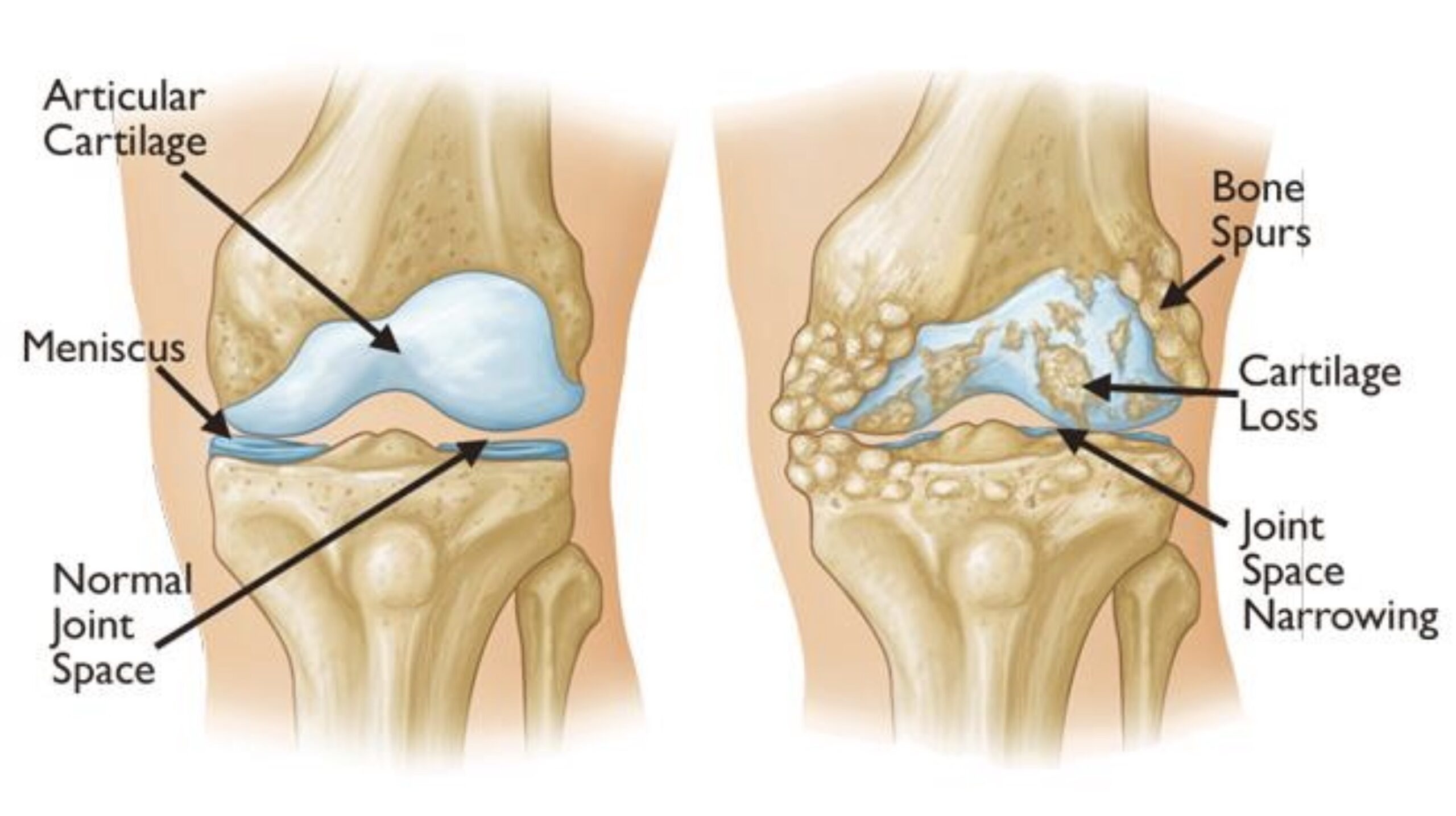
How to recognize thoracic facet syndrome and not dismiss it as ‘just slouching’
Typical pain patterns
The pain characteristically worsens in the following situations: a sharp twinge deep in the back with deep breathing, coughing, or sneezing; sharp central back pain the moment one stands up from a chair; a pulling pain between the shoulder blades when looking up or turning to look back; a heavy dull ache lingering in the central back after prolonged sitting. The dominant sensation is ‘deep, sharp’ and ‘deep, dull heaviness’ — qualitatively distinct from superficial stiffness or myofascial pain.
Conditions easily confused with it
Conditions commonly mistaken for this disease include chronic myofascial pain of the trapezius and rhomboid muscles, thoracic disc herniation, costovertebral (rib head) joint disorders, Tietze syndrome (inflammation of the sternocostal junction), and — rarely but importantly — referred pain from thoracic visceral disease (angina, cholecystitis, etc.). When chest pain, shortness of breath, or sweating are present, ruling out internal red-flag conditions must come first. Plain X-ray, MRI, and contrast-guided facet joint block can be combined to carefully narrow down whether the pain source truly lies in the thoracic facet joint — this diagnostic rigor greatly determines the quality of subsequent treatment planning.
What stem cell conditioned media periarticular facet injection can and cannot target
For thoracic facet syndrome, periarticular injection of stem cell conditioned media around the facet joint is one option that may be considered. Growth factors contained in conditioned media such as TGF-β, IGF-1, FGF, and VEGF, along with anti-inflammatory cytokines, are thought to potentially act on the chronic inflammatory environment surrounding the facet joint and modulate the synovitis cycle in a calming direction.
On the other hand, what conditioned media injection can target is strictly ‘correction of the intra-articular and periarticular inflammatory environment.’ It is not a treatment that reverses already-advanced joint space narrowing, osteophyte formation, or deformity of the articular processes themselves — this boundary must be shared from the start. The expectation that ‘one injection will restore bone shape’ falls outside the indication of this treatment.
A realistic treatment design combines accurate diagnosis and red-flag exclusion, core-muscle (erector spinae, multifidus) strengthening rehabilitation, adjustment of daily posture and work environment, and analgesics as needed — positioning periarticular conditioned media injection as one step in chronic inflammation control within that combination. For general information on joint diseases, please also see Japanese Orthopaedic Association. Learn more about stem cell conditioned media joint injection here.
Effects vary between individuals and depend on degree of degeneration, age, activity level, and comorbidities. Rather than judging ‘worked or didn’t work’ from a single injection, it is important to record pain scores (NRS), range of motion, and daily-activity limitations beforehand, and to review outcomes objectively over weeks to months. When response is poor, orthopedic re-evaluation, imaging review, and switching to other treatments are part of the decision.
Frequently Asked Questions
Q. If I fix my slouching, will the pain of thoracic facet syndrome disappear?
Postural improvement is important as it reduces persistent mechanical stress on the facet joints, but if chronic capsular inflammation or cartilage degeneration has already progressed, posture alone will not necessarily bring pain to zero. A realistic design combines postural improvement, core rehabilitation, and inflammation control as needed.
Q. Will this condition progress if left untreated?
In mild stages, everyday posture and core rehabilitation can slow progression in some cases, but if the same mechanical stress continues, facet degeneration generally advances slowly. If pain persists in the same spot, if it worsens with rolling over in bed, or if range of motion is decreasing, please seek orthopedic evaluation.
Q. How many periarticular stem cell conditioned media injections are needed to see effects?
There is no fixed number. A basic design uses several shorter-interval sessions in the induction phase and wider intervals in the maintenance phase, but response varies with degree of degeneration, age, and activity level. Rather than concluding from one injection, continuation, change, or discontinuation is decided while objectively evaluating pain scores and range of motion over weeks to months.
Q. Can I combine this with oral medications or topical patches?
Generally combinable, but as NSAIDs are debated for their potential influence on tissue repair signaling, please consult your treating physician about use around the time of injection. Please always share systemic history and medications at the first visit.
Q. Who is this not suited for?
When active infection, poorly controlled systemic disease, spinal tumor, fracture, or strong neurological symptoms (lower-limb paralysis, bladder or bowel disturbance) are present, evaluation and treatment of those take priority. Whether injection is indicated is always determined by physician examination and imaging.
──────────────
【Medical Supervisor】Shin Moriwaki (Supervising Physician)
Member, Japan Society of Aesthetic Surgery (JSAS) / Member, American Academy of Aesthetic Medicine
ECFMG Certificate
──────────────
📍AVAN TOKYO Ginza Joint Regenerative Medicine
AVAN TOKYO Ginza Joint Regenerative Medicine
English / 中文 / Tiếng Việt available
Inquiries welcomed via DM / LINE / Website / Phone.