



Stem Cell Culture Supernatant “Joint Injection” for Osteoarthritis and Joint Pain
Stem Cell Culture Supernatant Joint Injections for Knee, Shoulder and Other Joint Pain

AVAN TOKYO’s stem cell culture supernatant joint injection delivers culture supernatant into joints such as the knee and shoulder, aiming to reduce inflammation, support tissue repair and ease pain. We provide regenerative medicine for joint pain in Ginza.
Difficulty climbing stairs, being unable to kneel, pain when walking: we offer this treatment as one option for these concerns. We also see people whose pain did not change with hyaluronic acid injections and people who want to consider options other than surgery.
What Is Stem Cell Culture Supernatant Joint Injection?
Stem cell culture supernatant joint injection is treatment in which supernatant obtained during the process of culturing adipose-derived stem cells is directly injected into joints. This supernatant contains abundant growth factors, cytokines, exosomes, and other bioactive substances, and is expected to suppress inflammation within joints and promote tissue repair.
Hyaluronic acid injections aim to lubricate the joint, whereas stem cell culture supernatant injections aim to reduce inflammation inside the joint and support tissue repair.
In knee osteoarthritis, components such as cytokines are expected to act on the inflammation and pain that accompany cartilage wear, easing symptoms. This treatment does not restore worn cartilage itself.
Expected Effects

The following effects are expected from stem cell culture supernatant joint injection:
Calming of Inflammation
By reducing chronic inflammation inside the joint, pain and swelling are expected to ease.
Promotion of Cartilage-Surrounding Tissue Repair
Through the action of growth factors, promotion of tissue repair surrounding cartilage is expected. While complete regeneration of lost cartilage is difficult, improvement of joint function is expected by improving the surrounding tissue environment.
Pain Reduction
By reducing inflammation and supporting tissue repair, joint pain is expected to ease.
Improvement of Joint Range of Motion
As pain and inflammation ease, the joint is expected to become easier to move.
Aiming to Slow Progression
By reducing joint inflammation and improving the tissue environment, the treatment aims to slow the progression of osteoarthritis. Whether surgery is needed depends on the condition of the joint.
Recommended for Those Who:

Stem cell culture supernatant joint injection is suitable for individuals with the following concerns:
Those diagnosed with osteoarthritis of the knee who experience pain during stair climbing or ambulation. This is suitable for those experiencing interference with daily life such as inability to sit in seiza position and difficulty standing for extended periods.
Those receiving hyaluronic acid injections but experiencing insufficient effects. This is suitable for those who have not seen enough improvement with previous treatments.
Those who have been advised to have surgery and want to consider other options.
Those suffering from joint pain in the shoulder, elbow, ankle, or other areas. This is suitable for those wishing to improve joint pain from sports or work.
Those who are worried about taking pain medication for a long time.
Our Clinic’s Commitment
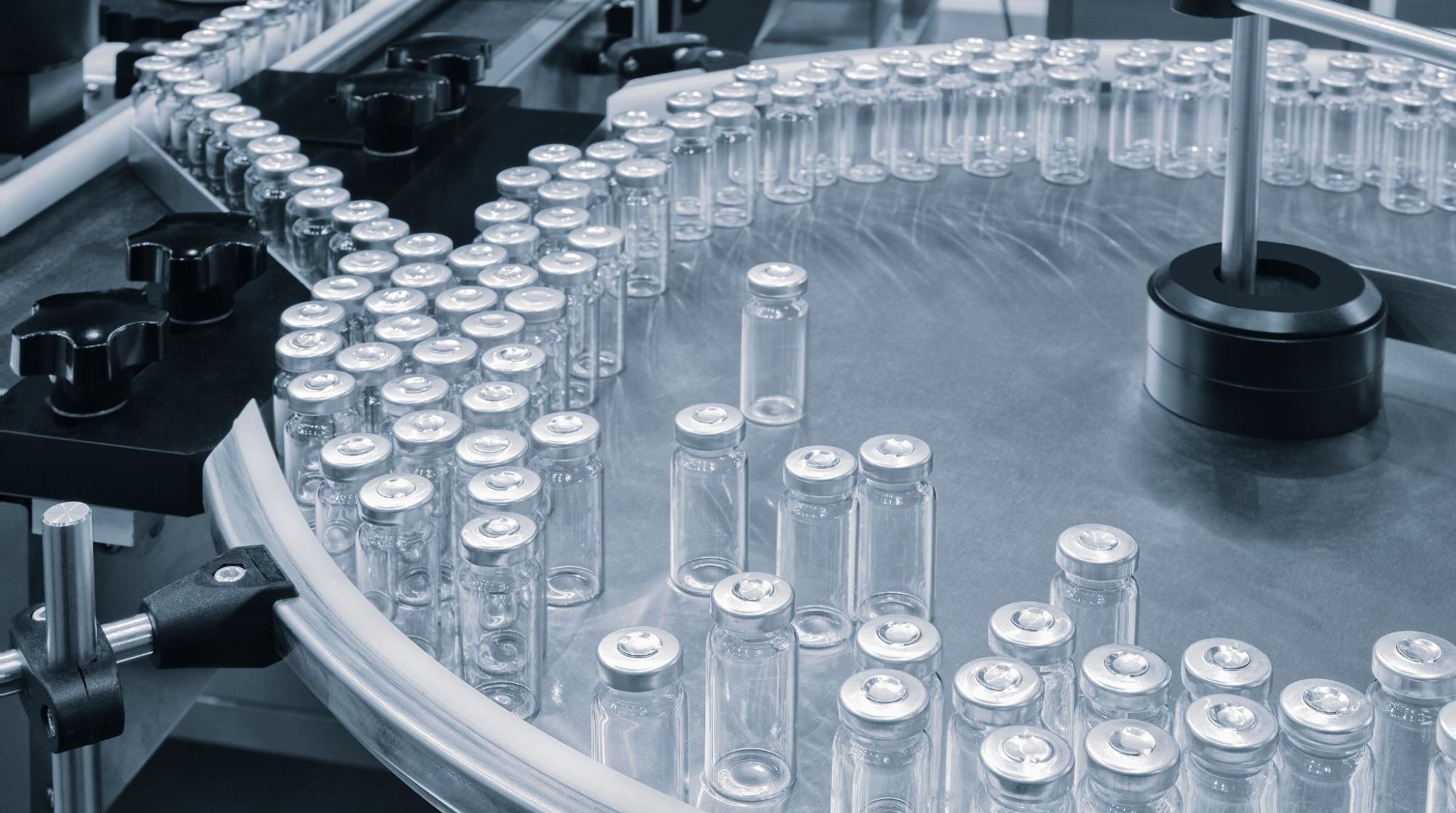
At AVAN TOKYO, we provide stem cell culture supernatant joint injection treatment with the following commitments:
Quality-Controlled Culture Supernatant
The stem cell culture supernatant used at our clinic is manufactured under quality control.
Careful Imaging Diagnosis and Treatment Planning
Prior to treatment, we perform imaging diagnostics such as X-rays or MRI as necessary to accurately assess joint condition. We comprehensively evaluate the degree of joint deformity, inflammation status, cartilage condition, and other factors to propose the optimal treatment plan for each patient.
Care to Reduce Pain
Joint injection is a procedure that involves some pain. We use a fine needle and local anesthesia at the injection site when needed to keep pain down.
Continuous Follow-Up After Treatment
After treatment, we check your progress regularly and ask about changes in pain. The treatment plan is adjusted as needed.
Treatment Process
Stem cell culture supernatant joint injection treatment proceeds according to the following process:
Consultation
We conduct detailed inquiries regarding symptoms of the patient’s joint pain, onset timing, treatment history to date, and other relevant factors. We confirm interference with daily life, degree of pain, treatment objectives, and other matters. We provide detailed explanations regarding the mechanism of stem cell culture supernatant joint injection, expected effects, risks and side effects, costs, and other matters.
Imaging Diagnosis (As Needed)
To accurately assess joint condition, we perform imaging diagnostics such as X-rays or MRI as necessary. Based on imaging diagnosis results, we determine treatment appropriateness and treatment planning.
Treatment Day
Disinfection and Anesthesia We carefully disinfect the injection site. To reduce pain, we perform local anesthesia as necessary.
Injection into Joint Under ultrasound guidance or through palpation, we accurately inject culture supernatant into the joint. Injection requires approximately several minutes. We adjust dosage according to patient condition and joint size.
Rest After Treatment After injection, please rest in the clinic for approximately 10 to 15 minutes. We confirm joint condition, and if there are no problems, you may return home.
Treatment Frequency and Intervals
The number and frequency of treatments vary with the condition of the joint and your symptoms. The general guide is as follows.
Initial Treatment Period
Many patients notice changes after several injections, and we recommend one injection every two weeks for the first one to two months.
Maintenance Period
After that, we suggest continuing about once every one to two months depending on your condition. The best plan differs with the condition of the joint and your symptoms.
Downtime and Precautions
While stem cell culture supernatant joint injection is treatment with relatively minimal downtime, because it involves injection into joints, several precautions exist.
Symptoms That May Occur After Treatment
Mild pain or swelling may occur at the injection site and usually eases within a few days. Pain may also increase temporarily after the injection. If the injected joint becomes very swollen, feels hot, or the pain continues, infection is possible, so please contact us right away.
Precautions on Treatment Day
On the treatment day, we recommend avoiding strenuous exercise and prolonged walking. Cooling the affected area can reduce swelling and pain. Showering is possible from the same day; however, we recommend long baths and saunas from the following day onward.
Those Who Cannot Receive Treatment
Pregnant women, nursing mothers, those with severe joint deformity, those with infection within joints, and those with a history of malignant tumors may not be able to receive treatment. During consultation, we will conduct detailed inquiries and determine whether treatment can be received safely.
Combination with Other Treatments
Joint injections can also be received alongside other treatment such as rehabilitation.
Combination with Rehabilitation
Once pain and inflammation have eased with the injection, continuing exercise therapy and rehabilitation is important for maintaining joint function. Please include it within reasonable limits under the guidance of the orthopedic clinic you attend.
Combination with Other Treatments
We will also propose combinations with other treatment methods according to patient condition. Please consult regarding the optimal treatment plan during your consultation appointment.
Joints That Can Be Treated

Our clinic accommodates stem cell culture supernatant injection to the following joints:
Knee Joint
We address osteoarthritis of the knee, knee pain and swelling, restriction of joint range of motion, and other conditions.
Shoulder Joint
We address frozen shoulder, shoulder pain and range of motion restriction, rotator cuff injury, and other conditions.
Elbow Joint
We address tennis elbow, golfer’s elbow, elbow pain, and other conditions.
Ankle Joint
We address ankle pain and swelling, chronic symptoms following sprains, and other conditions.
Other Joints
Please consult regarding other joints including the wrist and hip joint.
Regarding Fees
Fees for stem cell culture supernatant joint injection are as follows:
| Treatment | Fee |
|---|---|
| Knee Joint Injection (1 session) | ¥150,000–¥298,000 |
| Knee Joint Injection (3-session course) | ¥398,000–¥698,500 |
| Other Joints (shoulder, elbow, ankle, etc.) (1 session) | ¥120,000–¥248,000 |
*All prices are inclusive of tax. *Fees vary depending on joint condition and dosage. Details will be explained during consultation.
Initial consultation and counseling fees are free. Payment is accepted via cash, credit cards, debit cards, and medical loans.
Frequently Asked Questions
We respond to questions commonly received from patients regarding stem cell culture supernatant joint injection.
Is the injection painful?
Joint injection is accompanied by some pain; however, we reduce pain through use of local anesthesia. We use fine needles and employ careful technique, so please be assured.
When can I expect to perceive effects?
This varies from person to person. Many patients notice changes after several injections, and we suggest the 3-session course as a general guide.
What is the difference from hyaluronic acid injection?
While hyaluronic acid injection aims at joint lubrication, stem cell culture supernatant injection aims at tissue repair and inflammation suppression. This treatment works on the tissue environment.
Can I avoid surgery?
We cannot promise that. Depending on the condition of the joint, surgery may be the better option. At the examination we check the joint and explain whether the injection is suitable.
Is insurance coverage applicable?
Stem cell culture supernatant joint injection is elective medical care; therefore, health insurance is not applicable.
Regenerative Medicine for Joint Pain Received in Ginza
AVAN TOKYO provides regenerative medicine for joint pain in Ginza. Stem cell culture supernatant joint injection represents a new option for those wishing to avoid surgery and those considering options other than surgery.
If joint pain is getting in the way of daily life, such as climbing stairs, sports or travel, please consult us first. After hearing about your pain and previous treatment, we will explain the treatment options.
Consultations are free. We propose a treatment plan suited to the condition of each patient’s joint.