


Second Fat Transfer Breast Augmentation 10 Months After Surgery2026.07.04
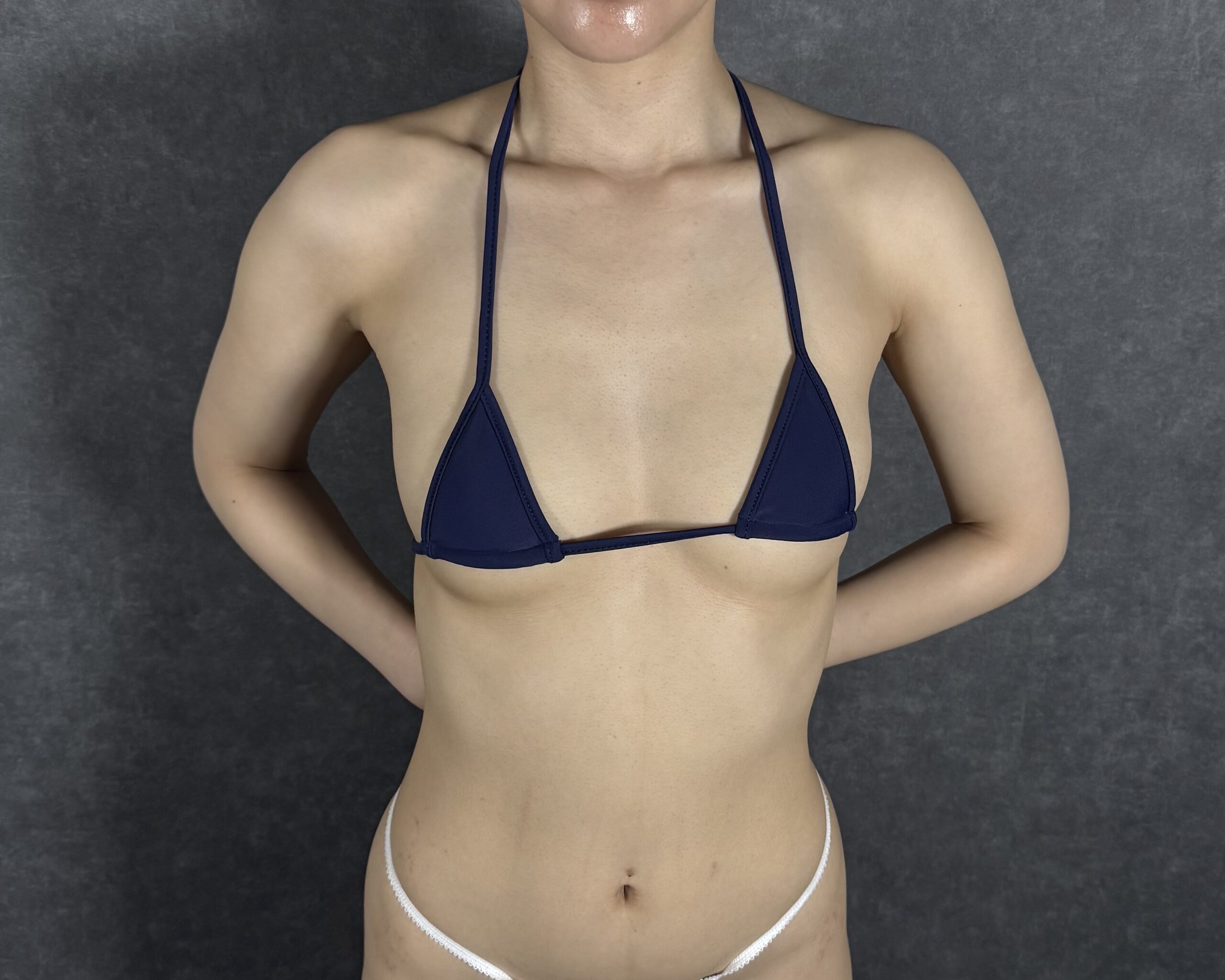
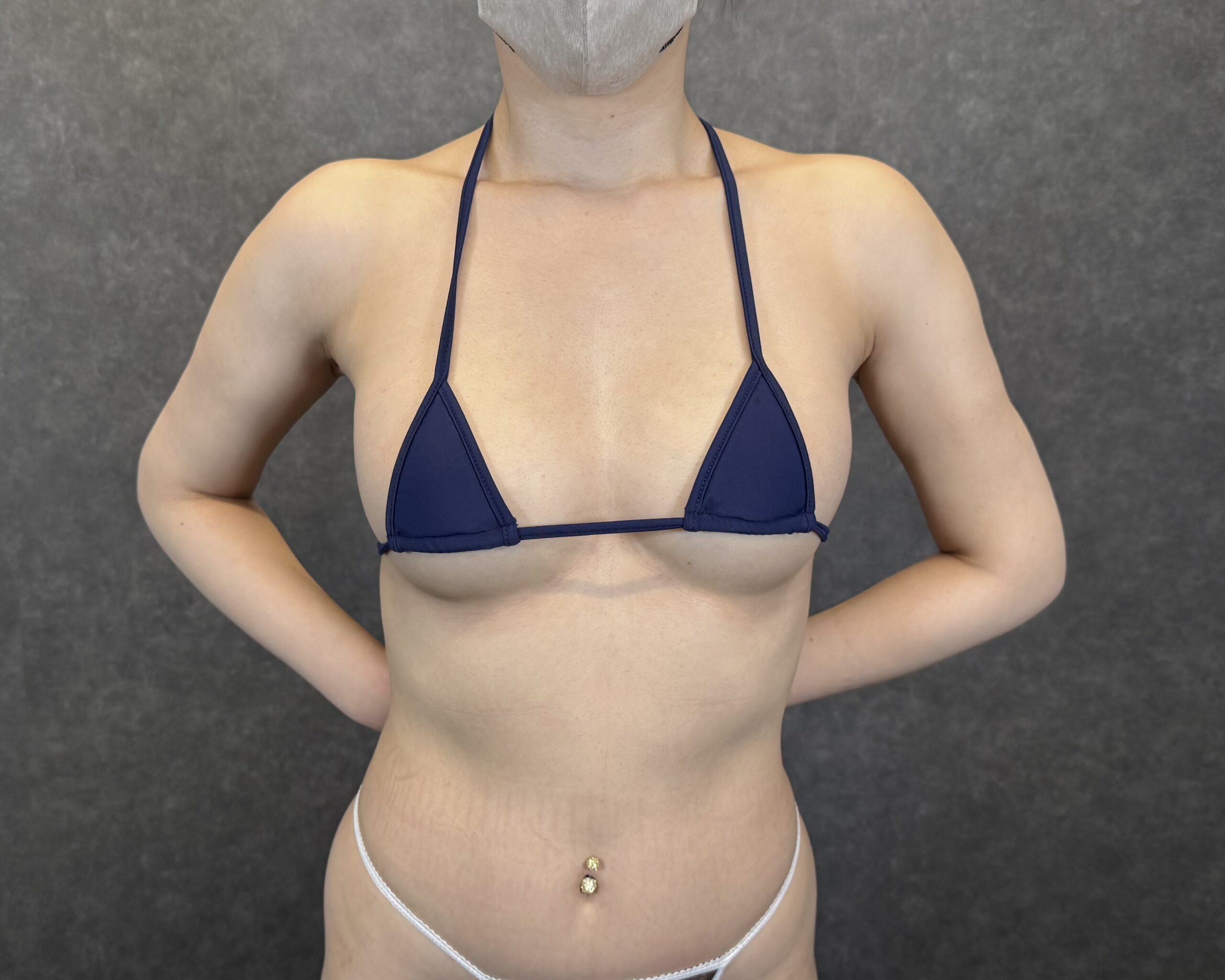
Fat transfer breast augmentation is a procedure that uses the patient’s own fat to create a natural breast enhancement.
Because it does not use silicone implants, it can provide a soft and natural feel. However, fat retention varies between individuals. Even when the same amount of fat is injected, some patients retain it well, while others may experience more absorption than expected.
For this reason, fat transfer breast augmentation is not always completed in one session. Even if the first procedure does not produce enough volume, a second or third procedure may help achieve a more stable breast enhancement.
In repeat fat transfer breast augmentation, additional fat can be layered onto the fat that has already survived. The breast tissue may also have improved blood flow and more stretch after the first procedure, which may help support better fat retention.
This patient had previously undergone fat transfer breast augmentation several years ago. For this second procedure, 270cc was injected into the right breast and 310cc into the left breast.
At 10 months after surgery, the breast volume and roundness have been well maintained. During the injection, we focused not only on increasing size, but also on natural upper-breast fullness, overall roundness, symmetry, and balance with the patient’s body shape.
In fat transfer breast augmentation, the result is not determined only by how many cc are injected. It is important to inject the appropriate amount into the appropriate layers and distribute the fat finely. Injecting more than the breast can safely accept may increase the risk of fat absorption, fat necrosis, or palpable lumps.
At AVAN TOKYO, we consider fat transfer breast augmentation not only as a breast enhancement procedure, but also as part of overall body contour design, including the liposuction areas. We aim to create natural roundness, soft texture, balanced volume, and a smooth line from the décolletage to the breast.
Postoperative care also affects fat retention. Smoking cessation, avoiding excessive dieting, high-protein meals, adequate sleep, and sufficient vitamin and mineral intake are important to support fat survival.
Even if the first fat transfer breast augmentation did not achieve the desired result, a second or third procedure may help patients get closer to their ideal breast shape.
Case Information
Procedure
Second fat transfer breast augmentation
Injected Volume
Right breast: 270cc
Left breast: 310cc
Follow-Up
10 months after surgery
Risks and Complications
Swelling, bruising, pain, infection, palpable lumps, fat necrosis, calcification, fat absorption, individual differences in fat retention, asymmetry, skin tethering, scarring, sensory changes, and other possible complications.
This case introduction is intended for medical education purposes. Results and recovery vary between individuals.