


The Future of Breast Augmentation Is Here: Why Fat Transfer Is Gaining Worldwide Attention2026.10.08
Natural, Beautiful Breasts Using Your Own Fat — The Future of Breast Augmentation, Regenerative Medicine, and Body Contouring
“I want fuller breasts, but I’m hesitant about silicone implants.”
“I want my breasts to look and feel as natural as possible.”
“I wish I could make my arms or thighs slimmer while enhancing my breasts.”
For women who share these goals, fat transfer breast augmentation is becoming an increasingly attractive option.
I believe we are entering an exciting new era of breast augmentation — one in which natural beauty, tissue preservation, and overall body proportions are becoming just as important as breast size.
This shift is not limited to cosmetic surgery.
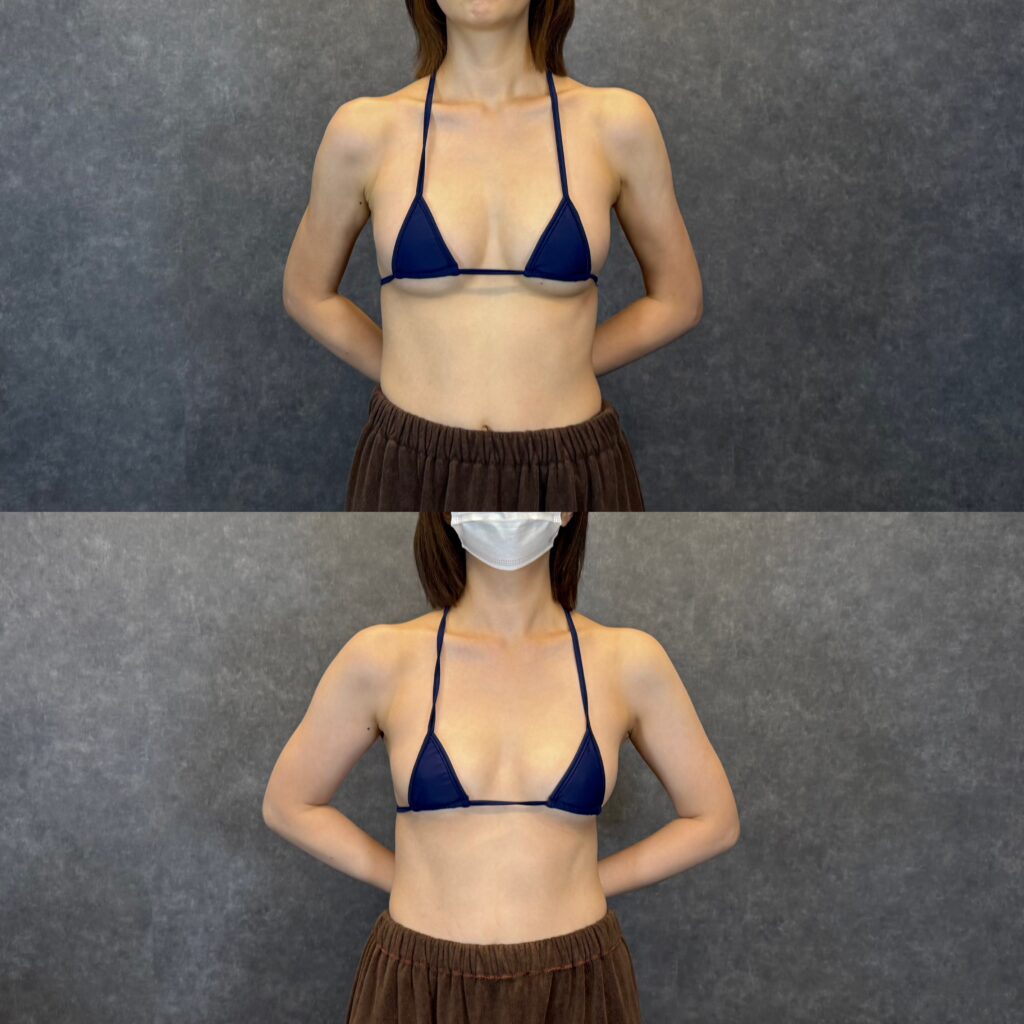
Fat grafting is also attracting growing attention in breast reconstruction and regenerative medicine, where researchers are exploring its potential to restore natural tissue and improve surgical outcomes.
In this article, I would like to discuss why fat transfer breast augmentation is gaining worldwide interest, what recent medical research tells us, and how we approach natural breast enhancement at AVAN TOKYO.
1. Why Is Fat Transfer Breast Augmentation Gaining Worldwide Attention?
For many years, silicone breast implants have been one of the most widely performed methods of breast augmentation worldwide.
Silicone implants offer several advantages, including predictable volume enhancement and the ability to achieve a substantial increase in breast size through a single procedure.
However, patient preferences are gradually becoming more diverse.
Today, many women are seeking more than just larger breasts.
They want natural softness, balanced proportions, and results that complement their individual body shape.
This is where autologous fat transfer breast augmentation offers a unique advantage.
The procedure involves harvesting fat from areas such as the upper arms, thighs, abdomen, or waist, carefully processing it, and transferring it to the breasts.
Because the transferred material consists of the patient’s own tissue, breast volume can be enhanced without introducing silicone implants.
Fat transfer also offers the opportunity to contour other areas of the body at the same time.
For example, removing excess fat from the upper arms while adding volume to the breasts can create a more defined upper-body silhouette.
In other words, fat transfer breast augmentation is not simply about making the breasts larger.
It is about removing volume where it is unwanted and adding volume where it can create more beautiful, balanced proportions.
This concept represents an important direction in modern aesthetic breast surgery.
2. Fat Grafting Is Also Advancing in Breast Reconstruction and Regenerative Medicine
On October 8–9, 2026, the 14th Annual Meeting of the Japan Oncoplastic Breast Surgery Society brings together specialists in breast surgery, plastic surgery, and reconstructive medicine.
One of the educational sessions focuses on:
“Breast Reconstruction Using Fat Grafting: From Standard Treatment to the Future of Regenerative Medicine.”
Fat grafting is already used in selected breast reconstruction procedures, including correcting contour deformities, improving breast symmetry, and restoring volume following breast cancer surgery.
In addition, researchers are investigating the biological potential of adipose tissue.
Fat is not merely an energy-storage tissue. It contains various cellular components, including adipose-derived stem cells (ADSCs), stromal vascular fraction (SVF), and other cells involved in tissue repair and vascular function.
One of the most important factors determining the survival of transferred fat is the development of an adequate blood supply.
Following transplantation, fat cells must obtain sufficient oxygen and nutrients from surrounding tissue.
This process is closely associated with angiogenesis — the formation of new blood vessels.
Research into adipose-derived cells, vascular regeneration, and tissue remodeling may help improve the predictability and outcomes of fat grafting in the future.
However, cell-assisted fat grafting and stem-cell-based enhancement techniques still require further clinical investigation to establish their long-term safety and effectiveness.
Importantly, fat grafting does not replace every established method of breast reconstruction.
Nevertheless, the increasing scientific attention given to adipose tissue demonstrates that fat grafting has important applications beyond cosmetic breast enhancement.
I believe the continued exchange of knowledge between aesthetic surgery, reconstructive surgery, and regenerative medicine will play a major role in shaping the future of breast procedures.
3. What Does Recent Research Say About Patient Satisfaction?
The growing interest in fat transfer breast augmentation is supported by an expanding body of medical literature.
A study published in Aesthetic Plastic Surgery in 2025 compared patient-reported outcomes following breast augmentation using silicone implants and autologous fat transfer.
The study included 119 patients: 87 underwent implant-based augmentation, while 32 underwent fat transfer.
The researchers found no statistically significant difference in satisfaction with the breasts between the two groups.
However, patients who underwent fat transfer reported higher scores for physical well-being.
This suggests that fat transfer may offer certain advantages in postoperative physical comfort, although the findings do not establish that it is superior to implants for every patient.
More recently, a systematic review and meta-analysis published in Aesthetic Surgery Journal in September 2026 evaluated 40 studies involving 5,684 patients.
The analysis reported a pooled patient satisfaction estimate of approximately 93.1% following autologous fat grafting for breast augmentation and remodeling.
These results are encouraging.
However, the studies differed in their techniques, follow-up periods, and methods of measuring satisfaction. Fat necrosis, palpable lumps, and variable fat retention remain important considerations.
Therefore, successful fat transfer breast augmentation requires appropriate patient selection, meticulous surgical technique, and realistic expectations.
The future of breast augmentation is not simply about achieving greater volume. It is increasingly about achieving natural-looking results, physical comfort, and harmony with the rest of the body.
4. The AVAN TOKYO Philosophy: Beautiful Breasts Begin with Beautiful Body Proportions
At AVAN TOKYO GINZA LIPOSUCTION CLINIC, we believe breast augmentation should be considered as part of overall body contouring.
Our approach goes beyond simply increasing breast size.
We carefully evaluate how the breasts, shoulders, upper arms, waist, and overall silhouette work together to create balanced proportions.
One of our signature treatment combinations is:
360° Upper Arm Liposuction + Fat Transfer Breast Augmentation
For patients who wish to achieve slimmer arms and fuller breasts, this combination can be particularly attractive.
By reducing excess fat around the upper arms, we aim to create a smoother, more delicate arm contour.
At the same time, carefully transferring harvested fat to the breasts can enhance their volume and natural curvature.
When the upper arms become slimmer, the breasts may appear more prominent in relation to the surrounding body.
This creates a more defined contrast between the arms, shoulders, and bust.
The result we aim for is not simply a larger bust.
It is a more refined upper-body silhouette.
At AVAN TOKYO, we focus on anatomical balance and individualized surgical planning.
Where should fat be removed?
Where should volume be preserved?
Which areas of the breasts would benefit most from additional fullness?
How will the body look from the front, side, and three-quarter view?
These are the questions we consider when designing each procedure.
Slimmer arms. Naturally fuller breasts. A more balanced silhouette.
This is the aesthetic philosophy behind our approach to combining liposuction and breast augmentation.
5. Real Patient Results: 360° Upper Arm Liposuction + Condensed Rich Fat Transfer
The following case demonstrates our approach to simultaneous upper-body contouring and breast enhancement.
Procedure Details
● 360° Upper Arm Liposuction
● Condensed Rich Fat Transfer Breast Augmentation
● Right Breast: 230 cc of Fat Injected
● Left Breast: 210 cc of Fat Injected
● Postoperative Follow-up: 3 Months
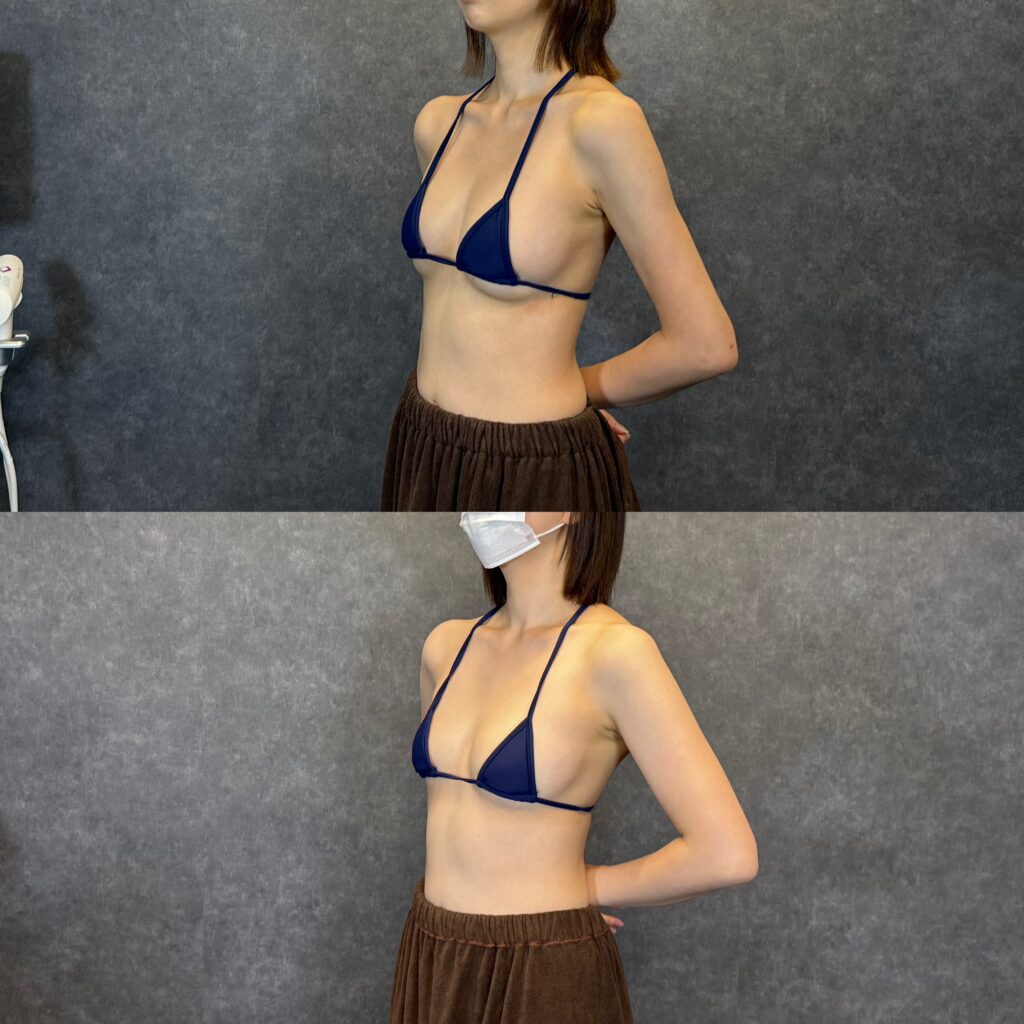
[Before-and-After Photographs — Preoperative / 3 Months Postoperative]
At three months after surgery, this patient continues to demonstrate an increase in breast volume.
By combining full-circumference upper arm liposuction with fat transfer breast augmentation, we aimed to improve both the arm contour and the overall upper-body silhouette.
The slimmer upper arms create a more delicate appearance, while the enhanced breast contours contribute to a balanced and feminine shape.
An important point about fat transfer is that not all injected fat survives permanently.
Some of the transferred fat is naturally absorbed during the healing process, while surviving fat cells establish a blood supply from the surrounding tissues.
For this reason, photographs taken three months after surgery cannot determine the exact final fat retention rate.
At AVAN TOKYO, we place particular importance on postoperative evaluations at three months, six months, and beyond.
Our objective is not simply to create an immediate increase in breast volume.
We aim to achieve natural, aesthetically balanced results that can be maintained over the long term.
6. Successful Fat Transfer Is Not About Injecting as Much Fat as Possible
One of the most common questions patients ask is:
“How much fat can you inject into my breasts?”
While achieving adequate volume is important, successful fat transfer breast augmentation is not determined by injection volume alone.
Fat grafting is a biological transplantation procedure.
For transferred fat to survive, it must receive sufficient oxygen and nutrients through the surrounding tissue.
If an excessive amount of fat is injected into an area with limited capacity, some of the transferred tissue may not receive an adequate blood supply.
This can increase the risk of fat necrosis, oil cysts, and palpable lumps.
Therefore, careful surgical planning is essential.
At AVAN TOKYO, we consider several important factors:
1. Precise Liposuction Design
We aim to harvest fat while preserving the natural contours of the donor areas.
2. Careful Fat Processing
The harvested fat is processed and prepared for transplantation with attention to tissue quality.
3. Anatomically Appropriate Fat Placement
The injection volume and distribution are planned according to the patient’s breast anatomy, tissue characteristics, and available recipient capacity.
4. Long-Term Aesthetic Planning
We consider not only immediate postoperative volume but also the expected changes during healing and fat retention.
For patients who desire a significant increase in breast size, multiple fat transfer procedures may be necessary.
In some cases, combining silicone implants with fat grafting — known as hybrid breast augmentation — may be a more appropriate option.
Rather than recommending one technique for every patient, we believe the best approach is to select the procedure that most closely aligns with each patient’s anatomy and aesthetic goals.
7. Can Slim Patients Undergo Fat Transfer Breast Augmentation?
One of the questions we frequently receive is:
“I’m naturally slim. Do I have enough fat for breast augmentation?”
It is true that patients with a low body fat percentage generally have less fat available for harvesting.
However, being slim does not automatically mean that fat transfer breast augmentation is impossible.
The suitability of the procedure depends on several factors, including the distribution of subcutaneous fat, breast tissue characteristics, skin elasticity, and the amount of volume enhancement desired.
At AVAN TOKYO, we assess potential donor areas such as the upper arms, thighs, abdomen, and waist.
Even relatively small amounts of carefully transferred fat may be useful for subtle volume enhancement or refinement of breast contours.
For patients who desire a larger increase in breast size but have limited donor fat, hybrid breast augmentation may provide an alternative.
Our clinic places particular emphasis on aesthetic procedures for naturally slim patients.
We believe that breast enhancement should complement the patient’s existing proportions rather than overwhelm them.
The ideal treatment is not necessarily the one that creates the largest breasts, but the one that creates the most harmonious result for each individual.
8. The Future of Breast Augmentation: From Size to Natural Beauty
Breast augmentation has traditionally been associated with an increase in breast size.
However, modern aesthetic expectations are becoming increasingly sophisticated.
Patients are now considering a broader range of factors, including:
● Natural breast shape and softness
● Balanced proportions with the shoulders and waist
● Breast symmetry and contour
● Physical comfort
● Long-term appearance and stability
Fat transfer breast augmentation offers a promising way to address many of these priorities.
At the same time, silicone implants remain an important option, particularly for patients who desire a substantial and more predictable increase in breast volume.
I do not believe that fat transfer will replace every other breast augmentation technique.
Instead, I believe the future lies in selecting and combining surgical approaches according to each patient’s individual needs.
As research in tissue regeneration, adipose-derived cells, and vascular biology continues to advance, the possibilities for fat grafting may expand further.
The next era of breast augmentation will be defined not only by how much volume we create, but by how naturally and beautifully that volume integrates with the body.
9. Discover Natural Breast Enhancement at AVAN TOKYO
Are you considering breast augmentation but hesitant about silicone implants?
Would you like to achieve fuller breasts while also refining your upper arms, thighs, or waist?
Are you looking for natural-looking results that complement your existing body proportions?
At AVAN TOKYO GINZA LIPOSUCTION CLINIC, we specialize in combining advanced body contouring concepts with individualized breast enhancement.
Our philosophy is simple:
“Making naturally slim patients even slimmer, more refined, and more beautiful.”
We believe that every patient deserves a treatment plan designed around her unique anatomy, preferences, and long-term goals.
Whether fat transfer, silicone implants, or hybrid breast augmentation is most suitable for you, our priority is to recommend an approach based on your individual needs.
During your consultation, we will discuss the available procedures, expected results, limitations, recovery process, and potential risks.
International patients are welcome, and online consultations are available.
Experience a more personalized approach to natural breast enhancement at AVAN TOKYO.
We look forward to helping you explore the possibilities.
AVAN TOKYO GINZA LIPOSUCTION CLINIC
Medical Director: Shin Moriwaki, MD
Tokyo, Ginza, Japan
Official Website: https://avan-tokyo.com/
Book Your Consultation Through Our Official Website or LINE.
Procedure Information, Pricing, and Risks
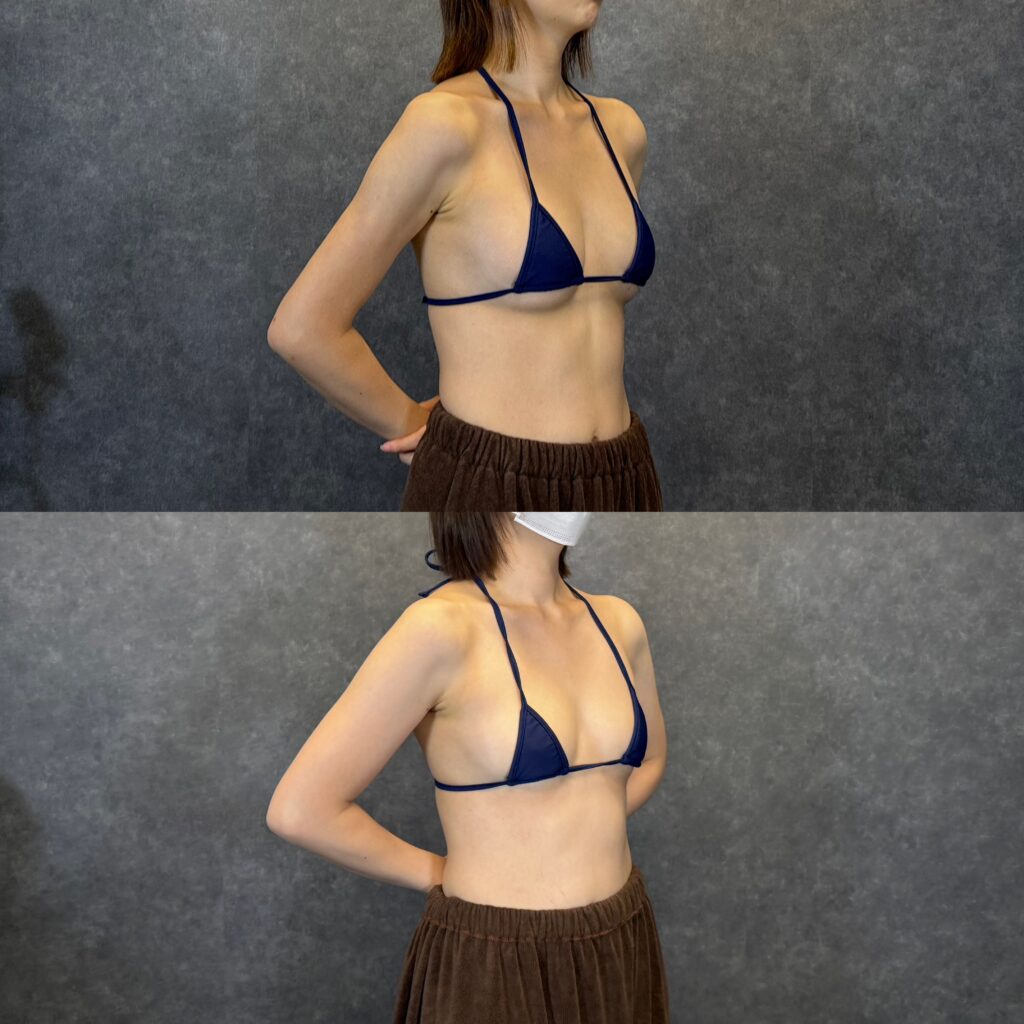
Procedure: 360° upper arm liposuction combined with autologous condensed rich fat transfer breast augmentation.
Reference Prices (JPY, tax included):
● Condensed Rich Fat Transfer Breast Augmentation (including fat harvesting from two areas): ¥1,280,000 standard / ¥948,000 monitor price
● 360° Upper Arm Liposuction: ¥650,000 standard / ¥498,000 monitor price
● Intravenous Anesthesia: ¥55,000 (¥110,000 with a dedicated anesthesiologist)
The prices above are reference prices for individual treatments and do not represent the actual total cost of the featured case. Final pricing depends on the treatment plan and combination of procedures.
Potential Risks and Complications:
Infection, bleeding, swelling, bruising, pain, fat necrosis, palpable lumps, calcification, asymmetry, partial fat absorption, contour irregularities, skin retraction, pigmentation changes, and scarring.
Individual results vary. The amount of transferred fat that survives cannot be guaranteed, and postoperative photographs do not establish the final fat retention rate.
Medical References
1. The 14th Annual Meeting of the Japan Oncoplastic Breast Surgery Society, 2026. Official Program
2. Comparative Study Between Breast Implants and Adipose Tissue Autograft in Primary Aesthetic Breast Augmentation. Aesthetic Plastic Surgery, 2025. PubMed
3. Autologous Fat Grafting for Breast Augmentation and Breast Remodeling: A Systematic Review and Meta-Analysis of Complications, Radiologic Outcomes, Graft Retention, and Patient-Reported Satisfaction. Aesthetic Surgery Journal, 2026. Original Article