


Can Diet Affect Fat Survival After Fat Transfer Breast Augmentation?2026.05.16
Why AVAN TOKYO strongly emphasizes the first 1–1.5 months after surgery
Fat grafting breast augmentation is not simply:
“Inject fat and you’re done.”
What truly matters is:
“How much of the transferred fat survives beautifully.”
Especially in areas such as:
- The décolletage
- The cleavage (midline)
- The upper breast
fat survival rates are generally lower and more unstable.
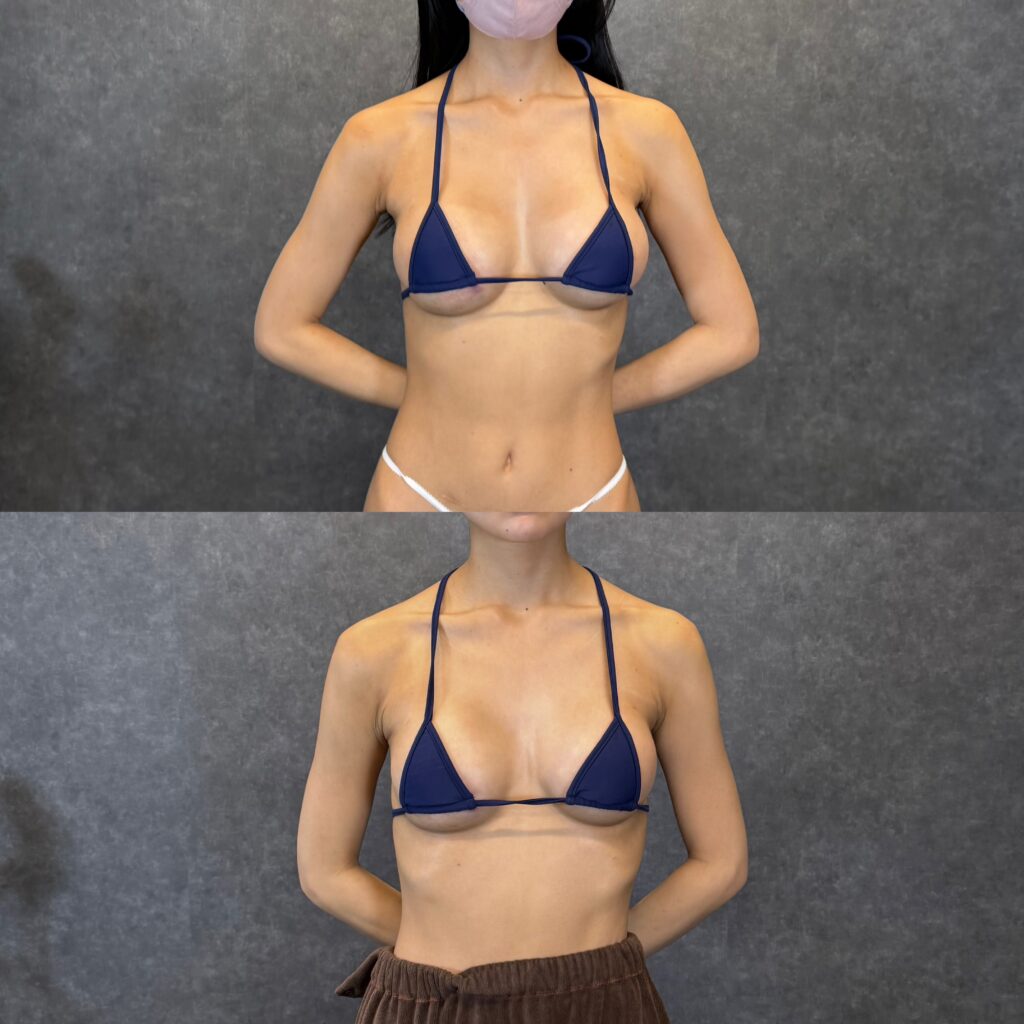
For this reason, AVAN TOKYO places great importance not only on surgical technique, but also on:
“Post-operative lifestyle management during the first 1–1.5 months.”
Why Does Transferred Fat Get Absorbed?
Transferred fat does not survive at a 100% rate.
After fat injection, the transferred fat cells must:
- Establish new blood supply
- Integrate with surrounding tissue
- Survive the inflammatory healing process
before they can permanently survive.
However, during this period, factors such as:
- Excessive inflammation
- Poor blood circulation
- Nutritional deficiency
- Smoking
- Rapid weight loss
can significantly reduce fat survival.
The décolletage and cleavage areas are especially vulnerable because they naturally have thinner soft tissue and lower blood supply.
What AVAN TOKYO Emphasizes After Surgery
At AVAN TOKYO, we consistently advise patients to focus on:
- Smoking cessation (including secondhand smoke)
- Anti-inflammatory nutrition
- Adequate sleep
- Light exercise and blood circulation improvement
These may sound simple, but they are extremely important.
The first 1–1.5 months after surgery are particularly critical for long-term fat retention.
Patients who carefully manage this recovery period tend to achieve significantly more stable and reproducible results.
Recommended Anti-Inflammatory Foods After Fat Transfer Breast Augmentation
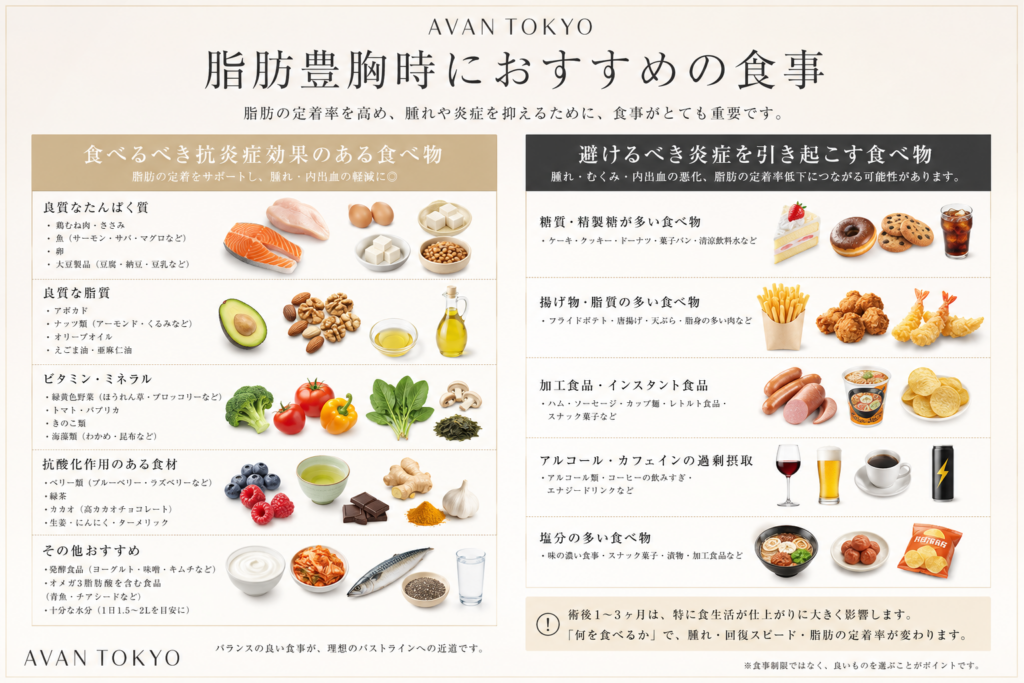
To support fat survival, the goal is to:
- Reduce inflammation
- Improve blood circulation
- Promote tissue healing
through nutrition.
1. High-Quality Protein
Protein is essential for both fat survival and wound healing.
Recommended foods:
- Chicken breast
- Fish (salmon, mackerel, tuna, etc.)
- Eggs
- Tofu, natto, soy milk
- Greek yogurt
At AVAN TOKYO, we especially recommend:
“Daily soy milk intake.”
Soy milk contains:
- Plant-based protein
- Isoflavones
- Anti-inflammatory properties
and pairs extremely well with fat grafting procedures.
2. Healthy Fats
Fat itself is not the enemy.
Healthy fats actually help reduce inflammation.
Recommended foods:
- Avocado
- Olive oil
- Nuts
- Perilla oil
- Flaxseed oil
- Fatty fish rich in omega-3 fatty acids
3. Vitamins and Minerals
After surgery, oxidative stress increases significantly.
Antioxidants are therefore extremely important.
Recommended foods:
- Broccoli
- Spinach
- Bell peppers
- Tomatoes
- Seaweed
- Mushrooms
4. Foods with Strong Anti-Inflammatory Effects
Recommended foods:
- Berries
- Green tea
- Turmeric
- Ginger
- Garlic
- Dark chocolate (high cacao)
These may help reduce inflammation, improve circulation, and support antioxidant activity.
Foods to Avoid After Fat Transfer Breast Augmentation
Certain foods may worsen inflammation and reduce fat survival.
1. Excess Sugar and Refined Carbohydrates
Examples:
- Cakes
- Donuts
- Sweet breads
- Sugary drinks
- Processed sweets
Excessive sugar intake may worsen inflammation and swelling.
2. Fried Foods and Trans Fats
Examples:
- French fries
- Fried foods
- Fast food
- Processed snack foods
These may increase inflammatory reactions and delay recovery.
3. Excessive Alcohol Intake
Heavy drinking soon after surgery may worsen:
- Swelling
- Blood circulation instability
- Sleep quality
Particularly during the first 1–2 weeks after surgery.
4. Smoking (Including Secondhand Smoke)
This is extremely important.
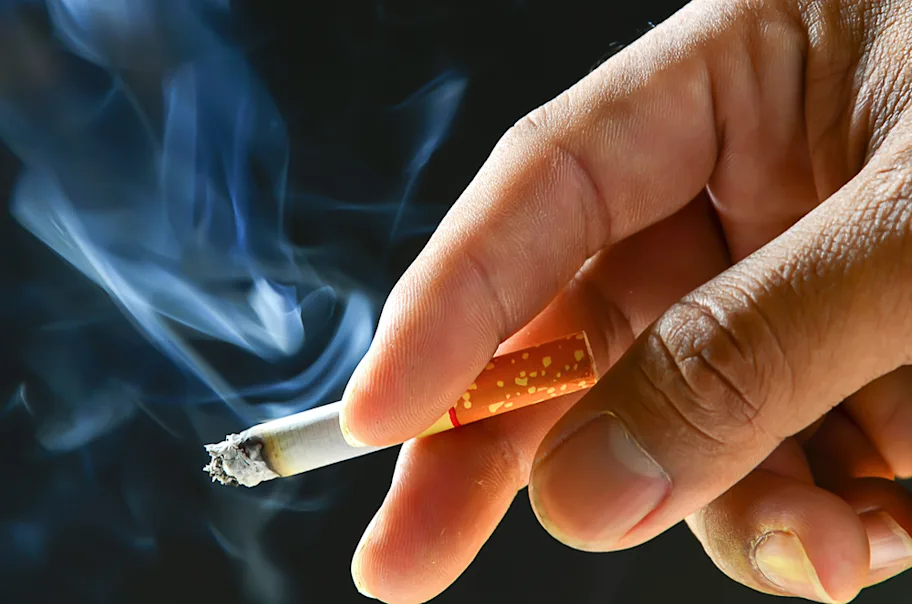
Smoking negatively affects:
- Blood circulation
- Infection risk
- Scar healing
- Fat survival rate
Even secondhand smoke may negatively affect healing.
At AVAN TOKYO, we strongly recommend smoking cessation for all fat transfer breast augmentation patients.
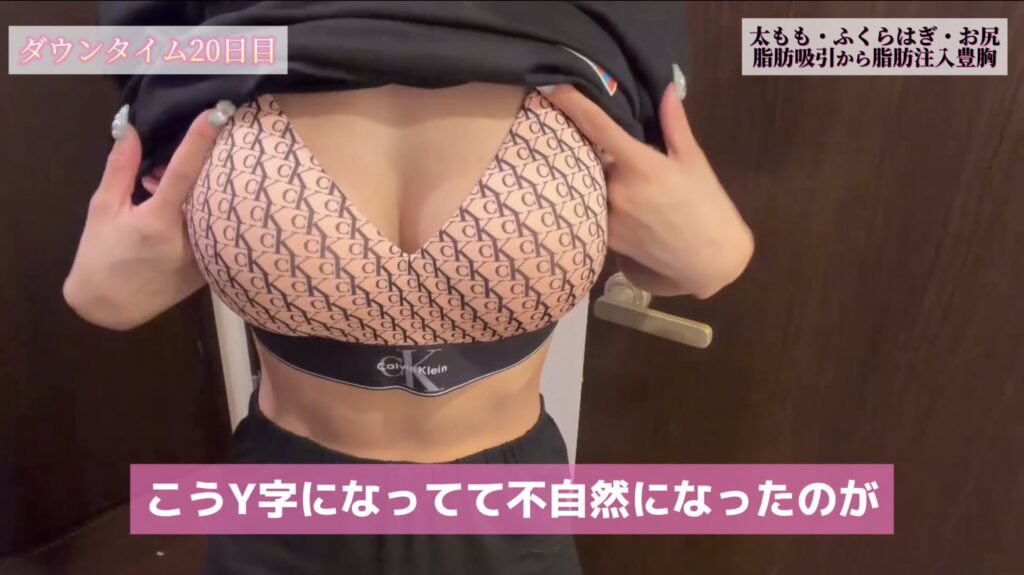
Case Example: Excellent Post-Operative Management
This patient managed her recovery period extremely carefully with:
- Smoking cessation
- Anti-inflammatory nutrition
- Adequate sleep
- Blood circulation management
She consistently maintained a diet rich in:
- Soy milk
- High protein
- Anti-inflammatory foods
As a result, fat survival in the décolletage and cleavage areas has been exceptionally good.
Surgery Alone Does Not Create Beautiful Results
Fat transfer breast augmentation is not a procedure where the surgeon alone creates success.
Results are also heavily influenced by:
- Nutrition
- Sleep
- Smoking habits
- Weight stability
- Blood circulation
For this reason, AVAN TOKYO places strong emphasis on post-operative management.
AVAN TOKYO’s Philosophy on Fat Transfer Breast Augmentation
At AVAN TOKYO, we focus on creating:
- Natural breast contours
- Smooth décolletage lines
- Beautiful cleavage
- Harmonious upper body balance
We believe that breast augmentation is not simply about:
“How much volume is added.”
What matters more is:
“How beautifully the fat survives.”
Conclusion
After fat transfer breast augmentation, patients should focus on:
- Smoking cessation
- Anti-inflammatory nutrition
- Adequate sleep
- Healthy circulation
for at least the first 1–1.5 months after surgery.
Especially in the:
- Décolletage
- Cleavage (midline)
post-operative management can significantly affect fat survival.
At AVAN TOKYO, we believe beautiful breast augmentation results are created not only through surgery itself, but also through careful recovery management.