



Deep, aching pain at the back of the neck after long desk work — how to avoid mistaking cervical facet syndrome for a cervical disc herniation or cervical radiculopathy: Dr. Moriwaki on facet degeneration at C5-6/C6-7, its referred pain to the occiput and interscapular region, and where stem cell conditioned media periarticular injection can address the intra-articular inflammatory environment — and where it cannot correct the underlying structural degeneration itself2026.08.07
A dull, deep ache running from the back of the neck down between the shoulder blades after hours of desk work or smartphone use — for many people, this is dismissed as ordinary “stiff shoulders” or a suspected cervical disc herniation, when in fact cervical facet syndrome is hiding underneath. The condition is driven by degeneration and inflammation of the small posterior joints of the cervical spine (facet joints), and characteristically worsens with neck extension and rotation. In this article, Dr. Moriwaki honestly outlines what stem cell conditioned media periarticular injection can and cannot do for this pathology, an area where regenerative options are expanding alongside those already established for the lumbar spine.
Key Points of This Article
・Cervical facet syndrome is joint-derived neck pain caused by degeneration and inflammation of the posterior facet joints, most often at the C5-6 and C6-7 levels
・Pain worsens with cervical extension and rotation, and may radiate as dull cervicogenic pain to the occiput and interscapular region
・Stem cell conditioned media periarticular injection to the cervical facets aims to modify the intra- and periarticular inflammatory environment; it does not reverse osteophytes or joint-space narrowing themselves
・If neurological findings such as arm numbness, weakness, or loss of fine motor control are present, MRI evaluation and diagnosis by an orthopedic specialist take priority
What is cervical facet syndrome — degeneration of the posterior elements and a chronic inflammatory cycle
The cervical spine has seven vertebrae, each with a pair of posterior facet joints on the right and left. These synovial joints connect adjacent vertebrae and support the three-dimensional movements of the neck — extension, lateral flexion, and rotation — and their joint capsules are richly innervated by nociceptors. With aging, prolonged poor posture, and repeated cervical loading, facet cartilage wears down, the joint space narrows, and synovitis and osteophyte formation progress, giving rise to chronic joint-derived neck pain. This is cervical facet syndrome.
The C5-6 and C6-7 levels are particularly mobile within the cervical spine, and degeneration tends to concentrate there. When the intra-articular inflammatory cycle becomes chronic, nociceptors around the joint capsule are continuously stimulated, producing referred pain to the occiput (cervicogenic headache) and a dull, aching sensation in the interscapular and upper back region. Attributing this referral pattern to “stiff shoulders” or a herniated disc alone leads to treatment that misses the true pain generator.
First, rule out cervical disc herniation and radiculopathy
When assessing a patient with chronic neck pain, the first line to draw is between three broad categories: disc-derived, nerve-root-derived, and joint-derived pain. Cervical disc herniation and cervical spondylotic radiculopathy typically produce radicular pain, numbness, and weakness in a dermatomal distribution down the arm, and neurological findings can be confirmed with the Spurling test and manual muscle testing.
Facet-joint-derived neck pain, by contrast, is predominantly a local, joint-derived pain, often without clear distal numbness or paralysis, and presents as axial neck pain provoked by extension and rotation. Getting this distinction wrong means periarticular conditioned media injection will miss the primary source of the symptoms. For general information on joint disorders, please refer to the guidelines of the Japanese Orthopaedic Association.
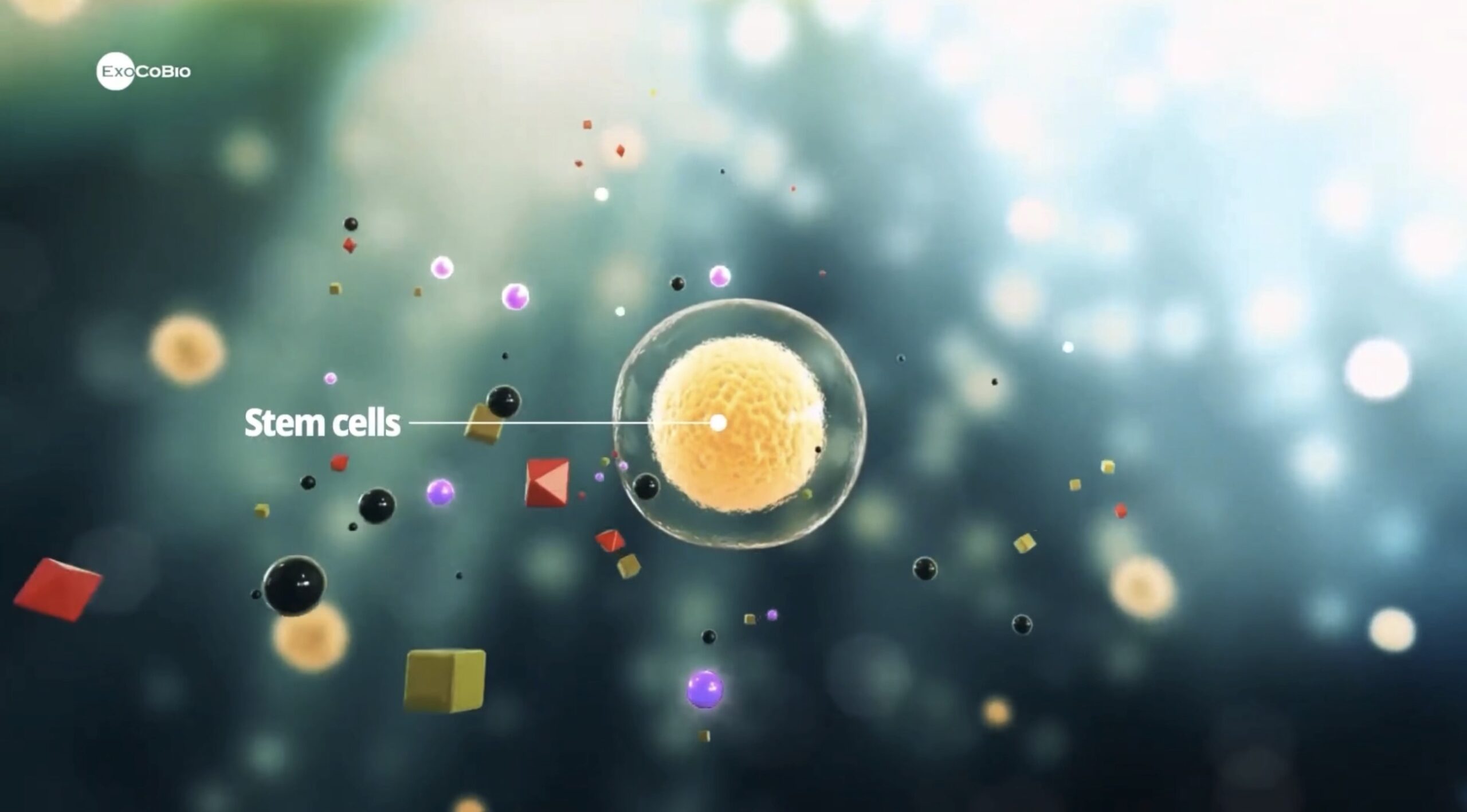
What stem cell conditioned media periarticular injection can and cannot achieve in cervical facet syndrome
Stem cell conditioned media is a mixture of secreted factors obtained after culturing mesenchymal stem cells, and contains TGF-β, IGF-1, HGF, VEGF, and various anti-inflammatory cytokines. When administered around the cervical facet joints in this condition, the goal is to calm the chronic intra-articular synovitis and reset the baseline of the inflammatory cascade that drives the pain.
However, this injection does not restore the underlying structural degeneration — osteophytes or joint-space narrowing — of the facet joint itself. In cases where nerve roots are clearly compressed by osteophytes with objective neurological deficits, or where the cervical cord itself is compressed producing myelopathic signs (loss of fine motor control, gait disturbance), orthopedic evaluation and consideration of surgical indications take priority over conditioned media alone. Honestly drawing the line between “the inflammatory environment we can influence” and “the structural change we cannot reverse” is essential in designing treatment for this pathology. For more details, see our information on stem cell conditioned media joint injections.
Treatment design — injection alone is not enough
Treatment for this condition does not end at the injection. Posture correction (especially reversing the forward head position adopted while looking down at phones and monitors), targeted exercise focused on deep cervical flexor strengthening, adjusting pillow height at night, and building rest rhythms into long desk-work sessions form the foundation for preventing recurrence. Stem cell conditioned media periarticular injection is best positioned as a way to “interrupt the chronic inflammatory cycle once” on top of this conservative base, which also makes its effects easier to evaluate. Response is assessed over weeks to months using pain scores, range of motion, and functional limitations. If the response is poor, having a pre-defined decision axis — continue, modify, or return for orthopedic re-evaluation — is important. Effects vary between individuals; success is not guaranteed for everyone.
Frequently Asked Questions
Q. How is cervical facet syndrome different from stiff shoulders or frozen shoulder?
Stiff shoulders describe muscle-tension symptoms centered on the trapezius and levator scapulae, while frozen shoulder (adhesive capsulitis) is a capsular inflammation of the glenohumeral joint. Facet-joint-derived neck pain is distinct from both: it is joint-derived pain from degeneration and inflammation of the small posterior cervical joints, characterized by axial neck pain worsened by extension and rotation, along with referred pain to the occiput and interscapular region. Clinical findings and imaging are used to make the distinction.
Q. Does a single periarticular stem cell conditioned media injection work?
Responses vary between individuals — some feel enough benefit from one injection, while others require several sessions to gauge the response. A common design is several injections during an induction phase, then progressively longer intervals in a maintenance phase. Response is judged objectively over weeks to months using changes in pain scores, range of motion, and daily-life function.
Q. Can I have this treatment if I have arm numbness or weakness?
If you have numbness, weakness, or loss of fine motor control in the upper limbs (difficulty buttoning shirts, using chopsticks, etc.), cervical disc herniation, cervical radiculopathy, or cervical myelopathy are possible. Please prioritize MRI evaluation and diagnosis by an orthopedic specialist first. Proceeding with periarticular injections without first clarifying the neurological background is not appropriate.
Q. Are there things to be careful about after the injection?
On the day of the injection, avoid vigorous exercise, prolonged neck-flexed postures, alcohol, and hot baths, while returning to normal daily activities. A transient flare-up of pain (post-injection flare) may occasionally occur for a few days. If red-flag signs such as fever, severe persistent pain, neck swelling, or worsening arm numbness appear, please seek medical care promptly.
Q. Should I do rehabilitation in parallel?
Yes. Exercise therapy focused on deep cervical flexor strengthening and posture correction is important for maintaining the lower inflammatory baseline achieved by the injection. Rehabilitation is easier to engage in once pain has been reduced by the injection, so the two are complementary.
──────────────
【Medical Supervisor】Shin Moriwaki (Supervising Physician)
Member, Japan Society of Aesthetic Surgery (JSAS) / Member, American Academy of Aesthetic Medicine
ECFMG Certificate
──────────────
📍AVAN TOKYO Ginza Joint Regenerative Medicine
AVAN TOKYO Ginza Joint Regenerative Medicine
English / 中文 / Tiếng Việt available
Inquiries welcomed via DM / LINE / Website / Phone.