


Hybrid Breast Augmentation Case Study | 1 Month After Surgery2026.08.01
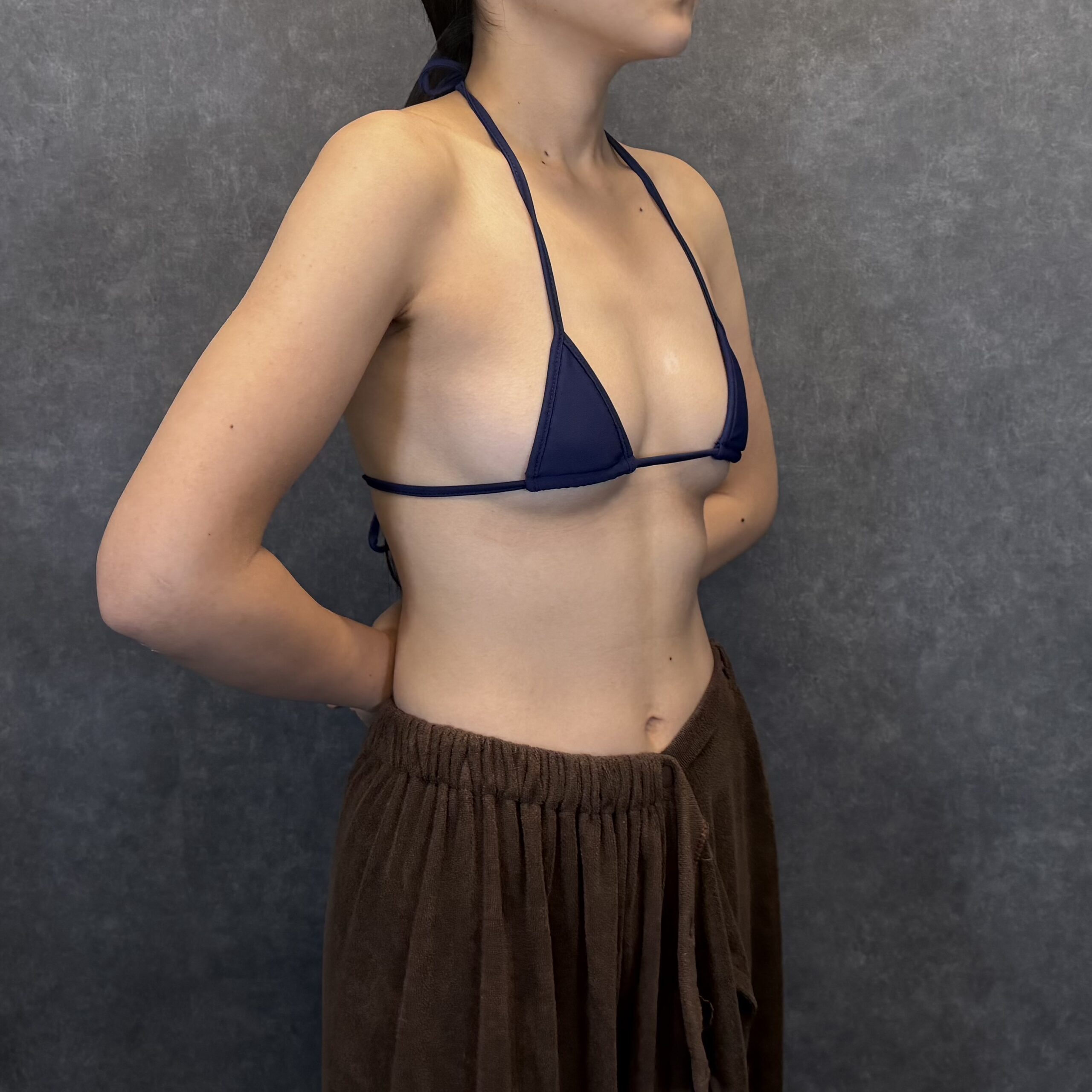
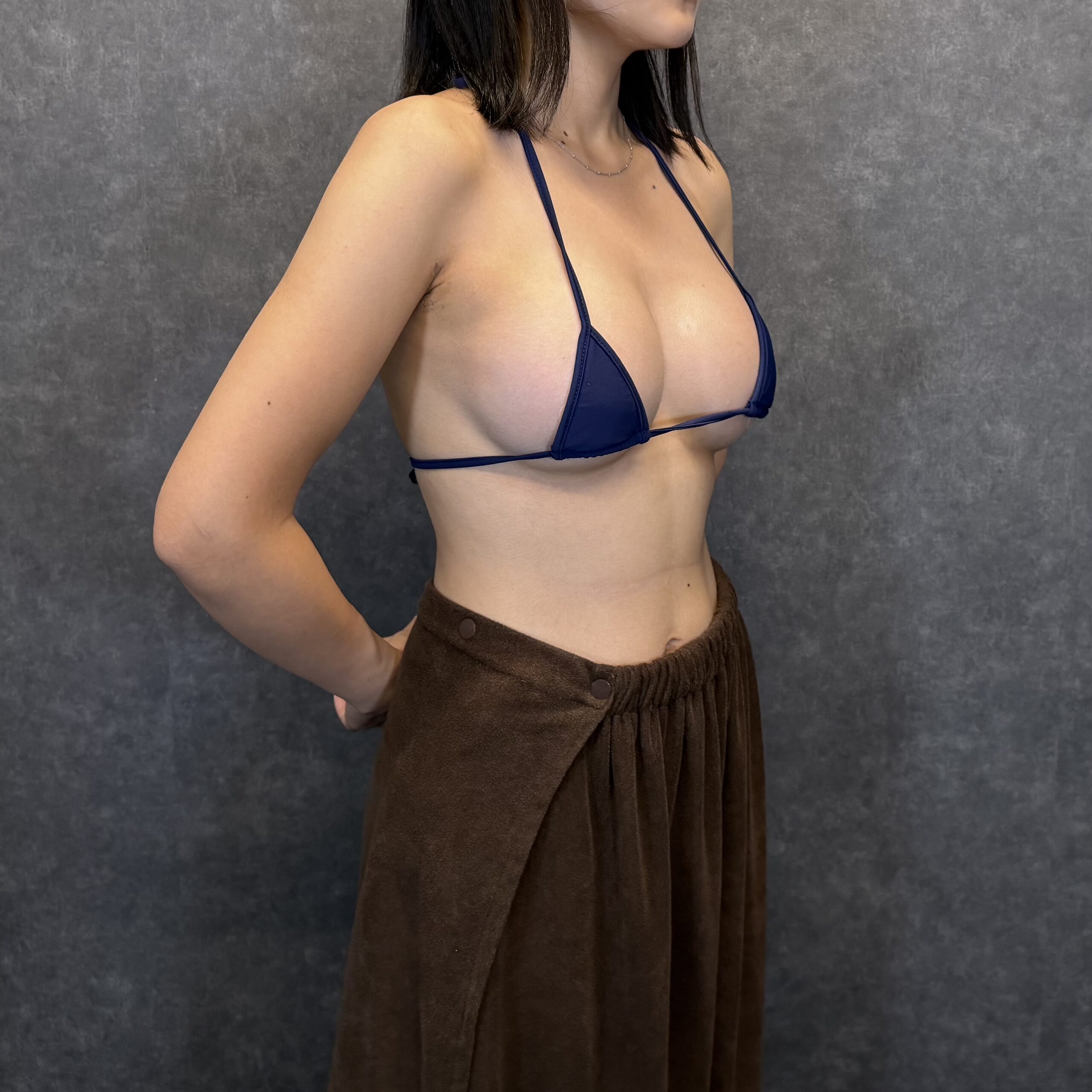
Thigh Liposuction + Motiva Mini 295 cc for Natural Volume and Beautiful Breast Contours
“I want a fuller bust.”
“But I also want it to look and feel natural.”
For patients seeking both reliable volume and a natural appearance, Hybrid Breast Augmentation—combining silicone implants with autologous fat transfer—has become an increasingly popular option.
At AVAN TOKYO, our goal is not simply to enlarge the breasts. We focus on creating harmonious body proportions, designing a smooth and elegant transition from the décolletage to the breasts and waist.
Today, we would like to share a case one month after surgery.
Patient Information
Patient
22-year-old female
Procedures
• Thigh liposuction
• Hybrid Breast Augmentation
Implants
• Motiva Mini 295 cc
• Subglandular placement
Fat Harvest
• Approximately 450 mL of fat harvested from the thighs
• Processed by centrifugation and concentrated to 235 mL of purified fat
Fat Transfer
• Right breast: 95 mL
• Left breast: 85 mL
Follow-up
• 1 month after surgery
Recovery at One Month
At one month after surgery, it is completely normal for the breasts to still feel firm and tight.
This firmness is part of the normal healing process as postoperative swelling gradually resolves and the tissues continue to recover.
Most patients notice progressive softening and a more natural appearance over the following months, with significant improvement typically occurring between three and six months after surgery.
We will continue to share this patient’s recovery as her results continue to evolve.
What Is Hybrid Breast Augmentation?
Hybrid Breast Augmentation combines silicone implants with autologous fat grafting.
The implant provides stable, predictable volume, while carefully placed fat grafts improve the natural contour and softness of the breast.
This combination helps:
• Create a smoother transition from the upper chest (décolletage) to the breast
• Reduce visible implant edges
• Improve softness and natural feel
• Enhance three-dimensional breast contours
By combining the advantages of both techniques, Hybrid Breast Augmentation can achieve results that are often difficult to obtain with implants or fat grafting alone.
Our Approach to Fat Transfer
Successful fat grafting is not simply about transferring the largest possible volume.
At AVAN TOKYO, we carefully process the harvested fat through centrifugation to select high-quality fat cells before transplantation.
The purified fat is then injected into carefully planned anatomical layers to encourage long-term graft survival while maintaining a smooth, natural breast contour.
Every treatment plan is customized according to each patient’s anatomy and aesthetic goals.
Postoperative Care Matters
Hybrid Breast Augmentation does not end when surgery is completed.
Proper postoperative care plays an important role during recovery.
We recommend following your surgeon’s instructions carefully, including:
• Wearing an appropriate wireless bra during the early recovery period
• Maintaining adequate protein intake and balanced nutrition
• Avoiding unnecessary pressure on the breasts
• Attending scheduled follow-up appointments
At AVAN TOKYO, we continue to support our patients throughout the recovery process to help them achieve the best possible long-term results.
Surgeon’s Comment
Beautiful breast augmentation is not determined by implant size alone.
Long-lasting, natural results depend on selecting the appropriate implant, placing it in the correct anatomical plane, carefully processing and grafting fat, and providing comprehensive postoperative care.
At AVAN TOKYO, every Hybrid Breast Augmentation is individually designed based on anatomy, body proportions, and the patient’s goals.
Our objective is not simply to create larger breasts—but to achieve elegant, natural-looking results that continue to look beautiful six months, one year, and many years after surgery.
This case is published with the patient’s informed consent.
Surgical outcomes and fat graft survival vary among individuals.
This article is intended for patient education and should not replace an individualized consultation with a qualified plastic surgeon.