


Precautions When Injecting ADSC-Conditioned Media (Including Exosomes) Into the Knee Joint2026.03.01
— Understanding the Benefits and the Limitations —
Adipose-derived stem cell conditioned media (ADSC-CM), including exosomes, has gained attention as a regenerative option for knee pain because of its anti-inflammatory and joint-supportive effects.
However, it is crucial for patients to understand what this treatment can and cannot do.
1. Effective for early to moderate osteoarthritis — not advanced deformity
Osteoarthritis (OA) progresses in stages:
- Early: cartilage surface begins to roughen
- Early–mid: inflammation causes pain
- Mid: joint space becomes narrower
- Late: bones directly contact each other (severe deformity)
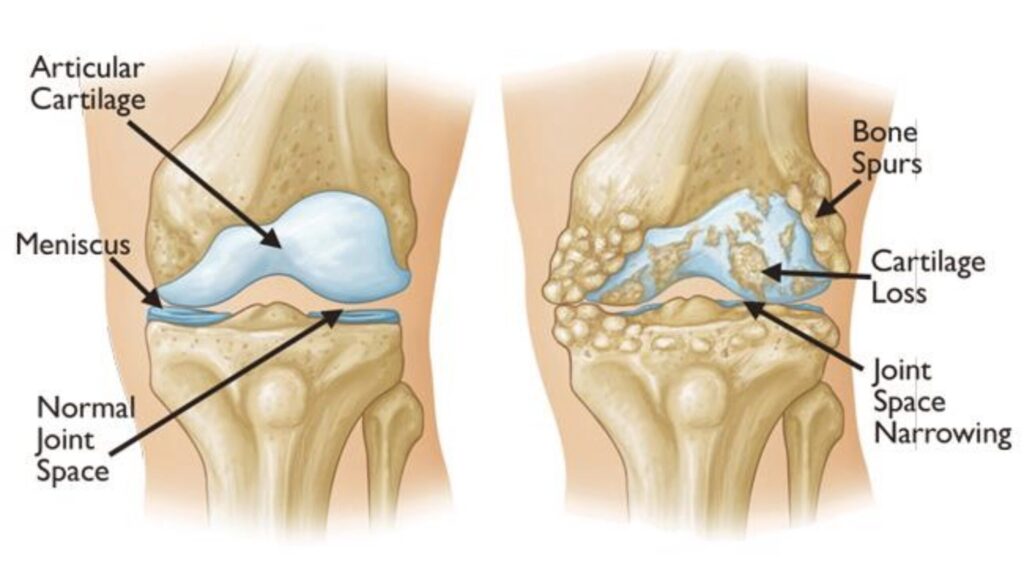
★ ADSC-CM is most beneficial in early–mid OA.
It helps by:
- Reducing synovial inflammation
- Improving the biological environment of cartilage
- Supporting microvascular function
- Reducing pain during daily activities
But in advanced or end-stage OA:
- Joint space is severely narrowed
- Bone-to-bone contact
- Significant deformity (severe bowing)
- Loss of extension or flexion
→ Injection therapy cannot reverse structural destruction.
→ Surgery such as knee replacement or osteotomy becomes the definitive treatment.
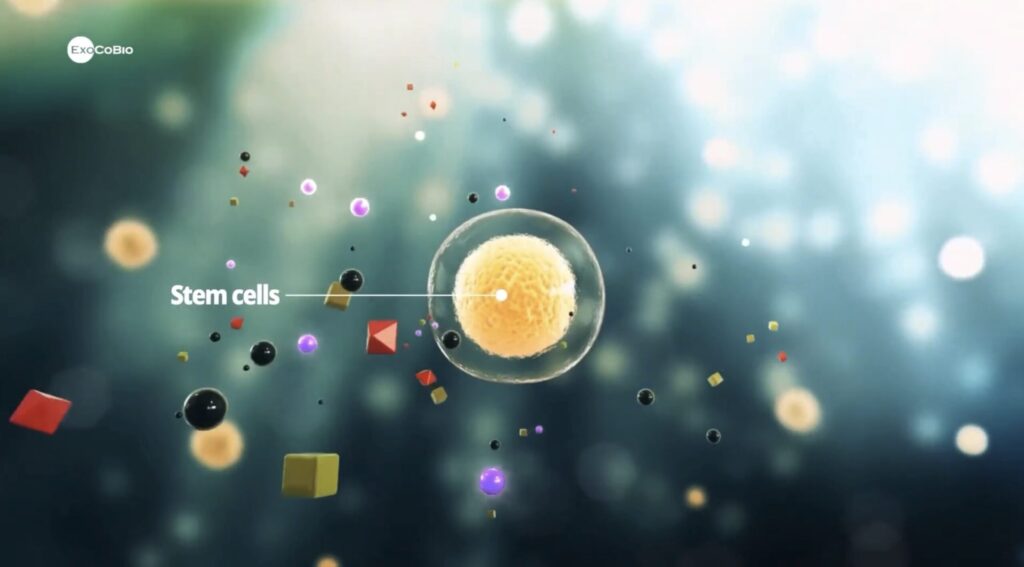
**2. ADSC-CM improves pain through anti-inflammatory effects,
but does not regenerate severely worn cartilage**
A crucial point for patients:
✔ Can: reduce inflammation and pain
✘ Cannot: restore cartilage to its original thickness
ADSC-CM works by:
- IL-10 and other anti-inflammatory cytokines
- HGF and TGF-β improving tissue repair
- VEGF supporting microcirculation
- Reducing the inflammatory cascade in the joint
This leads to improved comfort, but it does not rebuild lost cartilage, which is the key limitation.
3. Who is suitable for ADSC-CM?
✔ Good candidates
- Early–mid OA
- Pain caused mainly by inflammation
- Difficulty with stairs, walking, squatting
- Mild deformity
- Want to delay or avoid surgery
✘ Not suitable / limited benefit
- End-stage OA
- Severe O-shape or X-shape deformity
- Bone-on-bone contact
- Knee cannot fully bend or straighten
→ Surgical correction is required.
Conclusion
ADSC-CM (with exosomes) is excellent for reducing inflammation and pain,
but it is not a cartilage-regeneration treatment.
It is most effective when used in early–moderate OA,
while advanced deformity requires structural surgical intervention.