


Does Stem Cell Conditioned Media Work for AGA?—Evidence and Clinical Insights2026.02.25
When it comes to AGA (male pattern hair loss),
the standard treatments have long been finasteride, dutasteride, and minoxidil.
However, in recent years,
Stem Cell Conditioned Media (SCCM) has gained global attention in hair-regeneration clinics.
So the real question is:
“Does SCCM actually work for AGA?”
Here is the clear conclusion based on medical evidence and the clinical experience at AVAN TOKYO.
■ Conclusion: SCCM is not a medication that directly cures AGA — but…
SCCM does not inhibit 5α-reductase
and does not reduce androgen sensitivity.
In other words:
1. It is NOT a drug that directly stops AGA progression
→ This role belongs to finasteride and dutasteride.
However,
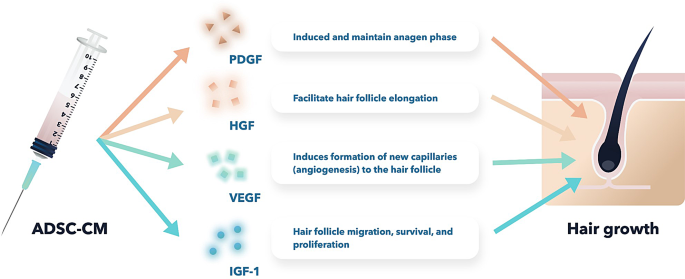
2. SCCM has a very powerful ability to restore the “scalp micro-environment” damaged by AGA
And in clinical practice,
this environmental recovery is often the key to visible improvement.
■ So what exactly does SCCM do? (Evidence + clinical experience)
SCCM contains high concentrations of
growth factors, cytokines, and exosomes,
which work on the micro-environment surrounding the hair follicle.
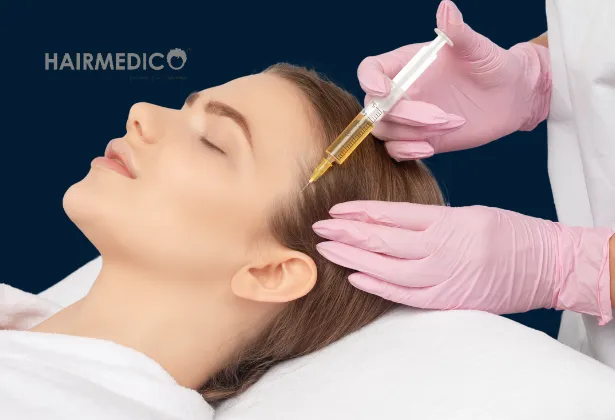
1. Reduces micro-inflammation around the follicle — a hidden driver of AGA
Micro-inflammation contributes to:
- Follicle shrinkage
- Shortened growth phase
- Thinner hairs
SCCM strongly suppresses inflammation.
Clinically, many patients experience:
→ noticeable reduction of hair shedding
2. Reactivates follicular stem cells → thicker hair growth
By acting on the stem cell niche, SCCM helps restore the growth cycle.
Common improvements include:
✔ Thickening of miniaturized hairs
✔ Improved strength and elasticity
✔ Increased transition from resting → growth phase
3. Especially effective for women (FAGA / diffuse thinning)
Female thinning is often caused by:
- Chronic inflammation
- Poor circulation
- Nutritional deficiency around follicles
This is exactly where SCCM is most effective.
It works well for:
- Widening part lines
- Overall thinning
- Postpartum hair loss
- Stress-related shedding
4. Completely different from salon “exosome” treatments
Most salon “exosome/SCM treatments” use cosmetic-grade, extremely low-concentration products.
Medical-grade SCCM delivers
therapeutic concentrations directly around the follicle.
At AVAN TOKYO,
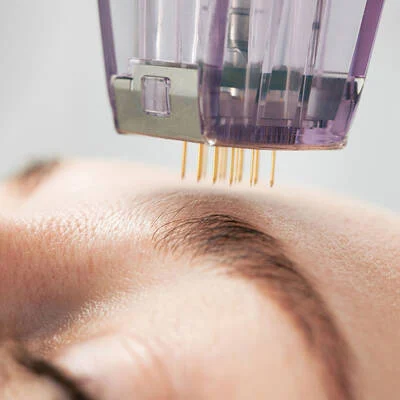
SCCM is combined with Morpheus8 drug delivery,
allowing far deeper and more efficient absorption.
■ Who responds well to SCCM? (AVAN TOKYO impressions)
● Patients who “maintain but don’t improve” with AGA medication
→ SCCM often helps increase hair thickness and density.
● Patients who cannot tolerate minoxidil side effects
→ SCCM reduces shedding naturally.
● Women with diffuse thinning
→ One of the highest satisfaction groups.
● Postpartum or stress-related sudden shedding
→ Faster recovery is often observed.
● Men wanting to thicken fine baby hairs on the hairline
→ Good follicular activation.
■ Morpheus8 × SCCM: A new standard for AGA care
The scalp has a thick keratin layer, making simple topical absorption poor.
AVAN TOKYO therefore uses:
Morpheus8 Scalp Treatment × SCCM
Benefits:
- Creates micro-channels
- RF energy boosts circulation & cell activity
- SCCM reaches the follicle at high concentration
→ Hair thickening becomes significantly faster
■ Recommended treatment frequency
● Reduce shedding
Every 2–4 weeks × 3–6 sessions
● Thicken fine hairs
Monthly × 3–4 sessions
● Women’s diffuse thinning
Every 1–1.5 months × 4–6 sessions
● Enhanced plan with Morpheus8
Every 1–2 months × 2–4 sessions
■ Final message: AGA treatment is no longer “medication only”
- Medication stops AGA
- SCCM improves the environment
- Morpheus8 maximizes absorption and activation
These three together create
an environment where hair actually grows thicker.
Only a select few clinics can design this combined protocol scientifically.
AVAN TOKYO integrates
surgery × regenerative medicine × scalp science
to create the optimal conditions for real hair regrowth.