


Facial Water Light Injection and Scalp Conditioned Media Injection Are Both “Injections” — But Not the Same: Dr. Moriwaki on the Differences in Target Layer, Purpose, and Evaluation2026.07.21
“I’ve been getting water light injections in my face, so I can think of the scalp conditioned media injection the same way, right?” — this is a question we frequently receive at the clinic. Both techniques use fine needles to deliver a solution to a shallow layer, and at first glance they look similar. But the skin thickness, the depth at which hair follicles reside, and the vascular structure differ between the face and the scalp. The target layer, the purpose, and even the yardstick for evaluation are all different. If you oversimplify by calling it “a water light injection for the scalp,” the impact that scalp conditioned media injection can realistically have on the perifollicular environment tends to fall short. In this column, our supervising physician explains how delivering stem cell conditioned media into the scalp differs from a water light injection.
Key Points of This Article
・Water light injection primarily targets the superficial dermis of the face, using moisture-retaining ingredients, amino acids, and vitamins to improve skin quality.
・Scalp conditioned media injection targets the perifollicular microenvironment, using signaling molecules such as growth factors and exosomes to act on the hair cycle.
・Because skin thickness, follicle depth, and the galea aponeurotica differ, needle depth, injection density, and volume must be designed completely differently.
・Evaluation indicators also differ: face is judged by skin quality, texture, and pores; scalp by hair caliber, hair density, and the anagen ratio.
・The two are not competitors and can be combined. However, whether both can be done on the same day depends on skin barrier condition and infection control.
What Actually Differs Between Water Light Injection and Scalp Conditioned Media Injection
Even when two procedures both look like “injections,” if the target tissue and the purpose differ, the technique that should be designed differs fundamentally. Water light injection and scalp conditioned media injection are a prime example.
Water Light Injection: Delivering “Moisture Components Plus α” to the Superficial Dermis
What is generally called water light injection is a technique that injects a cocktail containing hyaluronic acid, amino acids, vitamins, and growth factors into a very shallow layer of the facial or cervical skin, such as the cheeks, forehead, or neck. The target layer is around the papillary dermis to the entrance of the reticular dermis, aiming to improve the “skin quality” — hydration, skin barrier, texture, and dullness. Multi-needle devices with 9 or 5 needles create uniform shallow injection points across the surface.
Scalp Conditioned Media Injection: Delivering “Signaling Molecules” to the Perifollicular Environment
On the other hand, scalp conditioned media injection delivers a cocktail of cytokines, growth factors, and exosomes — secreted into the culture medium by mesenchymal stem cells — to the tissue surrounding the depth where hair follicles actually reside. What is being targeted is not skin texture, but the microenvironment around the bulge region of the follicle and the dermal papilla. The purpose is to create conditions in which signaling molecules such as VEGF, IGF-1, and HGF can function, so we can begin to address the vicious cycle of shortened anagen phase and follicular miniaturization. What we evaluate for scalp conditioned media injection is not texture or hydration, but hair thickness, hair count, and the cycle of hair renewal.
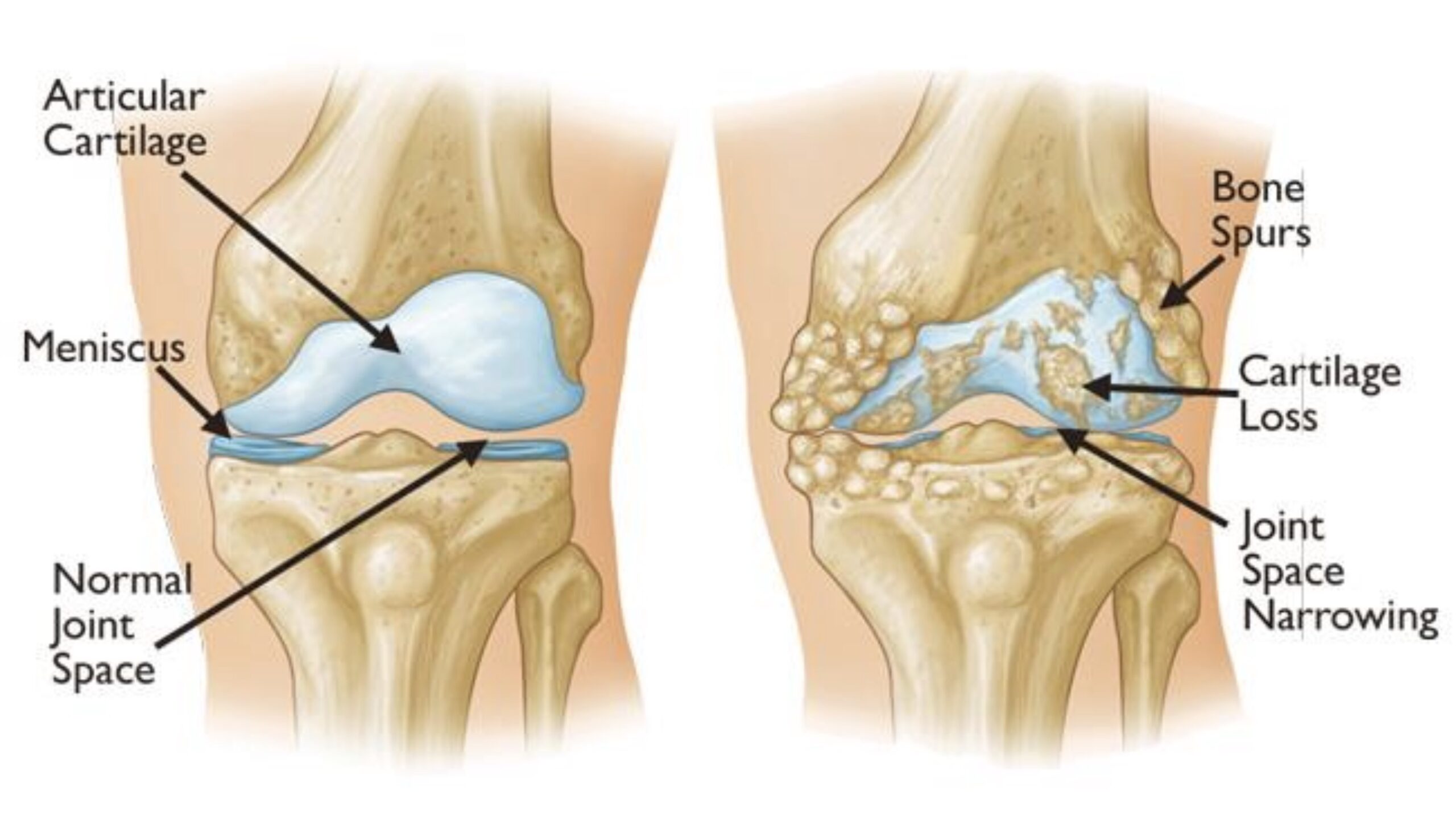
The “Target Layer” Really Is This Different
Skin Thickness and Structure Differ Between Face and Scalp
Skin thickness on the cheek varies by individual, but is generally around 1.5 to 2 mm, and some areas of the forehead are even thinner. The scalp, on the other hand, is around 3 to 8 mm thick depending on the region, and beneath the epidermis and dermis lies the strong fibrous layer known as the galea aponeurotica. Hair follicles are densely distributed in the middle to lower dermis. Even when we say “shallow injection” in the same words, targeting 1.0 to 1.5 mm on the face and targeting 1.0 to 1.5 mm on the scalp reach entirely different tissues. On the face, 1.5 mm corresponds to the middle of the dermis, but on the scalp, 1.5 mm sometimes does not yet reach even the upper part of the follicle.
Scalp Conditioned Media Injection Targets the “Bulge to Dermal Papilla Vicinity”
The bulge region where follicular stem cells gather, and the dermal papilla that governs hair growth, are located in the middle to lower dermis of the scalp. Bringing the components of conditioned media “close to that layer” is the design philosophy of scalp conditioned media injection. Needle depth is generally aimed at around 1.5 to 2.5 mm and is finely adjusted based on the region (frontal, vertex, occipital), age, scalp thickness, and prior scalp treatment history. Please understand that this differs fundamentally in its philosophy of depth from water light injection, which distributes shallow points broadly across the surface.
Purpose and Evaluation Indicators Also Differ
Water Light Injection Is Evaluated by “Skin Quality”
The effect of water light injection is judged by hydration, sebum balance, pore condition, texture, and dullness. Standardized skin photography and moisture measurement devices are the basic yardsticks used to track “surface texture.” The timeline is relatively short — many people feel a sense of hydration within days to weeks after the procedure.
Scalp Hair Treatment Is Evaluated by “Hair Caliber, Hair Density, and Hair Cycle”
By contrast, scalp conditioned media injection is evaluated using a microscope to track variation in hair caliber, hairs per follicular ostium, and the proportion of anagen hair. The timeline for effects is also different: because it moves along the hair cycle, a sense of change requires several months. Initial changes in hair quality and firmness are seen around three months, and trends in caliber and density become properly evaluable around six months. If patients misunderstand this as “a water light for the scalp,” expectation and reality diverge. For a broader picture of AGA care, materials from the Japanese Dermatological Association are also useful references.
For Those Who Want Both — A Realistic Way to Combine Them
Facial water light injection and scalp conditioned media injection are not in competition. In fact, they are a reasonable combination for patients who want to think of the face and scalp as a unified anti-aging strategy. Whether both can be done on the same day, however, is judged from a combination of factors: skin condition (atopic dermatitis, rosacea, inflammatory acne), infection control, the area covered by topical anesthetic, and post-procedure restrictions on bathing and hair care. In the 24 to 48 hours immediately after scalp needling, the microscopic wounds have not fully closed, so vigorous shampooing and hair styling products should be avoided during that window. We schedule based on each individual’s situation, so please consult us in the outpatient setting. If you wish to browse other topics, please see the list of related hair regenerative medicine columns.
Frequently Asked Questions
Q. If my clinic offers water light injection, can I also receive scalp conditioned media injection there?
If the same clinic offers both menus, it is technically possible, but scalp conditioned media injection requires separate expertise in follicle depth design, injection point spacing, and quality verification of the product used. It is safer to confirm the clinic’s experience with the scalp and its product management system before deciding.
Q. Can water light injection and scalp conditioned media injection be done on the same day?
If your general condition, skin inflammatory status, and treatment area are fine, same-day treatment is an option. However, considering pain, the area covered by topical anesthetic, and lifestyle restrictions afterward (hair washing, bathing, exercise), we may deliberately schedule them on separate days. Medical priority is assessed individually.
Q. How soon can I feel the effect of scalp conditioned media injection?
Given the hair cycle, it is reasonable to evaluate initial changes in hair quality and firmness at around three months, and changes in hair caliber and density at around six months. It is important not to expect the same speed as the immediate skin quality improvement seen with water light injection. Individual variation also matters, and the appearance of change differs depending on whether oral or topical treatments are used in combination.
Q. Do you use the same product for face and scalp?
We may use the same lot for different purposes, or use a formulation with viscosity and concentration optimized for the scalp. At our clinic, we verify cell source, manufacturing facility, and test items before adoption, and we explain the appropriate use for each patient.
Q. Is scalp conditioned media injection painful?
Topical anesthetic cream reduces discomfort, but because the scalp has dense nerve distribution and needles reach layers close to bone, some patients feel stronger pressure and vibration compared with facial water light injection. If the response is intense, we adjust injection point density, volume per session, and injection speed.
──────────────
Supervising Physician: Shin Moriwaki, MD
Member, Japan Society of Aesthetic Surgery (JSAS) / Member, American Academy of Aesthetic Medicine
ECFMG Certificate
──────────────
📍AVAN TOKYO Ginza Hair Regenerative Medicine
English / 中文 / Tiếng Việt supported.
Inquiries via DM / LINE / Website / Phone.