


Designing an AGA Treatment Protocol for Men Starting in Their 40s — Rethinking the Goal Under the Reality of Declining Follicle Reserves and Recovery Capacity2026.07.15
I want to start AGA treatment in my 40s — when that thought arrives, one question many men share is whether the same protocol used for people in their 20s and 30s can simply be applied as is. AGA treatment in your 40s benefits most from a plan built on two premises: the follicle reserves that have already been lost to date, and the gradual decline in cellular recovery capacity that comes with age. Putting the combination of oral drugs, topical drugs, and stem cell conditioned media together with realistic goal setting into words at the very first visit is the shortest way to avoid detours. In this article, from the standpoint of Dr. Moriwaki, who leads hair regenerative medicine at AVAN TOKYO Ginza, we organize a way of thinking about protocol design for men beginning to face AGA from this decade of life.
Key Points of This Article
・AGA treatment in your 40s is best designed backward from “the reserve of follicles you still have,” not from “the hair volume you had ten years ago”
・Follicle recovery capacity gradually declines with age, so plan on the premise that visible change takes longer than in the 20s–30s
・A realistic two-layer design combines “defense” — halting progression with oral and topical drugs — with “offense” — working on the follicular microenvironment with stem cell conditioned media
・Replace “return to the original volume” with a goal of “maintain current density and recover density within a possible range”
・Before treatment begins, share the evaluation checkpoints (3, 6, and 12 months) and the criteria for continue / change / stop with your physician
Two Premises to Hold in Mind for AGA Treatment in Your 40s
When starting AGA treatment in your 40s, the first thing to organize is a clear reading of the current scalp: what remains and what has already been lost. Rather than importing a protocol built for the 20s or 30s as is, the plan needs to depart from premises specific to this decade.
How to Assess Remaining Follicle Reserves
AGA is a progressive form of hair loss in which follicles influenced by DHT (dihydrotestosterone) from puberty onward gradually miniaturize, and eventually the function of the follicle itself declines. If no treatment has been undertaken by the time a man reaches his 40s, the crown and hairline often show a mix of miniaturized follicles and vellus-hair follicles. Under a microscope, a single pore may produce thick, thin, and short hairs at the same time, or there may be pores with no hair at all, and the degree of progression varies markedly by region. Protocol design begins with drawing this “map of what remains.”
Cellular Recovery Capacity Changes with Age
The second premise is the recovery capacity of the cells surrounding the follicle. With aging, the proliferative ability and signal responsiveness of dermal papilla cells and hair follicle stem cells are known to decline gradually. Given the same treatment, some lag in the ramp-up of the hair growth cycle is unavoidable between the 20s and the 40s. If this is not understood and the judgment “nothing has changed after three months” is made too early, treatment may be stopped just before response would have begun to show. It is essential to build in a premise of “the time lag until visible change begins.”
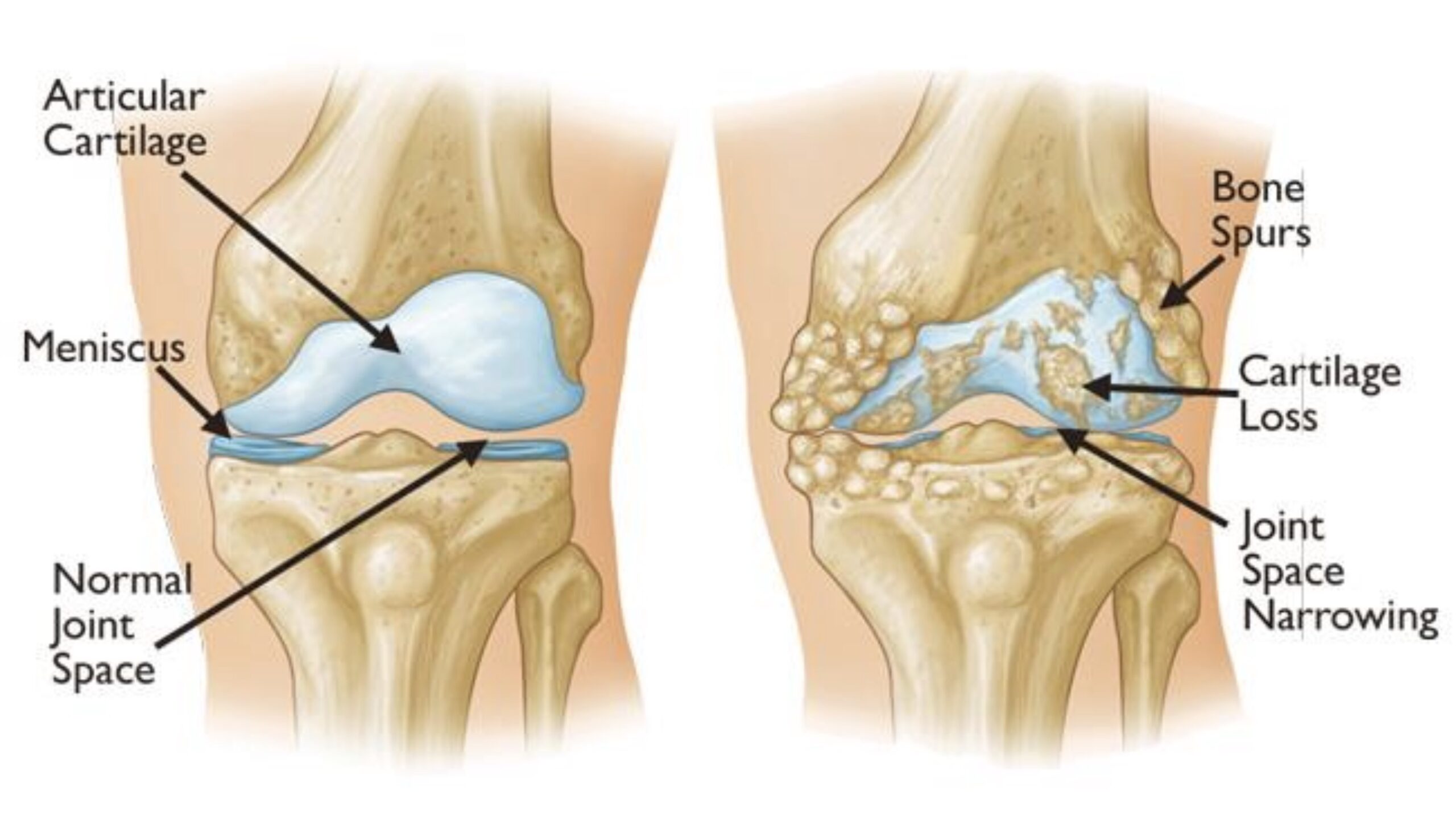
An AGA Treatment Protocol for Your 40s Built on Two Layers: Defense and Offense
Once the premises are organized, the actual treatment build-up begins. Here, a two-layer design of “defense to stop progression” and “offense to promote recovery” is realistic.
Oral and Topical Drugs Are the Foundation of Defense
5-alpha reductase inhibitors such as finasteride and dutasteride suppress DHT production and slow follicle miniaturization. Topical minoxidil acts on perifollicular blood flow and the maintenance of the anagen phase. Building the foundation of “not losing any more of the follicles you currently have” with these two agents is the top priority. Before growing hair from zero, protecting the follicles that remain will shape density down the road. Side effects and compatibility with individual physiology vary, so it is essential to consult a physician with the full background of comorbidities, concurrent medications, liver function, and other factors before starting.
Stem Cell Conditioned Media Is the Move of Offense
On top of that defensive foundation, combining stem cell conditioned media scalp treatment is the advanced layer. Stem cell conditioned media contains growth factors such as VEGF, IGF-1, HGF, and FGF, along with exosomes, and at the basic research level has been reported to act on the follicular microenvironment to support anagen maintenance and follicle stem cell activation. However, conditioned media is not a magic drug that grows hair from pores that have already lost their follicles. Positioning it honestly as a complementary approach that conditions the environment around miniaturizing follicles and widens the room for oral and topical drugs to work is the truthful use.
Rethinking the Goal of AGA Treatment in Your 40s
The most important thing in treatment is not to set “returning to the head of one’s 20s” as the goal. Some of the follicles already lost cannot be brought back completely with any current medical intervention. Building from this fact, replacing it with realistic goals — “maintain the current density ten years from now,” “raise density by one or two levels in a bothersome area” — dramatically changes satisfaction with treatment.
Efficacy is assessed at checkpoints such as 3, 6, and 12 months, combining standardized photography, trichoscopy, and subjective symptoms. When response feels sparse, first confirm that the recording conditions are aligned, and then share the decision to continue, add, or stop with the physician.
For more detailed treatment design and past articles, please refer to the list of related hair regenerative medicine articles here. For guidance on AGA treatment, please also consult the guidelines on male and female pattern hair loss from the Japanese Dermatological Association.
Frequently Asked Questions
Q. Does it make sense to start AGA treatment from my 40s?
Yes, it makes sense. Protecting the follicles you currently have will greatly influence the density you will have in ten and twenty years. The goal is placed on “not losing more and recovering density within a possible range,” not on “returning to the original volume.” Because response varies with the degree of progression and individual differences, it is important to share a realistic goal with your physician before starting.
Q. When can I expect to see the effects of treatment?
Generally, the effects of oral and topical drugs appear at 3–6 months, while changes from scalp treatment including stem cell conditioned media are often felt after a time lag of several months to more than half a year. Due to the hair cycle, temporary early shedding may occur. Avoid judging too early at the 3-month point, and evaluate with aligned objective indicators at checkpoints such as 6 and 12 months.
Q. I am worried about the side effects of oral drugs. Can I be treated with stem cell conditioned media alone?
It is possible as an option, but if oral drugs are excluded, the “foundation that stops progression” becomes weaker, and the design must account for a higher hurdle in maintaining density. For those in whom finasteride or dutasteride is not constitutionally suitable, a protocol combining topical treatment with stem cell conditioned media may be considered. Please decide the direction with your physician after weighing comorbidities, condition, and priorities.
Q. How long does AGA treatment starting in one’s 40s need to continue?
AGA is a progressive form of hair loss, so if treatment is stopped, the original pace of progression may gradually return. In AGA treatment in your 40s, an “induction phase (a time to recover density)” and a “maintenance phase (a time to keep the current state)” are considered separately, and once the maintenance phase is entered, visit frequency and drug combinations are often adjusted. It is reassuring to discuss both “how to stop” and “maintenance cost” with your physician at the first visit.
Q. Is there anything I can prepare on my own before starting treatment?
Keeping fixed-point photographs (same lighting, same angle, same hair length) of the crown, hairline, and whorl helps you compare change objectively after treatment begins. Also, sharing the family pattern of thinning, past self-care history, and current medications with your physician at the first visit makes diagnosis and protocol design go more smoothly.
──────────────
Supervising physician: Shin Moriwaki, MD
Member, Japan Society of Aesthetic Surgery (JSAS)
Member, American Academy of Aesthetic Medicine
ECFMG Certificate
──────────────
📍AVAN TOKYO Ginza Hair Regenerative Medicine
AVAN TOKYO 銀座 毛髪再生医療
English / 中文 / Tiếng Việt supported
Inquiries welcome via DM / LINE / Website / Phone.