


Why Adipose-Derived Stem Cell Conditioned Media (ADSC-CM) Is Effective for Knee Joint Pain2026.02.27
— A Medical Comparison With Steroids, Hyaluronic Acid, and PRP —
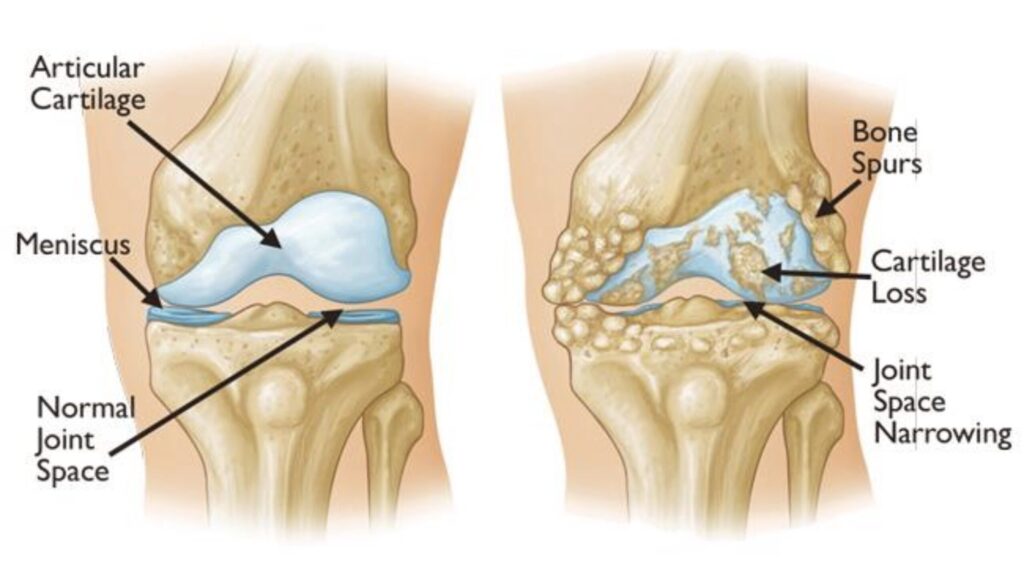
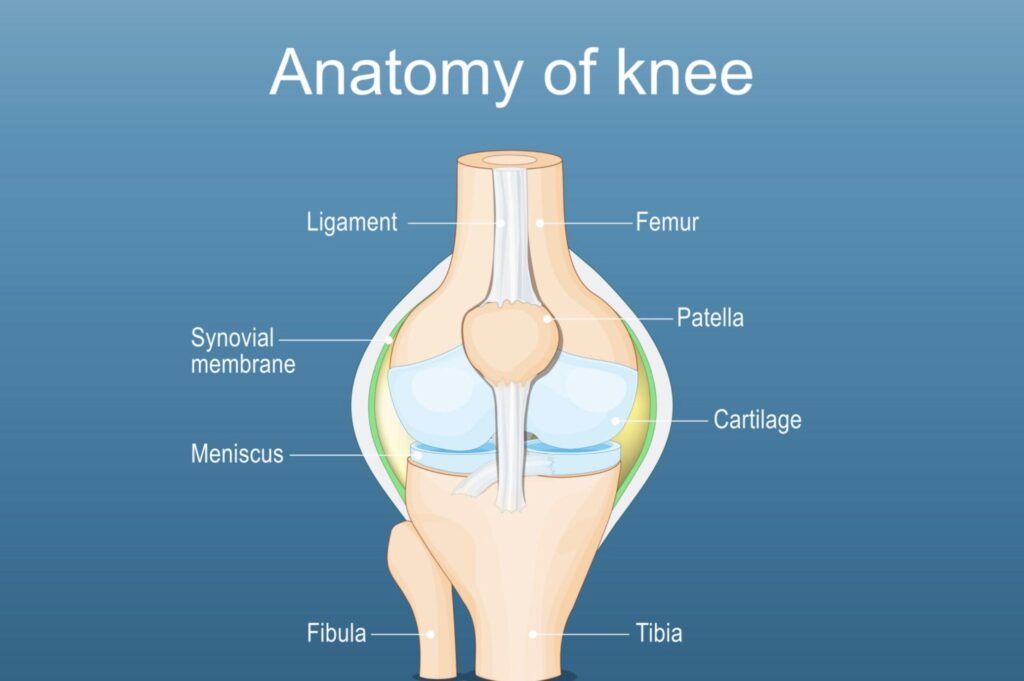
Knee pain is often caused by cartilage degeneration, chronic inflammation, synovitis, or meniscal changes.
ADSC-Conditioned Media (ADSC-CM) has gained attention as a next-generation regenerative treatment because it contains anti-inflammatory cytokines, growth factors, and tissue-repair molecules secreted by stem cells—without injecting the stem cells themselves.
Below is a scientific explanation of how ADSC-CM benefits the knee joint compared with traditional treatments.
1. Anti-inflammatory effects: fundamental improvement unlike steroids
Steroid injections provide quick pain relief but have major limitations:
- Short-term effect only
- Repeated injections may damage cartilage
- Increased infection risk due to immune suppression
In contrast, ADSC-CM reduces inflammation without suppressing immunity.
Key anti-inflammatory components in ADSC-CM
- IL-10 (strong anti-inflammatory)
- TGF-β (tissue repair)
- HGF (anti-inflammatory + angiogenesis)
- PDGF (healing promotion)
→ ADSC-CM reduces chronic synovitis and inflammation at the source, improving joint biology rather than masking pain.
2. Lower infection risk compared with steroids
Steroids weaken immune activity, which increases the risk of septic arthritis.
ADSC-CM:
- Does not suppress immunity
- Has immunomodulatory (balancing) effects
- Contains antimicrobial peptides in some formulations
→ Significantly lower infection risk, making it suitable even for athletes or elderly patients.
3. Longer-lasting joint improvement compared with hyaluronic acid
Hyaluronic acid injections offer temporary benefits:
- Lubrication
- Shock absorption
But do not regenerate cartilage or reduce inflammation long term.
ADSC-CM promotes long-term improvement:
- VEGF → new microvascular growth
- FGF-2 → cartilage matrix remodeling
- IGF-1 → protects chondrocytes
→ ADSC-CM improves the joint environment itself, with the potential for longer-term symptom relief and slowed degeneration.
4. Much richer cytokine profile compared with PRP
PRP contains growth factors, but only those derived from platelets.
Its limitations:
- Narrow range of cytokines
- Moderate regenerative ability
- Quality varies by patient age/condition
ADSC-CM contains hundreds of bioactive molecules, such as:
- FGF-2
- HGF
- IGF-1
- VEGF
- IL-10, IL-1Ra
→ Broader, stronger, and more consistent regenerative and anti-inflammatory effects than PRP.
5. Overall medical benefits for knee joints
- Reduces chronic inflammation
- Protects and supports cartilage
- Improves long-term outcomes better than HA/PRP
- Much safer than steroids
- Enhances the joint’s healing environment
Conclusion: ADSC-CM Is a Regenerative Treatment That Supports the Future of the Knee Joint
Steroid = fast but risky
Hyaluronic acid = temporary
PRP = limited
ADSC-CM = regenerative, safe, and long-lasting
For those seeking fundamental improvement rather than temporary relief, ADSC-CM is a highly rational option.