


Why Hair Shedding Doesn’t Stop for Months After Starting Iron Supplements — Dr. Moriwaki on the Ferritin Recovery Hair Cycle Lag and How Stem Cell Culture Supernatant Can Run Alongside It2026.07.27
“Your ferritin was low, so I prescribed iron” — you follow the instructions faithfully, yet two or three months later your hair is still visibly falling. This is one of the most common sources of confusion in a women’s diffuse hair loss clinic. In reality, there is a much longer time lag than most patients expect between ferritin recovery and hair cycle response. Even when blood work improves, hair follicles need a separate timeline to reset their cycle, and without understanding this structure, patients often mistake it for treatment failure and stop iron on their own. In this article, Dr. Shin Moriwaki, our supervising physician, walks through the medical reasons why hair loss doesn’t stop immediately after starting iron, and how stem cell culture supernatant scalp therapy can run alongside that recovery gap.
Key Points
・Iron therapy first restores circulating hemoglobin; ferritin (stored iron) catches up over months, and hair follicles respond last.
・The ferritin recovery hair cycle lag is roughly 3–6 months. Continued shedding during this window usually means “the follicles are still queuing,” not “the treatment isn’t working.”
・Documenting the sequence — iron intake, lab values, then scalp changes — with standardized photos and repeat blood tests keeps you from switching therapy prematurely.
・Stem cell culture supernatant scalp therapy is not a substitute for iron, but as a complementary option it can address the scalp microenvironment layer during the recovery phase.
Breaking Down “Why Shedding Continues Despite Iron” Medically
Serum Hemoglobin and Serum Ferritin Mean Different Things
When women with diffuse hair loss have blood drawn, hemoglobin and ferritin are usually measured together. The two terms look similar but reflect very different “inventories.” Hemoglobin reflects the flow inventory currently circulating in blood; ferritin reflects the stored inventory kept in the liver, bone marrow, and elsewhere.
Once iron therapy begins, the body prioritizes hemoglobin synthesis because oxygen transport is directly tied to survival. Symptoms such as breathlessness, palpitations, and lightheadedness often improve within weeks. Ferritin, however, rises only on a scale of months. Scalp follicles rank low on the body’s survival hierarchy, so they are literally kept waiting until stored iron is replenished.
The Time Gap Between Stored Iron Recovery and the Follicle Response
What makes this trickier is that hair does not start growing the moment ferritin reaches its target. New hair replacing lost hair requires matrix cells to re-enter anagen from telogen and then physically grow several millimeters until visible at the skin surface. There is a structural ferritin recovery hair cycle lag: for most women, meaningful change takes 3–6 months, and improvements in hair caliber and body take 6–12 months.
Patients who don’t know about this lag may stop iron on their own thinking “nothing has changed after three months,” and the ferritin they had been building back up drops again — right back to the edge of deficiency without becoming outright anemic.
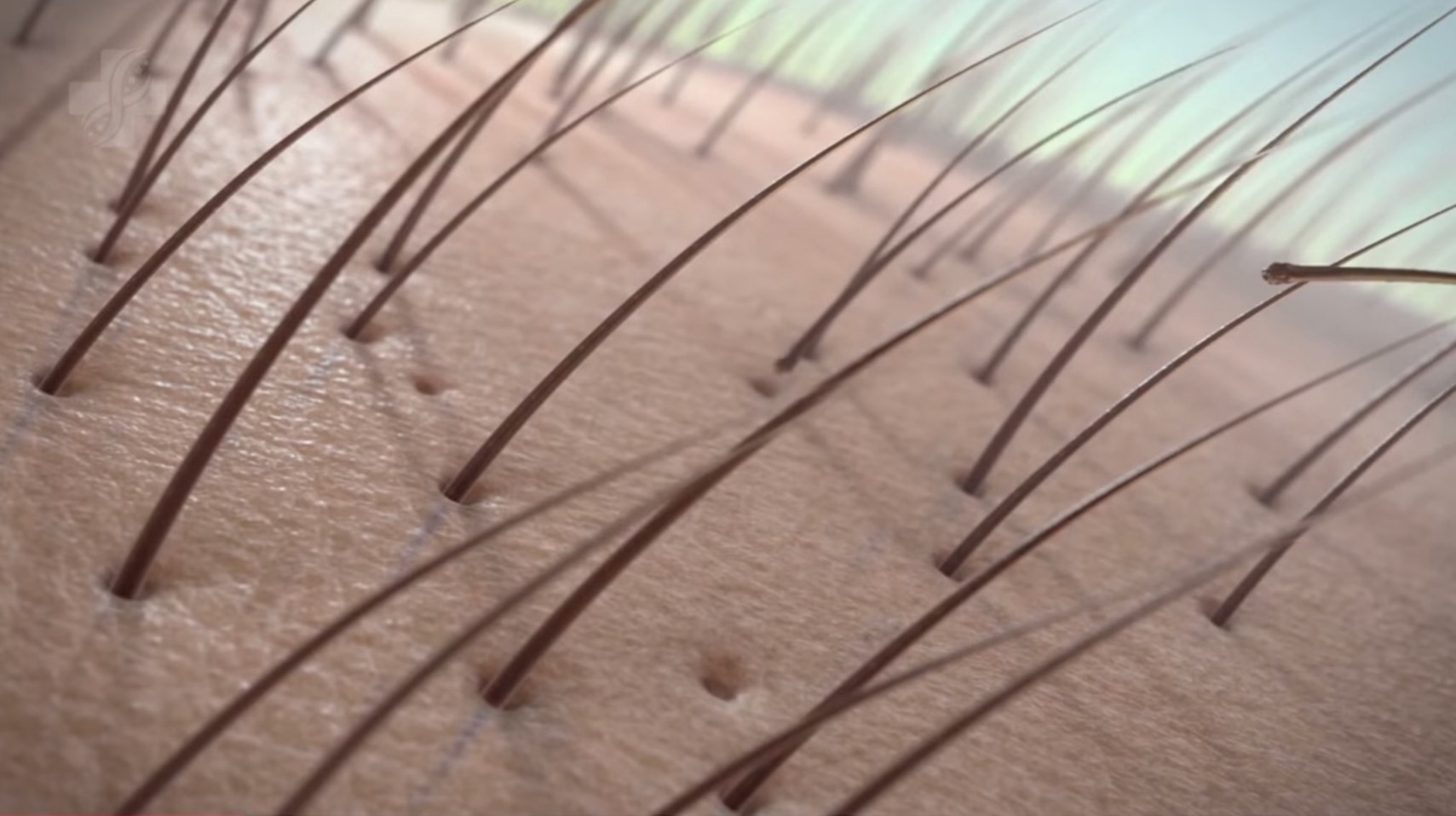
Reading the Hair Cycle Timeline: How Many Months Until Visible Change
Anagen, Catagen, Telogen, and Iron
Each hair follicle cycles through anagen (2–6 years), catagen (about two weeks), and telogen (around three months). Chronic iron deficiency shortens anagen, sending hairs into telogen while they are still thin and short. The result is the classic picture of diffuse thinning: “more short, fine hairs in the shower” and “the part line showing through.”
When iron therapy restores stored iron, telogen follicles are gradually pushed out by new anagen hairs — but not all at once. Each follicle reboots on its own schedule, so it takes additional months before density change is visible in photos. Conversely, what is shedding during this window is often old telogen hair being pushed out from below by new hair — a phenomenon known as shedding.
Objective Markers to Avoid Premature Panic at Three to Six Months
Subjective impressions of “more or less” are heavily influenced by daily lighting and styling. Standardized photos taken from the same position, distance, and lighting — and, if possible, microscope-based hair caliber distribution records — let you track the ferritin recovery hair cycle lag objectively. Photograph monthly, capturing three angles: hairline, crown, and part line. Recheck ferritin and hemoglobin every three months, and cross-reference the numbers with the photos to move judgment out of the subjective realm.
What Stem Cell Culture Supernatant Can Do About the Ferritin Recovery Hair Cycle Lag
Addressing the Separate Layer of the Scalp Microenvironment
Iron therapy supplies “raw materials”; stem cell culture supernatant conditions “the factory environment.” The supernatant contains multiple growth factors reported to act on dermal papilla cells (IGF-1, VEGF, HGF, KGF, and others) along with anti-inflammatory cytokines, and is thought to work multifacetedly on the follicular microenvironment — blood vessels, fibroblasts, and immune cells around the follicle.
However, injecting supernatant into follicles still deprived of iron will not solve the underlying material shortage. It is positioned as a rebuild of the scalp environment running alongside iron repletion, dietary improvement, and sleep. Individual responses vary, and we always clarify at first consultation that supernatant scalp therapy alone does not guarantee regrowth.
How to Combine Oral Iron, Diet, and Injection
Clinically, we often continue oral iron while adding monthly scalp injections of supernatant for three to six months — supplying materials from within while rebuilding the environment from outside. Heme-rich foods (red meat, liver, bonito), spreading protein across three meals a day, and protecting sleep hours between roughly 22:00 and 02:00 all belong to the same conversation. For a broader view of our treatment flow and related cases, see the hair regenerative medicine column archive; for general information on iron deficiency and hormonal alopecia, refer to public materials from the Japanese Dermatological Association.
Frequently Asked Questions
Q. How many months after starting iron will shedding begin to slow?
There is individual variation, but the volume of shedding typically starts to decrease around three months, and visible density change is generally recognized around six months. Hemoglobin improvement is felt within weeks, but the ferritin recovery hair cycle lag means the hair itself always responds later.
Q. Can I stop iron once ferritin reaches the target level?
Women who menstruate continue to lose iron, so the standard approach is to switch to a maintenance dose or space out follow-up testing rather than stopping outright. Starting and stopping on your own causes stored iron to swing up and down and makes it harder to reset the hair cycle.
Q. Can stem cell culture supernatant scalp therapy replace iron?
No. If iron, protein, or vitamins are lacking, no amount of growth factor delivered to the scalp will let follicles assemble a hair. Supernatant is a complementary option that provides a “more workable environment” for a scalp whose materials are being replenished.
Q. Is it safe to start scalp injections while shedding is still active?
Ongoing shedding does not mean follicles are dormant. Building a better environment during the recovery phase — when telogen hairs are being pushed out — actually makes sense. That said, treatment should be postponed during fever, infection, or acute scalp dermatitis.
Q. When and how should I judge effectiveness?
Monthly standardized photos, hair caliber records every three months, and a repeat ferritin/hemoglobin check at six months are the minimum recommended set. Following numbers and images rather than subjective impressions is the key to riding through the ferritin recovery hair cycle lag without giving up.
──────────────
Supervising Physician: Shin Moriwaki, MD
Member, Japan Society of Aesthetic Surgery (JSAS) / Member, American Academy of Aesthetic Medicine
ECFMG Certificate
──────────────
📍AVAN TOKYO 銀座 毛髪再生医療
AVAN TOKYO Ginza Hair Regenerative Medicine
English / 中文 / Tiếng Việt available
Inquiries welcome via DM / LINE / Website / Phone.