


Can You Have Scalp Stem Cell Conditioned Media Treatment Right After a Fever, Infection, or Vaccination? — Dr. Moriwaki Outlines Postponement Criteria for Supernatant Scalp Treatment and the Safety Margin for Restart2026.07.25
Should you cancel a scheduled hair regenerative procedure on a day when you don’t feel well? In the outpatient clinic, this is a decision that many patients ask about right before their appointment. Fever, sore throat, gastroenteritis, an infection under treatment, and vaccinations for influenza or COVID — the body is exposed to immunological events like these on a daily basis. The concept to keep as an anchor here is the postponement criteria for supernatant scalp treatment. Pushing through a session under poor conditions not only makes the effect harder to draw out, but can, in rare cases, eat into the safety margin. In this article, from the perspective of a supervising physician, we organize when scalp treatment using stem cell conditioned media should be deferred and how to think about the timing of restart, along everyday life scenarios.
Key Points of This Article
・The postponement criteria for supernatant scalp treatment center on “days with fever, acute infection, or a strong inflammatory response”
・Space a few days to about one week before and after vaccination so that the injection and the immune response do not overlap
・Skipping one or two sessions due to poor health does not require restarting the entire treatment when viewed on the scale of the hair cycle
・Gray-zone situations such as a mild fever, light cough, menstruation, or strong hay fever should not be self-judged — consult the treating physician in advance
・Rescheduling rather than pushing through by self-judgment is often, in the end, the shorter route to the goal
Why We Choose to “Postpone” Scalp Treatment When You Are Unwell
Scalp treatment using stem cell conditioned media consists of procedures that deliver the components while creating microscopic wounds on the scalp — fine-needle injection, microneedling, and RF needling. Although it is easy to overlook in daily life, the scalp is rich in capillaries, and there is a period right after treatment when the skin barrier is temporarily weakened. If pathogens that could act as a source of infection are circulating throughout the body during this window, it is theoretically impossible to deny that the local reaction may differ from usual.
The burden of putting a needle into the scalp during an infection or fever
On a day when you have a fever around 38°C, your entire body is in acute inflammation mode. When cytokines are elevated in the blood due to bacterial pharyngitis, bronchitis, or urinary tract infection, creating fine wounds on the scalp can lead to swelling and pain that are stronger than usual. In addition, when antibiotics are being taken, secondary changes such as gastrointestinal symptoms and skin reactions can overlap with the post-treatment course and make evaluation difficult. From both a safety perspective and a treatment-evaluation perspective, deferring treatment when unwell is the rational choice.
Why the immune response changes how treatment works
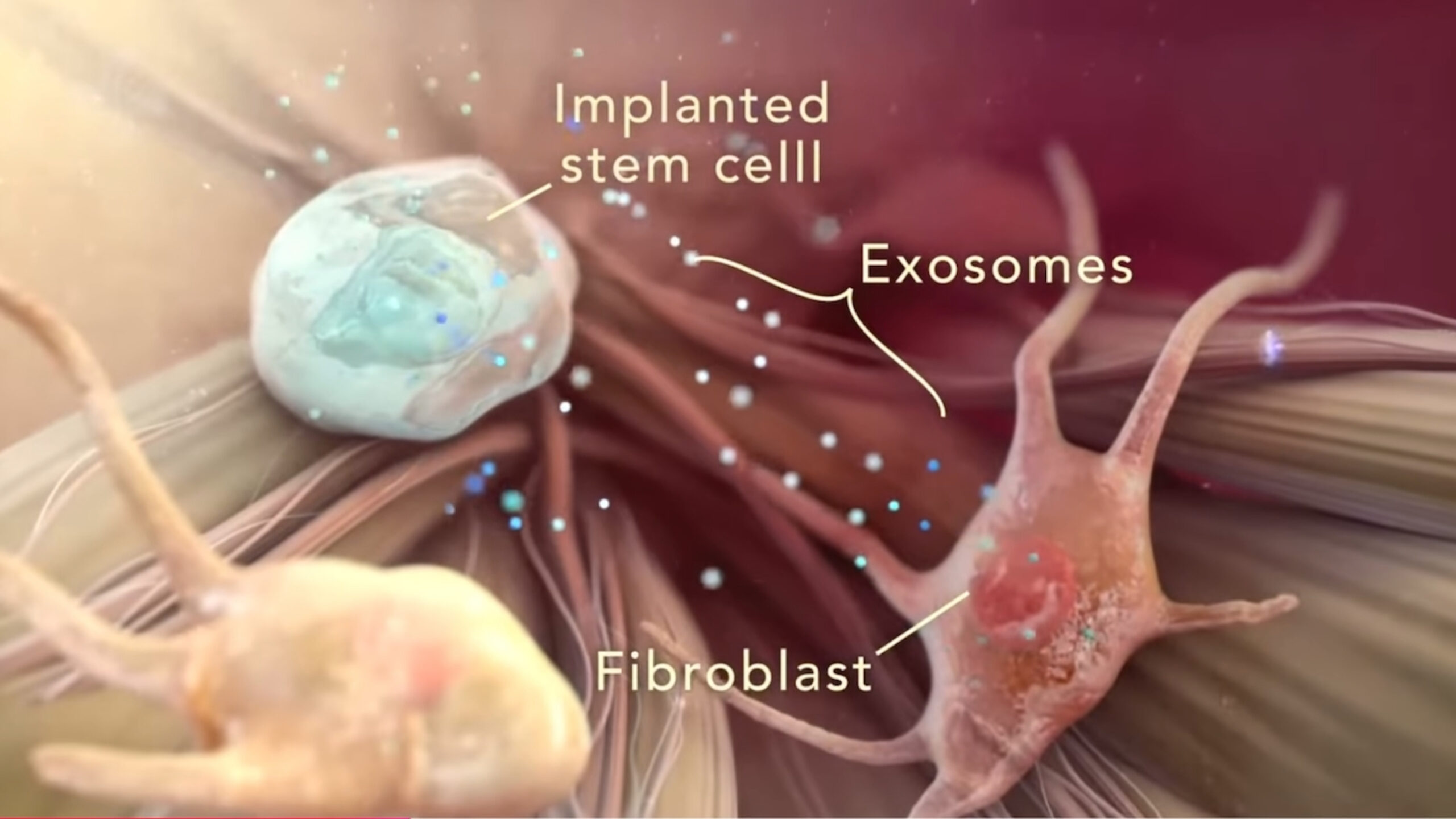
The growth factors, cytokines, and exosomes contained in stem cell conditioned media are thought to act on the scalp microenvironment to help balance peri-follicular inflammation and blood flow. If a new signal is layered onto the scalp while the body is dealing with a separate infection, it becomes hard to judge whether the follicles are receiving the intended effect. Even if changes after treatment are poor, it becomes impossible to separate whether that reflects “insufficient response to the supernatant” or “systemic depletion caused by the infection.” This is a large loss from the standpoint of treatment design.
Postponement Criteria for Supernatant Scalp Treatment — Items You Can Self-Check Before Your Visit
Clearly deferrable conditions
・Fever above 37.5°C, or an antipyretic taken by the morning of the day
・During treatment for an acute infection, while on antibiotics or antivirals
・Widespread active acne, pustules, eczema, or scabs on the scalp
・Herpes or shingles on the head or face, or prodromal symptoms (tingling)
・Strong general fatigue, chills, or joint pain — an obvious sense of being unwell
These clearly meet the postponement criteria for supernatant scalp treatment. Little is gained by forcing the procedure; rescheduling is the preferable choice.
Gray zones that require a consultation-based decision
・Slightly above baseline temperature (around 37°C) with only mild symptoms
・Lingering upper-respiratory symptoms such as rhinitis or a light cough
・Menstrual period with more fatigue than usual
・Strong scalp itch from hay fever
・An adjustment phase of chronic disease (hypertension, diabetes, etc.) with medication changes
Gray zones should not be self-judged. Please contact the clinic in advance and follow the treating physician’s judgment. There are cases where the decision on whether to proceed is made after actually examining the scalp. For more on treatment design and related topics, please also see the list of columns on hair regenerative medicine here.
How Much Time Should Be Allowed Before and After Vaccination
After vaccinations for influenza, COVID-19, shingles, and the like, the body is strengthening its immune response toward antibody production. During this period, fatigue, low-grade fever, and swelling at the injection site may occur, and when these overlap with the post-scalp-treatment course, evaluation becomes difficult. As a rule, our clinic uses the following as guidelines:
・About 2–3 days before vaccination
・About 3–7 days after, when side reactions have largely subsided
Especially right after booster shots or the second dose, when side reactions can be strong, it is safer not to force alignment of the procedure date and to restart scalp treatment only after fully recovering. General dermatology practice, including approaches to skin infections, can also be referenced through the guidelines of the Japanese Dermatological Association.
Timing of Restart — Judging by “How Many Days After Recovery”
When a procedure has been postponed due to a cold or gastroenteritis, restarting on the day symptoms disappear is not appropriate. As guidelines, we set the next appointment after confirming these three points:
・At least 48 hours have passed since defervescence, and the body is back to its normal-condition baseline
・The course of antibiotics and other medications has ended
・No eczema, inflammation, or scabs remain on the scalp
In particular, scalp treatment using stem cell conditioned media is not the type of treatment where “today’s shot changes things by tomorrow” — it works gradually along the timeline of the hair cycle. A one- to two-week postponement is a very short time on the scale of hair growth cycles, and there is no need to hurry to make up for it.
Why You Should Not See Postponement as “Interrupting Treatment”
Many patients hold the misconception that skipping a single session sends the effect back to square one. In reality, scalp treatment using stem cell conditioned media typically follows a design in which a certain frequency is used during the induction phase and then intervals are widened in the maintenance phase, and the hair cycle progresses on the scale of months. A one- to two-week postponement has limited impact on the overall protocol, and having the session under fully sound condition raises the uniformity of injection, the quality of aftercare, and the accuracy of effect evaluation. Following the postponement criteria for supernatant scalp treatment is, in our view, closer to the shortest route than a detour.
Frequently Asked Questions
Q. Should I postpone even for a low-grade fever?
If you are below 37.5°C with no other symptoms and feel solidly well, it is case-by-case. However, if your temperature has not returned to baseline by the morning of the appointment, or if fatigue remains, we recommend rescheduling without forcing it.
Q. How many days after an influenza or COVID vaccine can scalp treatment be restarted?
We use about 3–7 days, after side reactions have settled, as a guideline. When side reactions are strong, waiting a few more days and restarting only after returning to normal-condition baseline is safer.
Q. Can the procedure be performed while on antibiotics?
As a rule, we postpone during the treatment period of an acute infection. We restart after the prescribed course is over and the symptoms of the underlying disease have resolved.
Q. Does menstruation fall under the postponement criteria?
Menstruation itself is not a contraindication, but if you are not feeling well or have symptoms of anemia, rescheduling makes post-procedure recovery smoother as well.
Q. Does a postponement mean the effect resets to zero?
No. Because the hair cycle progresses on a monthly scale, a one- to two-week postponement does not significantly affect the overall treatment design. Preparing your body and then attending is ultimately more efficient than pushing through.
──────────────
Medical Supervisor: Dr. Shin Moriwaki
Japan Society of Aesthetic Surgery (JSAS) Member / American Academy of Aesthetic Medicine Member
ECFMG Certificate
──────────────
📍AVAN TOKYO Ginza Hair Regenerative Medicine
AVAN TOKYO Ginza Hair Regenerative Medicine
English / 中文 / Tiếng Việt supported
Consultations available via DM / LINE / Website / Phone.