


Thyroid Disorders and Hair Loss: Hidden Endocrine Causes and Stem Cell Conditioned Media2026.06.05
In recent years, AGA (androgenetic alopecia) and diffuse hair loss have received the most attention as causes of thinning hair. Yet behind these conditions, undiagnosed thyroid dysfunction is surprisingly common. The thyroid is a central regulator of whole-body metabolism, and its imbalance directly affects the hair cycle. At AVAN TOKYO, we pay particular attention to these often-overlooked endocrine backgrounds and provide hair regenerative medicine based on stem cell conditioned media.
This column explains, from a medical perspective, how thyroid dysfunction relates to hair loss, why standard AGA treatment alone often falls short, and what role stem cell conditioned media plays in such cases.
Thyroid Hormones and the Hair Cycle — An Underappreciated Link
Thyroid hormones (T3 and T4) are powerful signaling molecules that regulate cellular metabolism throughout the body. Hair matrix cells and follicular stem cells are no exception. When thyroid hormone levels are insufficient or excessive, the hair cycle itself becomes disrupted.
Hashimoto’s Disease (Hypothyroidism) and Hair Loss
In hypothyroidism, hair follicles tend to shift from anagen to telogen prematurely, resulting in diffuse loss of hair volume. This is especially common in women, who often describe overall thinning or loss of the lateral third of the eyebrows. Systemic symptoms such as fatigue, weight gain and cold intolerance may accompany it, but hair loss can also be the first and only sign.
Graves’ Disease (Hyperthyroidism) and Hair Loss
In hyperthyroidism, metabolism is abnormally accelerated and the hair cycle is shortened. The anagen phase that normally lasts three to six years is cut short, so hair falls out before reaching full length, leaving behind only fine, short strands. Some patients first notice a change in hair quality before they are aware of palpitations or weight loss.
Why Standard AGA Treatment Alone Is Not Enough
Finasteride and dutasteride suppress DHT (dihydrotestosterone) and are effective for the central mechanism of androgenetic alopecia. However, thyroid-related hair loss compromises follicular function through pathways that are independent of DHT. Even with adequate oral therapy, the expected response is often missing.
What Lies Behind “Ineffective AGA Treatment”
Some patients who say “I’ve been on medication for a year with no improvement” actually have undiagnosed thyroid dysfunction. For AGA guidelines, see the Japanese Dermatological Association, but it is also true that standard guideline-based treatment cannot address every layer of the problem. At AVAN TOKYO, we recommend thyroid function tests (TSH, FT3, FT4) at the first visit when appropriate, in order to identify the true underlying cause.
Diffuse Hair Loss in Women and the Thyroid
Women in their thirties to fifties who notice that their hair has become overall thinner or that their parting has widened may have not only declining estrogen but also subclinical hypothyroidism in the background. Even when TSH is within the reference range, persistently borderline-high values raise suspicion of an effect on follicular function. We weigh hormonal numbers together with patient symptoms and scalp findings to reach an integrated judgment.
The Role of Stem Cell Conditioned Media
Stem cell conditioned media is a preparation derived from the supernatant of cultured human adipose-derived stem cells, containing hundreds of cytokines, growth factors and exosomes. It is rich in factors such as VEGF, FGF, HGF and KGF, which support angiogenesis around the follicle and activation of hair matrix cells, helping to normalize the hair cycle.
Restoring the “Soil” Even Under Hormonal Imbalance
Thyroid dysfunction itself must be corrected through internal medicine (e.g., levothyroxine replacement), but improving the scalp environment in parallel is equally important. Stem cell conditioned media delivers nutrients and regenerative signals directly to follicles weakened by long-term hypofunction, accelerating their recovery. When the soil is restored, follicles can more easily reclaim their original capacity once hormones are balanced.
Combining Morpheus8 for Deep Delivery
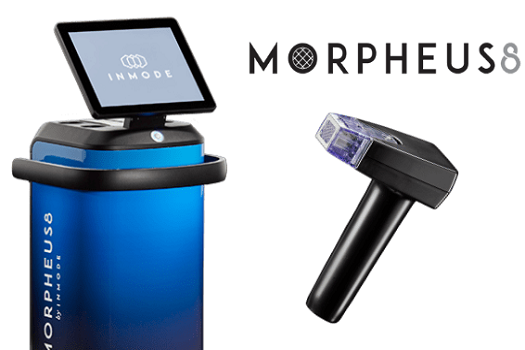
Scalp follicles sit 2 to 4 mm beneath the skin surface, so topical application alone cannot reach them. At AVAN TOKYO, we combine Morpheus8 (RF microneedling) drug delivery with stem cell conditioned media so that the active components reach the deep follicular layer precisely. This allows the scalp side of treatment to provide maximal regenerative support while internal medicine works in parallel.
Our Treatment Approach at AVAN TOKYO
We do not equate hair loss with AGA. We carefully evaluate multiple factors — hormones, nutrition, stress and sleep — and coordinate with internal medicine or gynecology when needed. Hair regenerative medicine with stem cell conditioned media delivers its full potential precisely when it is built on this multifactorial assessment.
When thyroid dysfunction is suspected, prioritizing endocrine control while starting scalp care in parallel can shorten the time to visible recovery. If you feel that “medication isn’t working” or “no one can explain the cause,” it is worth pausing to review your whole-body endocrine balance. Once the hidden cause is clarified, we can design the optimal treatment plan together.
View related columns on hair regenerative medicine
──────────────
Medical Supervisor: Shin Moriwaki, MD
Member, Japan Society of Aesthetic Surgery (JSAS) / Member, American Academy of Aesthetic Medicine
ECFMG Certificate
──────────────
📍AVAN TOKYO Ginza Hair Regenerative Medicine
English / 中文 / Tiếng Việt supported
Consultations available via DM / LINE / Website / Phone.