


Oral Contraceptives and Female Hair Loss: Hormonal Shifts, Hair Cycle Impact, and Stem Cell Conditioned Media as a Medical Choice2026.06.25
Many women notice that their part line becomes more visible, or that hair fall increases noticeably during shampooing, either while taking oral contraceptives (OCs / low-dose birth control pills) or after stopping them. Pills are widely prescribed for dysmenorrhea, PMS, and contraception, and they meaningfully improve women’s quality of life. However, because they artificially regulate the balance of estrogen and progestin, they also influence the hair follicle cycle to a non-trivial degree. This column reviews how oral contraceptives interact with female hair loss, and introduces stem cell conditioned media as the medical option that AVAN TOKYO Ginza Hair Regenerative Medicine emphasizes in clinical practice.
How Oral Contraceptives Affect the Hormonal Environment and Hair Follicles
Oral contraceptives combine synthetic estrogen (ethinyl estradiol) with synthetic progestins (progestogens). This combination suppresses ovulation, controls endometrial proliferation, and delivers both contraceptive efficacy and relief from menstrual symptoms.
But externally modulating the hormonal environment also shifts the dynamics of androgens (testosterone and dihydrotestosterone), which act directly on hair follicles. Female pattern hair loss (FAGA) differs from male AGA in that it presents as diffuse thinning centered on the crown and part line, and androgen receptor sensitivity is deeply involved in its pathophysiology.
First and Second Generation Progestins and Mild Androgenic Activity
First- and second-generation progestins such as norethisterone and levonorgestrel have a relatively high structural affinity for the androgen receptor and exhibit mild androgenic activity.
For this reason, women who are already predisposed to FAGA, that is, those who densely express androgen receptors at the crown and frontal scalp, sometimes notice a widening part or loss of volume after starting these pills. On the other hand, acne and hirsutism may improve in some users, so the actual impact varies widely between individuals.
Third and Fourth Generation Progestins and Anti-Androgenic Activity
Desogestrel (third generation) and drospirenone (fourth generation), by contrast, have low affinity for the androgen receptor. Drospirenone in particular has anti-androgenic activity and may therefore be neutral to mildly favorable for FAGA.
Still, pill selection is not driven primarily by hair loss treatment but by contraception and menstrual symptom control. Generational differences should be understood as secondary characteristics, and patients should never switch pills based on self-judgment.
Post-Pill Rebound Hair Loss and Stem Cell Conditioned Media as a Choice
The most common clinical consultation we receive is post-pill hair loss. When women take pills for an extended period, exogenous estrogen artificially prolongs the anagen phase of the hair cycle. Once the pill is stopped, a wave of follicles shifts into the telogen phase at once, and diffuse shedding surfaces two to four months later. This pattern, mechanistically similar to postpartum hair loss, is called telogen effluvium.
Telogen Effluvium and Resetting Hair Follicle Stem Cells
In telogen effluvium, the follicles themselves are not destroyed, so spontaneous recovery is possible in principle. However, when aging, chronic stress, iron deficiency, vitamin D deficiency, or hypothyroidism overlap, the reactivation of follicle stem cells in the bulge region is delayed, and many women enter the next cycle with insufficient recovery.
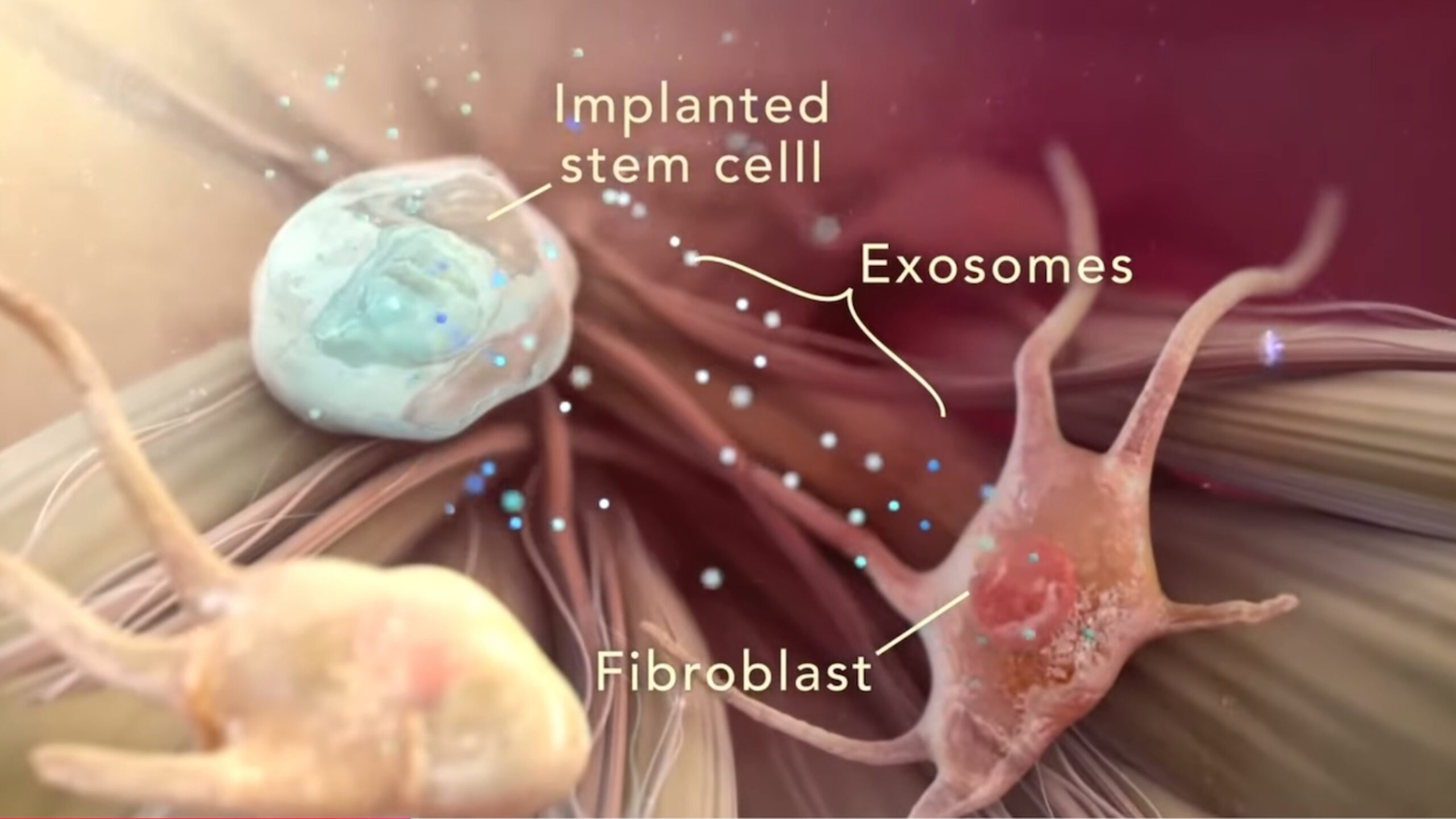
The medical approach we use to support this restart of follicle stem cells is adipose-derived stem cell conditioned media. Several hundred signaling molecules, including VEGF, HGF, IGF-1, KGF, and Wnt-related factors, have been reported to normalize the niche environment of follicle stem cells and smooth the transition from telogen to anagen.
Our Treatment Design
At AVAN TOKYO Ginza, we carefully review each patient’s pill history, the timing of discontinuation, menstrual cycle status, and concurrent medications, screening for gynecologic conditions or thyroid dysfunction as needed. We then deliver stem cell conditioned media into the deeper scalp via Morpheus8 drug delivery. Compared with injections alone, this approach allows uniform control over delivery depth and improves the efficiency of reaching the follicular bulge region.
Drug-Induced Hair Loss: Sorting Out the Cause Comes First
Beyond pills, antidepressants, beta blockers, antithyroid drugs, retinoids, and anticoagulants are all known triggers of drug-induced hair loss. The guidelines published by the Japanese Dermatological Association explicitly list differential diagnosis of drug-induced hair loss as a key step in the initial evaluation.
If you feel that shedding increased after starting the pill, or that hair loss is not stopping after stopping the pill, the first step is to review your medication history and run blood tests for ferritin, TSH, vitamin D, zinc, and similar markers to organize the background factors. Combining this with stem cell conditioned media treatment, which improves the condition of the follicle itself, can shorten the time needed to recover volume compared with simply waiting for spontaneous recovery.
For other topics on drug-induced hair loss and female hormone-related hair loss, please also see our hair regenerative medicine column index.
Summary
Oral contraceptives are essential medications that support women’s quality of life, but they exert non-trivial effects on the hair cycle through the hormonal environment. Telogen effluvium that emerges after pill discontinuation is, in particular, a condition where restoring the niche environment of follicle stem cells can meaningfully accelerate recovery. Stem cell conditioned media act on the regenerative switch of the follicle itself without directly intervening in hormones, making it a well-matched treatment option for drug-induced and female hormone-related hair loss. If you have concerns, please do not stop the pill on your own; consult a physician first and begin with a proper evaluation of the scalp environment.
──────────────
Supervising Physician: Shin Moriwaki, MD
Member, Japan Society of Aesthetic Surgery (JSAS) / Member, American Academy of Aesthetic Medicine
ECFMG certificate (US medical licensing qualification)
──────────────
📍AVAN TOKYO Ginza Hair Regenerative Medicine
English / 中文 / Tiếng Việt available
For inquiries, please contact us via DM / LINE / Website / Phone.