


Hay Fever, Year-Round Allergies and Hair Loss: How IgE Inflammation and Histamine Affect the Scalp, and Why Stem Cell Conditioned Media Matters2026.06.20
“My hair always seems to fall out more in spring and autumn,” “Ever since I started taking allergy medication, my hair has felt thinner” — these are the kinds of questions we hear more often during allergy season at our Ginza clinic. At first glance, hay fever and hair loss may seem unrelated, but they share a hidden common ground: chronic inflammation and a deteriorating scalp environment. At AVAN TOKYO Ginza Hair Regenerative Medicine, we place great importance on caring for the root cause of scalp issues, even in patients with allergic tendencies. At the heart of that care is our regenerative approach using stem cell conditioned media. This article explains, from a medical perspective, how hay fever and perennial allergies affect hair, and how stem cell conditioned media can support hair regeneration.
How Hay Fever and Allergies Damage the Scalp Environment
Hay fever and perennial allergic rhinitis occur when IgE antibodies are produced against airborne allergens, prompting mast cells to release chemical mediators such as histamine. While the most familiar symptoms appear in the nose and eyes, the skin — especially the exposed scalp — is also significantly affected.
IgE Inflammation Disturbs the Scalp’s Keratinization
When allergic reactions become chronic, the turnover of epidermal cells on the scalp is disrupted, leading to dandruff, itchiness, and redness. This resembles a mild form of seborrheic dermatitis, and inflammatory cytokines such as TNF-α and IL-6 are known to accumulate around the hair follicles. These cytokines suppress the function of hair follicle stem cells and push the hair cycle prematurely from the anagen (growth) phase into the catagen (regression) phase, ultimately increasing hair shedding.
Histamine, Itching, and “Scratching Damage”
During allergy season, many patients report that not only their eyes but also their scalp becomes itchy. Repeated scratching with fingernails physically destroys the stratum corneum barrier, making it easier for resident microbes and external irritants to penetrate. Patients who chronically scratch their scalp tend to develop thinner hair along the hairline and crown — a combination we view as both “mechanical alopecia” and “chronic inflammation.”
The Effects of Antihistamines and Topical Steroids on Hair
“Could my medication be causing my hair loss?” is another common question. The relationship between long-term allergy treatment and hair is more complex than many imagine.
Antihistamines and Scalp Dryness
Second-generation antihistamines are highly safe with minimal sedation, but long-term use can reduce sebum secretion and dry out mucous membranes. The scalp is no exception: when the lipid film is disrupted, dandruff and micro-inflammation become more likely. However, this is not because the drug directly damages hair follicles — it is better understood as a secondary change in the scalp environment.
Topical Scalp Steroids and the Hair Cycle
For severe itching, scalp steroid lotions are sometimes prescribed. Short-term use is generally fine, but prolonged application of potent steroids can cause skin thinning, telangiectasia, and even follicular atrophy. If you feel that “my allergy symptoms improved, but my hair seems thinner,” it is important to review the area and duration of steroid use with your dermatologist. For clinical guidelines on alopecia, the Japanese Dermatological Association is a reliable reference.
Stem Cell Conditioned Media: A Regenerative Approach for the Allergy Generation
A scalp burdened by chronic inflammation and dryness requires more than just “suppressing inflammation” — it needs to “recover its own regenerative capacity.” This is exactly what AVAN TOKYO offers through scalp care using human adipose-derived stem cell conditioned media.
Targeting Both Anti-Inflammation and Follicle Regeneration
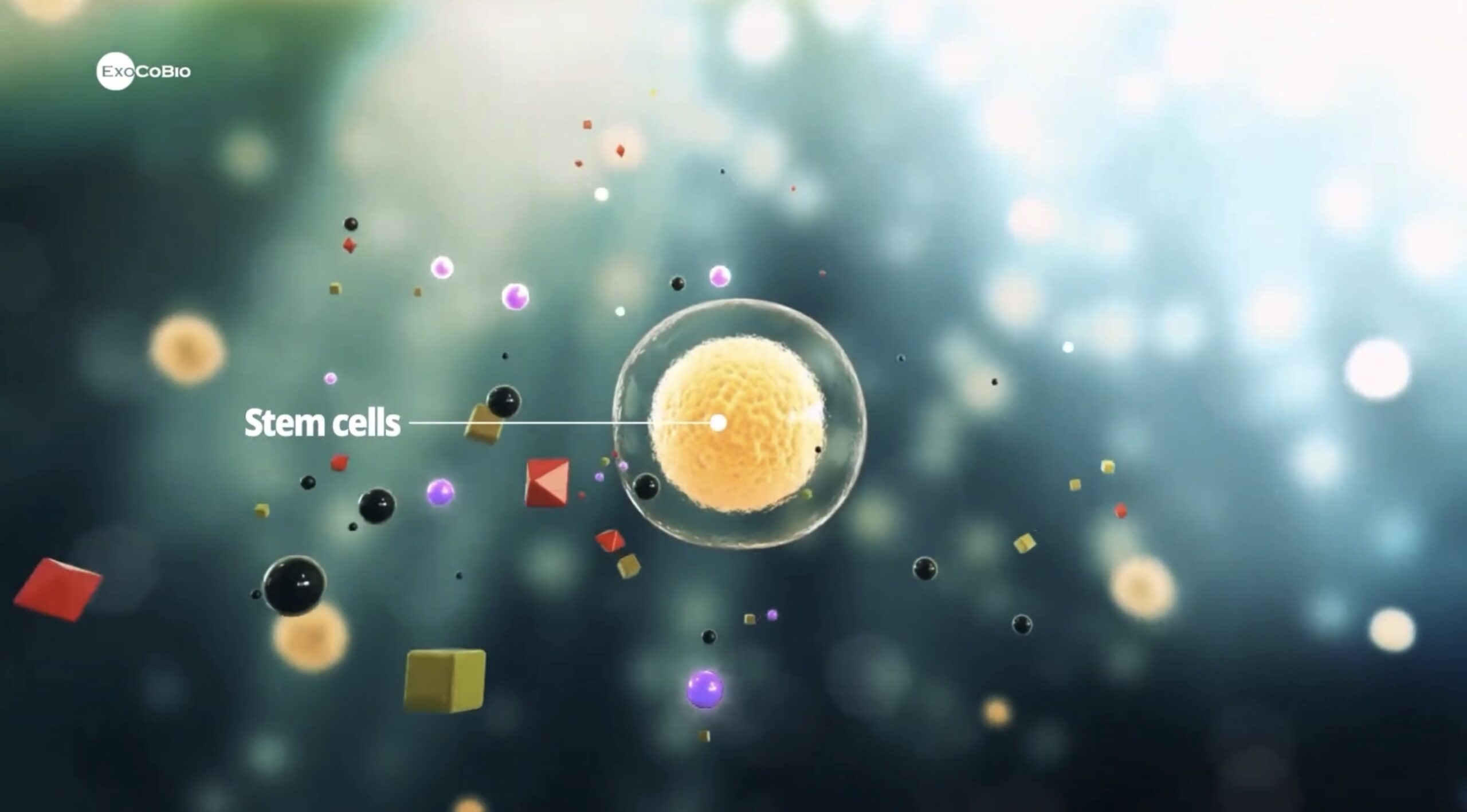
Stem cell conditioned media is rich in growth factors such as HGF, VEGF, IGF-1, and TGF-β, as well as exosomes, the small intercellular signaling capsules. Together they are expected to rebuild the vascular endothelium of an exhausted scalp and reactivate hair follicle stem cells. For allergic patients with persistent redness and itchiness, this offers a regenerative stimulus — without relying solely on strong anti-inflammatory steroids.
Delivering Deeper with Morpheus8
However, simply applying stem cell conditioned media topically cannot reach deep enough into the follicles. At AVAN TOKYO, we use Morpheus8 microneedling RF to ensure reliable drug delivery to the depth where hair follicles reside. This allows us to preserve the epidermal barrier while directly approaching the deep stem cell niche of the scalp. Even for patients with allergic skin, careful pre- and post-treatment assessment lets us balance safety with regenerative effect.
For more case studies and related themes, please visit our hair regenerative medicine column index.
Summary
Hay fever and perennial allergies cause chronic inflammation and dryness not only in the nose and eyes but also on the scalp, becoming a hidden driver of progressive hair loss. Antihistamines and topical steroids can ease symptoms but cannot restore the follicle itself. That is why stem cell conditioned media is increasingly drawing attention as a root-level scalp care option for allergy-prone patients. At AVAN TOKYO Ginza Hair Regenerative Medicine, we carefully review each patient’s allergy history and scalp condition to design treatment plans that maximize the power of regenerative medicine. If you feel that your hair sheds more each season, or that itching has left your hair noticeably thinner, please feel free to contact us.
──────────────
Supervising Physician: Shin Moriwaki, MD
Member, Japan Society of Aesthetic Surgery (JSAS) / Member, American Academy of Aesthetic Medicine
ECFMG Certificate (United States Medical Licensing Qualification)
──────────────
📍AVAN TOKYO Ginza Hair Regenerative Medicine
English / 中文 / Tiếng Việt available
Please contact us via DM / LINE / Website / Phone for consultation.