


Does Low-Level Laser Therapy (LLLT) Really Treat Hair Loss? The Limits of Home Devices and Why Stem Cell Conditioned Media Matters2026.06.23
In recent years, “Low-Level Laser Therapy (LLLT)” devices that claim to promote hair growth simply by shining light on the scalp have become widely sold at electronics stores and on online marketplaces. Helmet-, cap-, and comb-shaped products that advertise “easy at-home hair loss care” continue to grow each year. In the clinical setting, however, regenerative therapy using stem cell conditioned media is drawing attention as a more fundamental approach to follicular regeneration. In this column, we organize the mechanism and the limits of LLLT from a medical perspective, and explain the role of stem cell conditioned media — the option that our clinic emphasizes in daily practice.
What Is LLLT (Low-Level Laser Therapy)?
LLLT, short for Low-Level Laser Therapy, irradiates the scalp with red light at wavelengths around 650–680 nm or with near-infrared light. Since 2007, the U.S. FDA has cleared several home-use LLLT devices as “medical devices for which a hair-growth effect can be expected,” and over the past decade or so they have become broadly familiar to consumers.
Action on Intracellular Mitochondria
When LLLT light reaches the scalp, it is thought to be absorbed by cytochrome c oxidase inside the mitochondria of follicular cells, promoting the production of ATP (adenosine triphosphate). By activating energy metabolism, telogen-phase follicles become more likely to shift back into the anagen phase — that is the basic mechanism of LLLT.
Improved local blood flow and microcirculatory effects driven by nitric oxide release have also been reported as secondary benefits.
Evidence From Clinical Trials
Multiple meta-analyses have reported that LLLT used for 16–26 weeks in patients with male androgenetic alopecia (AGA) produces statistically significant improvements in hair density and shaft diameter compared with placebo. The effect size, however, is moderate, and several papers conclude it is equal to or weaker than topical minoxidil. Cases in the early to moderate stages of AGA, where follicles remain in reasonable numbers, tend to respond best.
The Practical Limits of Home LLLT Devices
Even though LLLT itself has a body of evidence, real-world results from home devices are subject to major constraints. Assuming “just buying one will grow hair” is premature.
The Wall of Output and Continuity
Professional LLLT devices used at clinics offer higher output and stable wavelengths, so they can deliver uniform energy across the entire scalp. Home devices, by contrast, intentionally limit output for safety, and reaching sufficient energy deep enough to act on the follicle requires extended, repeated use. Three to four sessions a week of 20–25 minutes each, continued for over six months, is typically recommended — but very few people sustain that schedule in reality.
Limited Action on Follicular Stem Cells Themselves
LLLT is, at its core, an adjunctive therapy that boosts mitochondrial metabolism. It cannot meaningfully change the number or activity of follicular stem cells themselves, calm perifollicular inflammation, or repair the niche environment. For areas where the follicle has already fully atrophied or where the follicular stem cell niche (the microenvironment the stem cells live in) is broken, regrowing hair with light alone is extremely difficult.
Stem Cell Conditioned Media as an Alternative
Against this backdrop, stem cell conditioned media is a treatment that delivers the “raw materials” of follicular regeneration directly to the scalp. Its level of action is fundamentally different from light or topical lotions.
An Abundance of Growth Factors and Cytokines
The supernatant from cultured adipose-derived stem cells is rich in growth factors involved in hair regeneration, including FGF, VEGF, IGF-1, HGF, and KGF. They are thought to act simultaneously on multiple regeneration steps — activating follicular stem cells, stimulating dermal papilla cell proliferation, driving microvascular neogenesis around the follicle, and damping chronic micro-inflammation. The greatest strength of stem cell conditioned media is its ability to directly supply “molecular-level regenerative resources” that no amount of light can provide.
Reaching the Deep Layers via Morpheus8 Combination
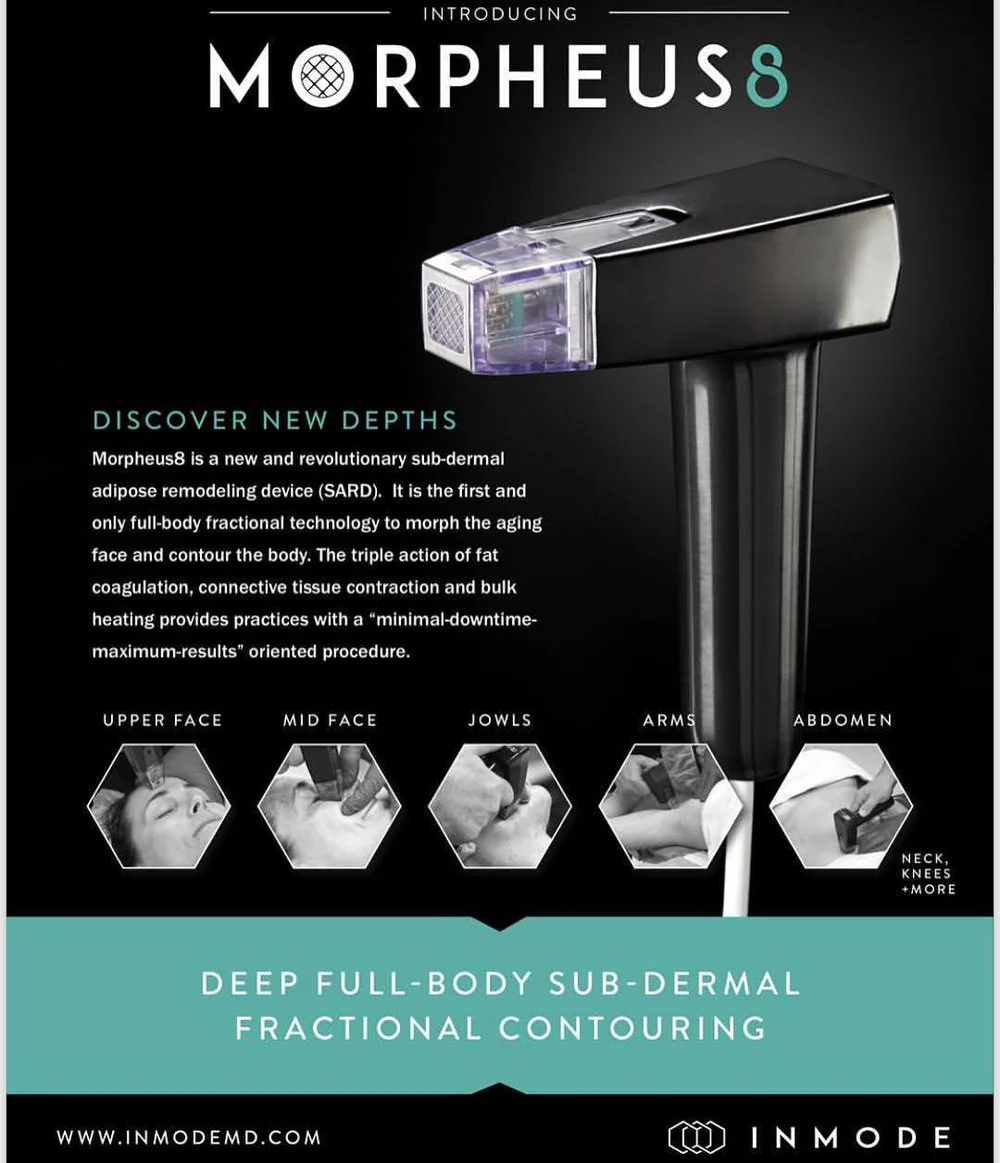
At AVAN TOKYO, we combine scalp Morpheus8 (RF microneedling) with stem cell conditioned media. Microscopic pathways are created down to the follicular level, and the conditioned media is then drug-delivered through those channels. By bypassing the epidermal barrier and reaching the perifollicular zone, we act at depths unreachable by topical application or light. For AGA treatment guidelines, we also refer to the Japanese Dermatological Association and design the best combination for each patient.
Can LLLT and Stem Cell Conditioned Media Be Combined?
Because the two mechanisms are completely different, combining them is medically reasonable. LLLT, which lifts cellular metabolism through ATP production, and stem cell conditioned media, which drives follicular regeneration itself with growth factors, can be expected to act complementarily.
That said, it is unrealistic to position a home LLLT device as the “core” of treatment; it is better organized as supplementary daily care. The realistic approach is to anchor treatment with a robust clinical protocol, then layer at-home LLLT on top as “daily metabolic support.”
Summary
LLLT does have a certain body of evidence and is useful as an adjunctive option that elevates follicular metabolism. Yet improving hair loss fundamentally with a home device alone is difficult; acting on the follicular stem cells themselves requires a more proactive approach. At AVAN TOKYO, we center treatment on stem cell conditioned media combined with Morpheus8, designing each protocol around the patient’s hair condition, age, and lifestyle. If you are exploring therapies that reach depths beyond what light and topicals can touch, we invite you to consult with us.
Visit our collection of hair regenerative medicine columns for more topics.
──────────────
Supervising Physician: Shin Moriwaki, MD
Member, Japan Society of Aesthetic Surgery (JSAS)
Member, American Academy of Aesthetic Medicine
ECFMG Certificate
──────────────
📍AVAN TOKYO Ginza Hair Regenerative Medicine
English / 中文 / Tiếng Việt available
Inquiries welcomed via DM / LINE / Website / Phone.