


Stem Cell Conditioned Media Joint Injection: What to Do and Avoid on the Day and the Day After — Dr. Moriwaki Organizes Aftercare Design for Bathing, Exercise, Cold/Heat Therapy, and Alcohol2026.07.18
After receiving a stem cell conditioned media joint injection for knee, shoulder, or lower back pain, most patients first want to know practical things like “Can I take a bath today?” and “When can I resume exercise?” The injection itself is a very short procedure, but how you spend the several hours to several days afterward — while the injected fluid begins acting inside the joint and surrounding tissues respond — can meaningfully influence both treatment outcome and complication risk.
In this column, Dr. Moriwaki of AVAN TOKYO Ginza Regenerative Medicine practically organizes what to do and what to avoid on the day of, and the day after, a stem cell conditioned media joint injection, from the perspectives of bathing, exercise, cold/heat compresses, and alcohol. We avoid inflated language and honestly convey what is medically reasonable.
Key Points of This Article
・On the day of joint injection, protecting the needle site and avoiding overload on the joint take priority; strenuous exercise, long baths, and heavy drinking should generally be avoided
・Bathing should be limited to showers on the day of the procedure; tubs, saunas, and hot springs are better postponed to the following day, and the injection site should not be scrubbed hard
・From the day after, gradually resume light range-of-motion exercise; however, if pain, heat, or swelling worsen, see the doctor without hesitation
・Cold compresses (icing) and warm compresses serve different purposes — cooling suits acute local inflammation right after the procedure, while heat suits chronic stiffness
・Because recommended aftercare emphasis differs by joint site — knee, shoulder, lower back — always prioritize your treating physician’s individual instructions
What to Do and Avoid on the Day of the Joint Injection
The first 24 hours after the procedure is a window when there is a transient risk of bleeding at the needle site and when the injected fluid needs time to settle into the joint. It helps to view this period as time to “rest the joint while observing it.”
Bathing and Showering
As a rule, only showering is recommended on the day of the procedure; tubs, saunas, hot springs, and stone baths are better avoided. The skin at the needle site typically closes within the same day, but hot water and long baths dilate peripheral vessels and can promote bruising and swelling at the injection site.
When showering, do not scrub the injection site — lather soap lightly and rinse briefly. From the following day, you may return to normal bathing at a lukewarm temperature.
Alcohol
Avoid heavy drinking on the day of the procedure.
Alcohol dilates blood vessels, which increases bruising and swelling at the injection site, and it also raises the digestive burden if you combine painkillers or anti-inflammatory drugs the next day.
While there is no strong medical basis to strictly ban even a single beer, treating the day of injection as a “liver rest day” is a sensible choice for avoiding trouble.
Exercise and Sports
Avoid strenuous exercise, heavy weight training, running, jumping, and long-distance walking on the day of the procedure.
The timing at which the growth-factor group in stem cell conditioned media begins acting on joint tissue varies between individuals, but at minimum, prioritize “resting the joint quietly” on the day of the injection.
Daily walking and light range-of-motion movement within pain-free limits are fine. Complete immobilization can cause joint contracture and disuse muscle atrophy, so read “rest” not as “do not move at all” but as “do not apply unreasonable load.”
When to Cool vs. When to Warm
If there is swelling or a sensation of heat right after the procedure, cold compresses through a towel (10–15 minutes several times, spaced 1–2 hours apart) can be helpful in some cases.
On the other hand, if pain shifts into a chronic phase several days after the procedure, or if stiffness is strong from the following day, warm compresses that promote blood flow work better for improving range of motion.
Understand cold-versus-warm as a switch made by phase, and if you are unsure, confirm with your treating doctor.
Joint Injection Aftercare Design From the Day After
From the day after, the injected fluid enters a period of gradually acting on the tissue. The design point is to avoid both excessive rest and excessive load, and to expand range of motion in steps.
Gradual Return to Exercise
Starting from the day after, you may resume light range-of-motion training and stretching within pain-free limits.
For the knee, start with knee flexion-extension while seated; for the shoulder, pendulum exercises; for the lower back, small movements such as anterior/posterior pelvic tilts.
Guidelines for return to sport vary by joint, treatment content, and individual factors, but jogging and light strength training may be resumed roughly 3–7 days after the procedure, while contact sports and high-load training are typically after 1–2 weeks — please discuss with your treating physician.
Distinguishing Pain and Discomfort
For several days from the day after, mild discomfort or dull ache may remain at the injection site.
This is often a transient reaction to the injection technique itself and usually resolves within 2–3 days.
On the other hand, if pain increases day by day, if the joint has strong heat, if fever of 38°C or higher accompanies it, or if skin redness spreads, complications including infection are possible. Do not wait it out on your own — please see your treating physician promptly.
Tips for Aftercare by Joint Site
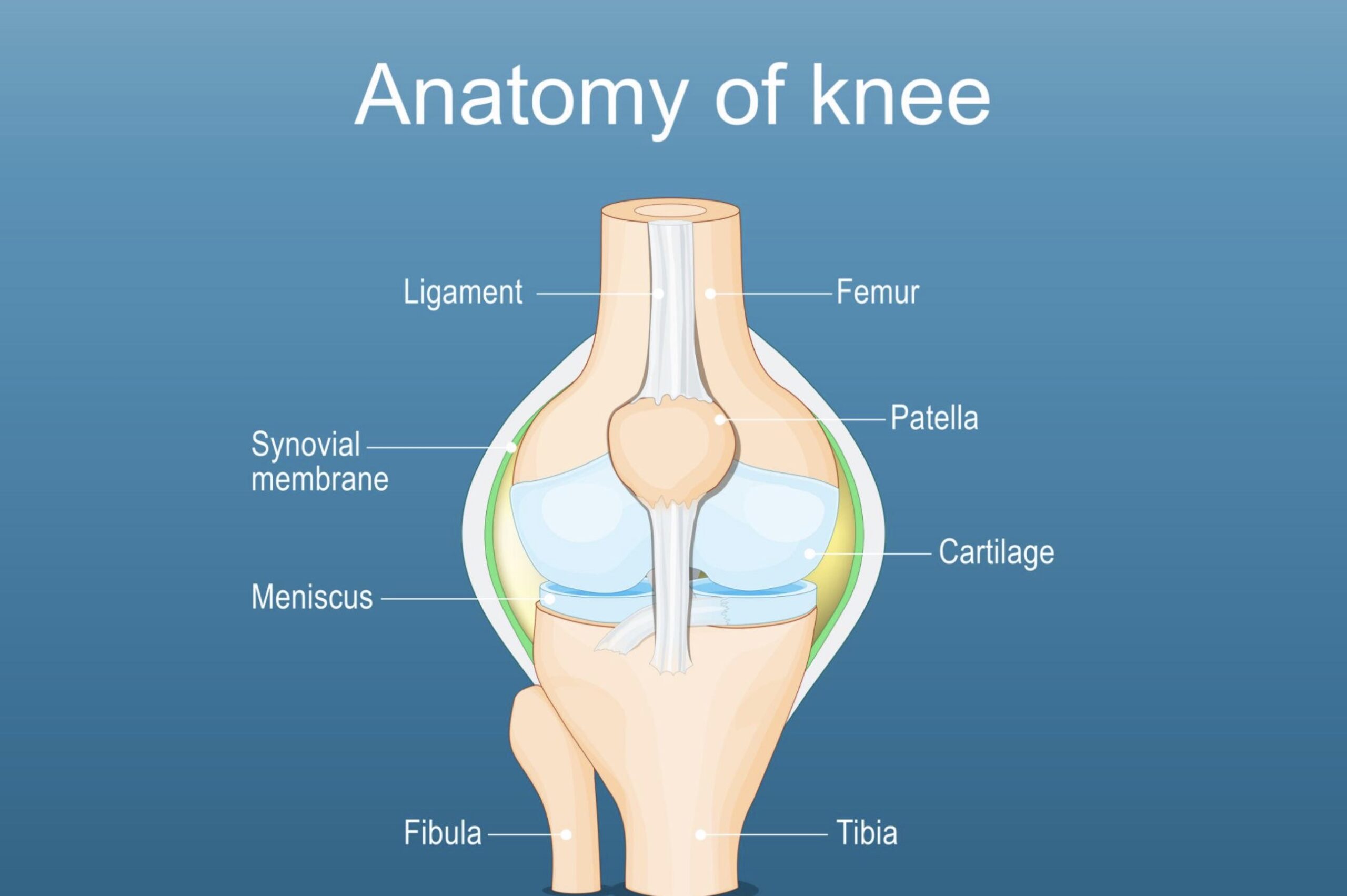
After a knee joint injection, be cautious of overwalking while prioritizing seated knee-extension exercises.
After a shoulder joint injection, prolonged immobility can cause contracture, so begin with pendulum exercises from the following day to maintain range of motion.
After a lower-back joint injection (facet or sacroiliac), avoid prolonged same-posture positions and be mindful of slow sit-to-stand and pelvic movement.
Whatever the site, if your physician instructs you on the wearing time of a brace, follow that time carefully. Please also see details on stem cell conditioned media joint injection here.
Medical Perspectives to Keep in Mind for Aftercare
Joint aftercare is not a mere “rest order” — it is part of the treatment design that gives the injected stem cell conditioned media time to blend into the joint environment and lets the body respond.
Excessive Rest Is Also Counterproductive
The assumption that “since I got an injection, it is safer not to move” carries a risk of joint contracture and disuse muscle atrophy.
Especially for joints where range of motion matters — such as the shoulder and hip — gentle range-of-motion training from the day after forms the foundation for drawing out treatment effect.
For general information about joint disease and orthopedic thinking, the Japanese Orthopaedic Association website is also a useful reference.
Effect Assessment Is on a Scale of Weeks to Months
Unlike steroid injections, stem cell conditioned media joint injection is not the type of treatment where pain dramatically subsides immediately after administration.
Pain scores, range of motion, and daily-life function tend to shift gradually over weeks to months, so it is premature to decide “it worked / it did not work” based on the response on the day of or the day after.
Effect varies between individuals, and depending on the degree of joint destruction, age, and general condition, the expected change may not be achieved — we honestly convey this from the initial visit.
Frequently Asked Questions
Q. Can I drink alcohol on the day of a joint injection?
Please avoid heavy drinking on the day. Alcohol dilates blood vessels and can increase bruising and swelling at the injection site. There is no strong medical basis to strictly ban even one beer, but treating the day of the procedure as a “liver rest day” is safer. From the following day, you may return to your usual amount.
Q. When can I take a proper bath in the tub?
Once the needle site closes on the day after, tub bathing and normal bathing are fine, but keep the water temperature lukewarm. On the day of the procedure, please limit yourself to showering. Saunas, hot springs, and stone baths should be avoided on the day and the following day, and resumed after about 48 hours from the procedure.
Q. Can I work or exercise from the day after?
Desk work and light housework are fine even on the day of the procedure. Medium- to high-intensity exercise such as running or weight training may be gradually resumed from the following day within pain-free limits. For return to contact sports or competitive levels, please discuss with your physician using 1–2 weeks after the procedure as a rough guideline.
Q. What should I do if pain becomes strong after the injection?
Transient dull pain typically resolves within 2–3 days. However, if pain increases day by day, if there is strong heat, if fever accompanies it, or if skin redness spreads, complications including infection are possible. Do not wait it out on your own — please see your treating physician promptly.
Q. Should I cool or warm the area?
Use them differently by phase. Cold compresses (icing) suit the acute phase right after the procedure with swelling and heat; warm compresses suit the phase from several days later when chronic stiffness remains, helping range-of-motion improvement. If you are unsure, please consult your treating physician.
──────────────
【Medical Supervisor】Shin Moriwaki (Supervising Physician)
Member, Japan Society of Aesthetic Surgery (JSAS) / Member, American Academy of Aesthetic Medicine
ECFMG Certificate (U.S. Medical Licensing Qualification)
──────────────
📍AVAN TOKYO 銀座 再生医療
AVAN TOKYO Ginza Regenerative Medicine
English / 中文 / Tiếng Việt available
Inquiries welcome via DM / LINE / Website / Phone.