


Swollen Painful DIP Joints and Heberden’s Nodes — What Stem Cell Conditioned Media Joint Injection Can and Cannot Do for Finger Osteoarthritis2026.07.07
When the joints closest to your fingertips (the DIP joints) swell into small bumps, hurt when pressed, and ache when you grip something — that may be a sign of “Heberden’s nodes,” a form of osteoarthritis of the fingers. Opening a plastic bottle cap, wringing out a cloth, holding a kitchen knife, or typing on a keyboard for long stretches — each of these daily motions can produce a stinging pain at the fingertip, and there are periods when the joint turns red and swells. Many people accept it as “just aging,” but the inflammatory environment inside the joint that drives the pain still has room to be managed conservatively. In recent years, injection of stem cell conditioned media into the joint has begun to be considered as a new option for Heberden’s nodes acting on this inflammatory environment. In this article, Dr. Moriwaki at AVAN TOKYO Ginza organizes the pathology and diagnosis of Heberden’s nodes, the order of treatment, and honestly clarifies what stem cell conditioned media joint injection can and cannot do — within its indications and limits.
Key Points of This Article
・Heberden’s nodes is a form of osteoarthritis affecting the DIP joints of the fingers, most commonly seen in women from their 40s onward, often appearing or progressing around menopause.
・Bony spurs (osteophytes) and finger deformity themselves cannot be reversed, but the intra-articular inflammatory environment — synovitis — which drives the pain can be conservatively addressed.
・Stem cell conditioned media joint injection is not a treatment that “reverses deformity”; it acts on the inflammatory and tissue environment inside the joint.
・The foundation of treatment is conservative care such as rest, splints, and NSAIDs. Adding conditioned media injection when persistent pain remains is the standard order.
・Careful judgment is required for joints with active infection, advanced destruction, or poorly controlled systemic disease. Individual responses vary.
What Are Heberden’s Nodes? — Osteoarthritis of the DIP Joint
Osteoarthritis at the fingertip joint
Heberden’s nodes is a form of osteoarthritis that develops in the DIP joint (distal interphalangeal joint), the joint closest to the fingertip, named after the 19th-century British physician William Heberden. Hard swellings (osteophytes) form on the dorsal side of the DIP joint, the joint widens laterally, and the fingertip may tilt at an angle. When similar changes appear at the second joint (PIP joint), they are called Bouchard’s nodes and often occur together.
In the early stages, symptoms start as mild discomfort — “it hurts when pressed,” “gripping sends a jolt.” As it progresses, the joint may turn red and swollen, and a blister-like mucous cyst may bulge on the dorsal side. Over the long term, pain often subsides gradually, while deformity generally remains.
Who develops it and why
Heberden’s nodes is overwhelmingly common in women from their 40s onward, often appearing or progressing around menopause. Contributing factors include falling estrogen, genetic predisposition, and a history of using the fingertips heavily (caregiving, cooking, beauty industry work, playing musical instruments, and so on). Those whose mothers or sisters have Heberden’s nodes tend to develop them as well. Diagnosis is made by inspection, palpation, and X-ray as needed, and it is essential to distinguish it from other joint diseases such as rheumatoid arthritis (which favors PIP and MCP with marked morning stiffness), psoriatic arthritis, and gout.
What Stem Cell Conditioned Media Joint Injection Can and Cannot Do for Heberden’s Nodes
The target is not cartilage or bone — it is the intra-articular inflammatory environment
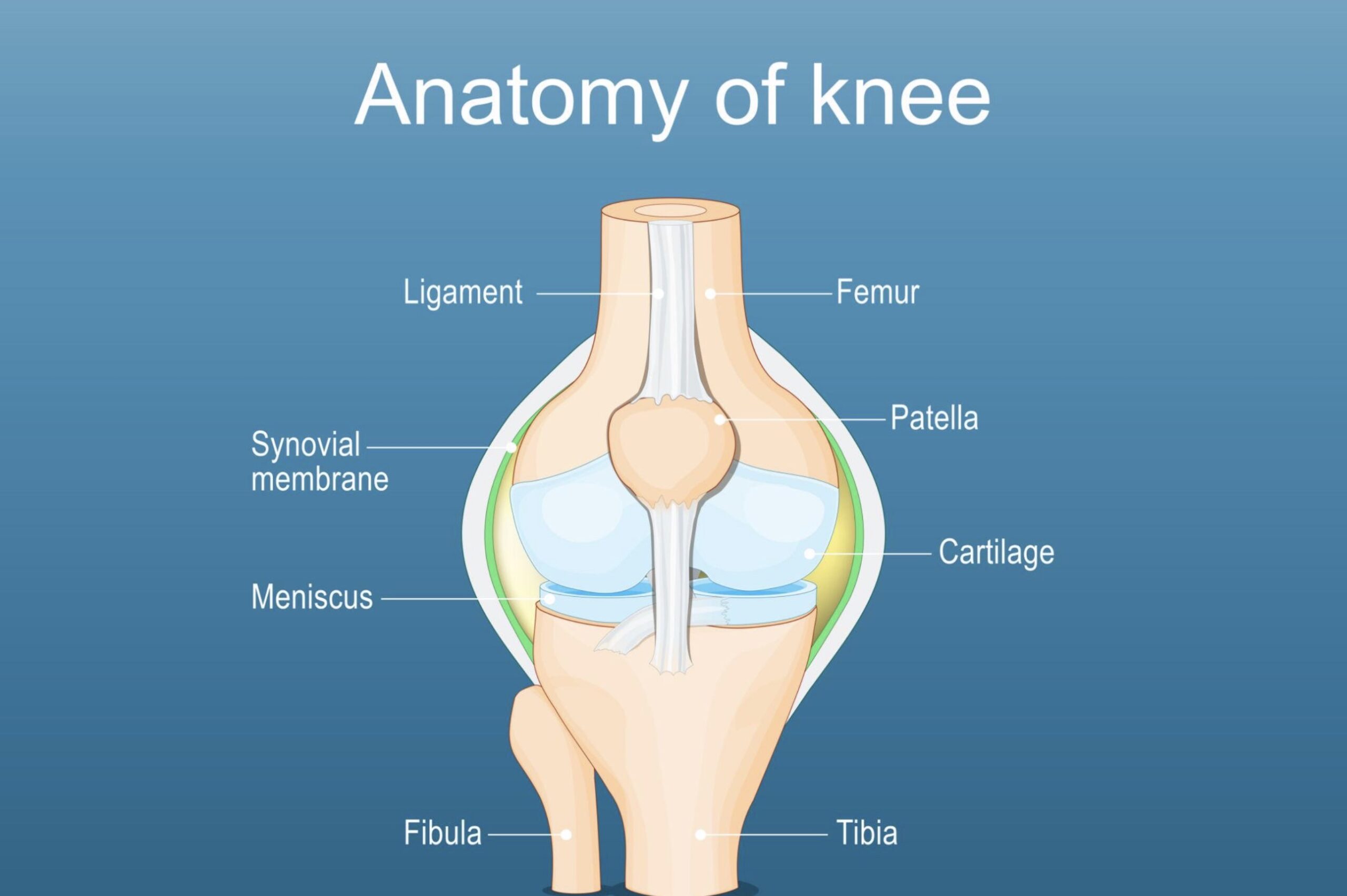
Most of the pain, swelling, and morning stiffness of Heberden’s nodes arises from synovitis inside a joint where the articular cartilage has already worn down. This synovitis is what makes daily activities so difficult. Stem cell conditioned media contains growth factors such as TGF-β, IGF-1, HGF, and VEGF, cytokines with suggested anti-inflammatory properties, and extracellular vesicles (exosomes), and at the level of basic research it is expected to act on the intra-articular inflammatory environment and tissue environment.
In other words, the role that conditioned media joint injection plays for Heberden’s nodes is not to “rebuild cartilage from scratch,” but is discussed in the context of whether it may help modulate the intra-articular environment and contribute to symptom control.
Osteophytes and deformity themselves cannot be reversed
Meanwhile, osteophytes that have already formed, and the widened contour of the finger or the tilted deformity, will not return to their original shape through joint injection. This needs to be stated honestly. What joint injection can aim for is a level of goal such as “not accelerating further progression” and “reducing pain and swelling so daily activities become easier.” Effects vary between individuals depending on the stage of progression, age, lifestyle, and the status of other treatments.
The Order of Treatment and Cautions — Conservative Care Is the Foundation, Injection Comes on Top
Start with conservative care
Treatment for Heberden’s nodes does not start abruptly with an injection. Resting the fingertips, using splints or tape supports designed for the DIP joint, managing pain with topical or oral NSAIDs, and re-examining daily hand movements and work postures — these conservative measures form the foundation. It is also important not to over-cool or over-heat the fingertips and not to burst a mucous cyst yourself, as it can become a source of infection. For persistent pain that resists these measures, the standard order is then to consider stem cell conditioned media joint injection or a very small dose of local steroid injection.
How it differs from and combines with other injections
Steroid joint injection has strong anti-inflammatory effects, but repeated use raises concerns about the burden on periarticular tissues and skin. Hyaluronic acid is an approach that supplements joint lubrication, but for a small joint like the DIP it is not as standard an option as it is for the knee. Stem cell conditioned media joint injection is a biological approach that acts on the inflammatory and tissue environments inside the joint, and its very aim differs from these. Careful judgment on indication is needed for joints with active infection, poorly controlled systemic disease, or markedly advanced deformity. For general information on joint diseases, please refer to the site of the Japanese Orthopaedic Association. For details of our clinic’s treatments, please also see more on stem cell conditioned media joint injection here.
Frequently Asked Questions
Q. Can Heberden’s nodes be “cured”?
It is a form of osteoarthritis, and once formed, osteophytes and finger deformity do not return to their original state. However, symptoms such as pain, swelling, and morning stiffness may be reduced to a level that makes daily life easier through a combination of conservative care and treatments that act on the intra-articular inflammatory environment. It is important to separate “reversing deformity” from “controlling symptoms.”
Q. How often is stem cell conditioned media joint injection given?
The number and interval of injections are designed individually based on the severity of symptoms, stage of progression, and other treatments in use. A two-phase design — multiple sessions every few weeks in the induction phase, then intervals of several months in the maintenance phase — is one guide, and continuation or revision is judged while objectively assessing pain scores, range of motion, and daily activities.
Q. How does it differ from steroid injection and hyaluronic acid?
Steroid injection has strong anti-inflammatory effects, but repeated use is a concern for periarticular tissues. Hyaluronic acid supplements joint fluid lubrication and is standard for the knee, but is usually not chosen for a small joint like the finger DIP. Stem cell conditioned media joint injection is a biological approach that acts on the inflammatory environment and tissue environment themselves — its aim is on a different axis.
Q. Can such small finger joints really be injected?
The DIP and PIP are very narrow joints, but with a fine needle combined with ultrasound guidance or anatomical positioning, cautious administration is possible. However, the technique requires skill, and rather than insisting on entering the joint itself, periarticular administration may be chosen instead.
Q. Which specialty should I see first?
First see an orthopedic surgeon or hand surgeon, and first confirm that it is not a different disease such as rheumatoid arthritis, psoriatic arthritis, or gout. From there, the desirable order is to consider stem cell conditioned media joint injection within a treatment plan that includes conservative care.
──────────────
Medical Supervisor: Shin Moriwaki, MD
Member, Japanese Society of Aesthetic Surgery (JSAS) / Member, American Academy of Aesthetic Medicine
ECFMG Certificate (US medical qualification)
──────────────
📍AVAN TOKYO 銀座 再生医療
AVAN TOKYO Ginza Regenerative Medicine
English / 中文 / Tiếng Việt supported
Inquiries welcome via DM / LINE / Website / Phone.