


Told ‘Surgery Is Your Only Option’ for Ankle or Toe Joint Pain? Dr. Moriwaki Explains How Stem Cell Conditioned Media Injections Can Help You Stay Conservative2026.07.16
Have you ever been told, “There is no option left but surgery,” for ankle or toe pain and felt your mind go blank? Dull pain with each step, morning stiffness, deformities that make it hard to fit into shoes — many patients are shocked when surgery is suddenly presented for a chronic foot problem. An orthopedic surgeon’s judgment is often reasonable, but from the patient’s perspective, it is natural to wonder, “Is there really no other option?” Stem cell conditioned media joint injections have recently emerged as one option to consider when patients are told “surgery is the only choice” for ankle or toe pain and want to try a conservative path. However, this is not a cure-all — what you can and cannot expect depends clearly on the stage and pathology. In this article, our supervising physician Dr. Shin Moriwaki honestly organizes “the range in which conservative management is worth pursuing for ankle and toe pain” from the perspective of indications, limitations, and combined treatment design.
Key Points of This Article
・Even when told “surgery is the only option” for ankle or toe pain, depending on the pathology, stem cell conditioned media joint injections may allow you to stay conservative
・What can be targeted is calming the inflammatory cycle inside the joint and preparing the repair environment at tendon attachment sites — not restoring lost cartilage or bone deformity itself
・For thumb CMC osteoarthritis, Heberden’s nodes, hallux valgus, and post-traumatic ankle osteoarthritis, combining injections with orthotics and rehabilitation is a realistic strategy
・Dr. Moriwaki draws clear lines for when it is out of indication — end-stage joint destruction, active infection, ankylosis with lost function
・Before concluding with the single phrase “surgery is the only option,” it is important to reassess the deformity stage and the source of pain
When You Are Told “Surgery Is the Only Option” for Ankle or Toe Pain
The ankle and toes are collections of delicate joints that must support body weight while accommodating fine movements. As cartilage wears down with age and deformity and inflammation progress, they begin to interfere with daily life. There are several typical scenarios where orthopedic surgeons say “surgery is the only option.”
Cases where surgery is proposed for the ankle
Post-traumatic osteoarthritis, talar avascular necrosis, advanced flatfoot disorders, and chronic tendon attachment site disease are typical. When years of repeated sprains or post-fracture deformity underlie the condition and conservative therapy has not provided sufficient relief, ankle fusion or total ankle replacement may be proposed. However, depending on the progression of deformity, there are stages where conservative persistence still has meaning.
Cases where surgery is proposed for the toes (MTP, thumb CMC, DIP/PIP)
When inflammation and deformity of the first MTP joint progress in hallux valgus, corrective surgeries (Chevron, Lapidus, etc.) become candidates. If Heberden’s nodes (DIP arthritis) interfere with hand use, joint fusion or artificial joint replacement is proposed. For thumb CMC arthritis, ligament reconstruction or joint arthroplasty may be discussed. However, these surgeries are last resorts, and there should be conservative options to try before that stage.
The Range That Stem Cell Conditioned Media Joint Injections Can Target
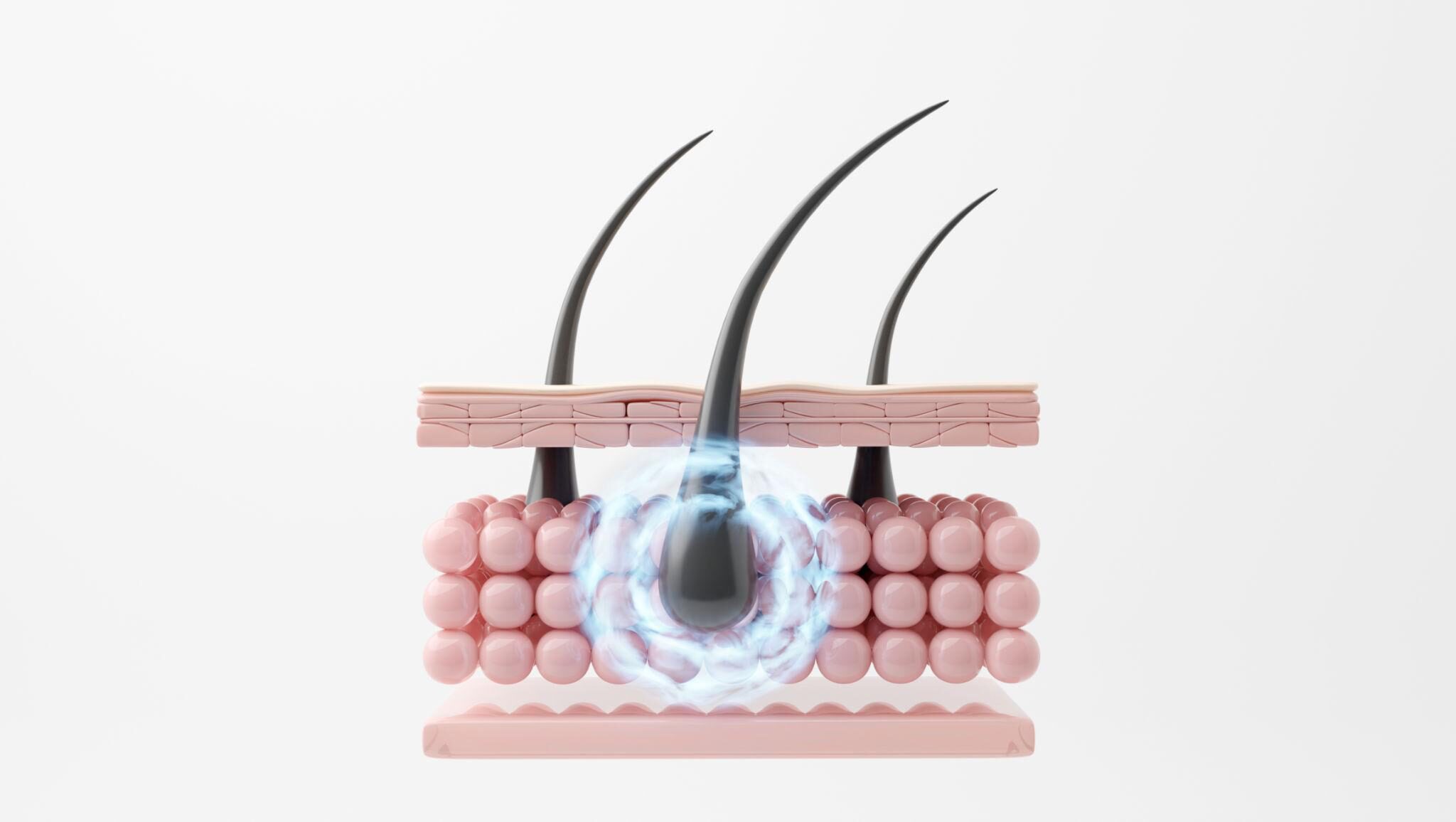
Stem cell conditioned media is a liquid component containing growth factors, cytokines, and exosomes secreted when mesenchymal stem cells are cultured. When administered into the joint cavity, around the joint, or at tendon attachment sites, it is expected to calm inflammation and prepare an environment for tissue repair.
Calming the intra-articular inflammatory cycle
In toe osteoarthritis and post-traumatic ankle osteoarthritis, inflammatory cytokines are continuously produced within the joint, forming a vicious cycle of pain and cartilage destruction. Anti-inflammatory factors such as TGF-β and IL-10 contained in stem cell conditioned media are thought to contribute to pain reduction and improvement of the tissue environment by calming this inflammatory cycle. However, this is not a treatment that restores lost cartilage or bone deformity itself.
Preparing the repair environment at tendon attachment sites
In ankle tendon attachment site disease (posterior tibial tendon disorder, Achilles tendinosis, etc.) and chronic inflammation of ligaments and tendons around the thumb CMC joint, the repair environment of poorly vascularized tissue is compromised. By delivering growth factors such as IGF-1, FGF, and VEGF, the aim is to prepare an environment that promotes angiogenesis and collagen remodeling. For information on joint diseases, please also refer to the Japanese Orthopaedic Association.
Combined Treatment Design for Conservative Persistence
Injections alone do not mean “you can avoid surgery.” A conservative strategy only works when combined with orthotics, rehabilitation, and lifestyle review.
Combining orthotics, insoles, and rehabilitation
Ankle supporters and insoles for the ankle, toe braces and arch supports for hallux valgus, thumb splints for CMC arthritis — protective orthotics are the foundation that keeps the treatment effect lasting. Combining with strength training, range-of-motion training, and gait guidance by physical therapists connects the injection effect to functional improvement. For details, please see more about stem cell conditioned media joint injections.
Timing and frequency design of administration
A typical protocol involves multiple doses at 2–4 week intervals during the induction phase, then extending intervals in the maintenance phase while monitoring response. Efficacy is evaluated by combining pain scores, range of motion, activities of daily living, and orthotic dependence. If changes remain limited after 3–4 months, we consider switching to continuation, modification, or orthopedic re-evaluation.
Drawing the Line Between “Worth Trying” and “Not Worth Trying”
Not every “surgery is the only option” case will respond to conservative therapy. When joint destruction has progressed to the end stage with deformed bone and collapsed articular surface, when there is active infection, or when there is poorly controlled systemic disease, stem cell conditioned media joint injections are out of indication. Particularly when toe joints are completely stiff (ankylosis) or when the great toe deforms enough to slip under the second toe in hallux valgus, it is difficult to restore function with injections. Conversely, if inflammatory pain is dominant despite deformity and function remains to some extent, conservative persistence has meaning. Before concluding with the single phrase “surgery is the only option,” it is important to reassess the deformity stage, the presence of inflammation, and residual function.
Frequently Asked Questions
Q. I was told “surgery is the only option” for my ankle/toe pain. Can I really stay conservative?
It depends on the pathology and progression. If deformity has progressed to the end stage with collapsed articular surface or lost function, surgery is appropriate. On the other hand, if inflammatory pain is dominant and function remains, there is a chance to stay conservative with a combination of injections, orthotics, and rehabilitation. We recommend first reassessing the stage of deformity and the source of pain.
Q. How many injections are needed to see effects?
A typical approach is multiple injections at 2–4 week intervals during the induction phase, with efficacy assessed after about 3 months. Evaluation combines pain scores, range of motion, daily activities, and orthotic dependence. Individual differences exist; if response is poor, we consider continuation, change, or switching to orthopedic re-evaluation.
Q. Are there side effects or risks?
Temporary local swelling, bruising, and injection site pain have been reported. Infection risk cannot be reduced to absolute zero even with sterile technique. Serious systemic side effects are currently rare, but patients with active infection or poorly controlled systemic disease are out of indication.
Q. Which should I choose, surgery or conservative therapy?
Ultimately, you should decide in consultation with an orthopedic surgeon. If conservative therapy does not restore function and daily life continues to be impaired, or if deformity progresses rapidly, it is important not to miss the timing for surgery. Conditioned media administration is simply “one option within conservative therapy,” not a denial of surgery.
Q. Is insurance applicable?
Stem cell conditioned media joint injections are self-pay treatment and not covered by insurance. Please consider not just the per-session cost but the total including multiple sessions, follow-up, and combined rehabilitation.
──────────────
Supervising Physician: Shin Moriwaki, M.D.
Member, Japan Society of Aesthetic Surgery (JSAS) / Member, American Academy of Aesthetic Medicine
ECFMG Certificate (US medical license qualification)
──────────────
📍AVAN TOKYO Ginza Regenerative Medicine
English / 中文 / Tiếng Việt available
Inquiries via DM / LINE / Website / Phone.