


Elbow UCL Injury in Adult Recreational Baseball / Overhead Athletes: Don’t Mistake It for Muscle Pain or Tennis Elbow — Chronic Micro-Damage of the Ulnar Collateral Ligament, and Where Stem Cell Culture Supernatant Peri-Elbow Injection Can and Cannot Help — Dr. Moriwaki’s Clinical Framework2026.08.05
Have you ever felt a throbbing, aching pain along the inside of your elbow after pitching or making a strong throw — perhaps in a company softball league, in weekend recreational baseball, or after picking up throwing again years after your youth sports days? X-rays may show no bony abnormality, and you may be told “it’s probably just muscle soreness” or “maybe a form of tennis elbow.” Yet beneath that pain, an elbow UCL injury (chronic micro-damage of the ulnar collateral ligament) may be quietly progressing. This condition is often associated with Tommy John surgery in elite young pitchers, but in reality it is under-recognized in recreational and middle-aged athletes. In this article, Dr. Shin Moriwaki outlines the pathology and differential diagnosis of elbow UCL injury, and where stem cell culture supernatant peri-elbow injection can — and cannot — realistically help.
Key Points of This Article
・Elbow UCL injury is not limited to young pitchers; it also occurs as chronic micro-damage in adults who have resumed throwing sports.
・To avoid confusion with simple muscle soreness or tennis elbow (lateral epicondylitis), the location of pain (medial/ulnar side), a valgus stress test, and ultrasound/MRI assessment of the ligament itself are essential.
・Stem cell culture supernatant peri-elbow injection may address the chronic inflammatory environment around the ligament, synovium, and enthesis, but is not a replacement for anatomical reconstruction (Tommy John surgery) in complete tears.
・Treatment should follow the order: diagnosis → rest and pitching-form review → rehabilitation → injection or surgery. Supernatant therapy is neither a first-line nor a universal solution.
What Is an Elbow UCL Injury?
Anatomy and Role of the Ulnar Collateral Ligament
On the medial side of the elbow runs the ulnar collateral ligament (UCL), extending from the medial epicondyle of the humerus to the sublime tubercle of the ulna. In particular, its anterior oblique band (AOL) acts as the primary restraint against valgus stress at the elbow. During the late cocking to acceleration phase of throwing, the elbow undergoes strong valgus stress; the ligament is subjected to loads reportedly approaching its single-event failure threshold — repeatedly.
What Happens in the Adult Thrower’s Elbow
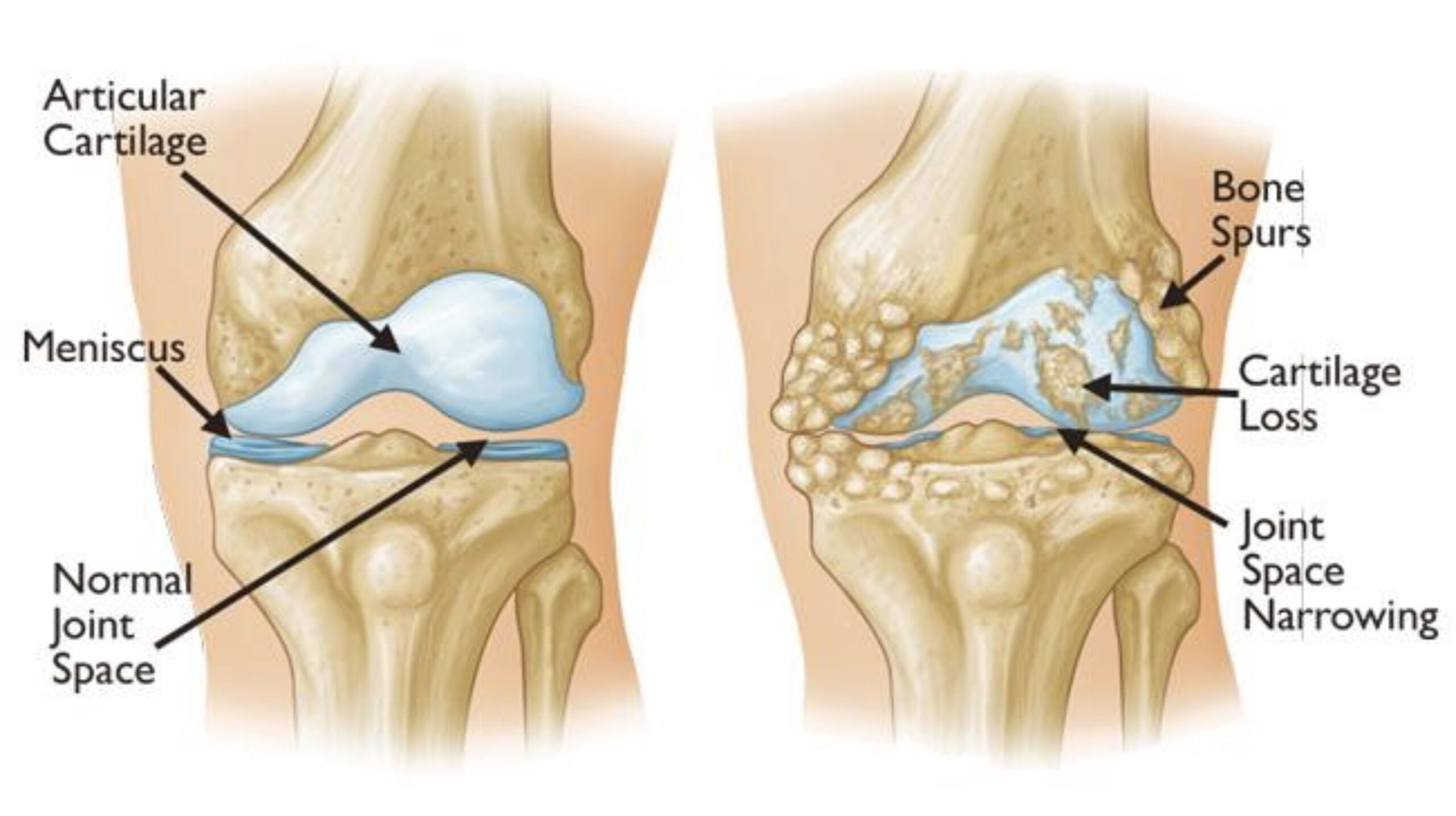
In adults, an elbow UCL injury generally does not present as a single acute rupture as sometimes seen in young pitchers, but rather as an accumulation of repeated micro-damage and incomplete healing. Age-related decline in tendon and ligament blood flow and reduced tissue remodeling capacity underlie this pattern, so each throw adds a small insult that is never fully repaired before the next load arrives. The result: ligament degeneration itself, chronic inflammation of the surrounding tissue, medial elbow synovitis, and sometimes concomitant ulnar nerve irritation.
How It Differs from Simple Muscle Pain and Tennis Elbow
Symptom Pattern and Location
Tennis elbow (lateral epicondylitis) typically involves the lateral aspect of the elbow and worsens with wrist extension. In contrast, an elbow UCL injury causes pain on the medial side, aggravated by throwing motions or by lifting/pulling with medial-side force. Night pain is not always prominent, but a lingering throbbing pain on the medial side from hours to the day after throwing is characteristic. Because the ulnar nerve runs nearby, any numbness or tingling in the ring or little finger warrants a more thorough workup.
Provocative Tests and Imaging
If the moving valgus stress test reproduces medial elbow pain, an elbow UCL injury is suspected. Plain X-rays may reveal bony changes (occasionally an olecranon osteophyte or an avulsion fragment near the sublime tubercle), but the ligament itself is not visible on radiographs. Ultrasound can evaluate widening of the medial joint space under valgus load and detect hypoechoic areas within the ligament, while MRI (particularly MR arthrography for higher sensitivity) is useful for depicting partial or complete tears. Only after a proper diagnosis is stem cell culture supernatant peri-elbow injection even worth discussing.
What Stem Cell Culture Supernatant Peri-Elbow Injection Can and Cannot Do
Can: Address the Chronic Inflammatory Environment Around the Ligament
Stem cell culture supernatant contains anti-inflammatory cytokines and multiple growth factors (TGF-β, IGF-1, FGF, and others), and is thought to modulate the cellular environment of tissue trapped in a chronic inflammatory cycle. In selected partial elbow UCL injury cases where chronic inflammation of the peri-ligamentous tissue, synovium, and enthesis is the primary pain generator, ultrasound-guided stem cell culture supernatant peri-elbow injection can serve as an adjunct that lowers the baseline pain and makes rehabilitation easier to progress. Response and required number of sessions vary significantly by individual; no absolute guarantees can be made.
Cannot: Anatomically Reconstruct a Complete Tear
On the other hand, stem cell culture supernatant is not a treatment that “stitches a torn ligament back together.” For a complete UCL tear with clear valgus instability, or for a competitive athlete strongly motivated to return to high-level throwing, Tommy John surgery (UCL reconstruction using an autologous tendon graft) remains the standard surgical option. Stem cell culture supernatant peri-elbow injection is not a substitute for such surgical indications. Only by honestly sharing both the possibilities and the limits — and by working with an orthopedic surgeon to determine whether conservative management is still viable — can the right treatment sequence be chosen. Please see this page on stem cell culture supernatant joint injections for the treatment flow. General information on joint conditions is available at the Japanese Orthopaedic Association.
Frequently Asked Questions
Q. Can an elbow UCL injury heal on its own?
With partial injury, stopping throwing, resting, and progressing through staged rehabilitation can meaningfully reduce pain. However, if the same motion is repeated, the injury tends to flare, and a partial tear may progress to a complete tear if left unattended. The first step is a proper diagnosis followed by a structured load-management plan.
Q. How many sessions of stem cell culture supernatant peri-elbow injection are needed to see results?
The response and required number of sessions vary considerably from person to person, and no fixed number can be guaranteed. Typically, pain, range of motion, and daily function are evaluated over several weeks to months; if the response is inadequate, the plan should be reviewed — whether to continue, change strategy, or refer back for further orthopedic assessment.
Q. Which is better, Tommy John surgery or stem cell culture supernatant?
These are not directly comparable treatments. When a complete tear with clear instability is present and a return to competition is the goal, surgical reconstruction is the standard option. In partial injuries where inflammation is the dominant pain driver, peri-elbow supernatant injection can be part of conservative care. Everything depends on correctly identifying the indication.
Q. Can I return to throwing practice immediately after the injection?
Not recommended. Pain relief and tissue recovery are distinct processes. For several weeks, prioritize a review of throwing mechanics, core-strengthening, and scapular function, and coordinate a staged return-to-throwing program with your orthopedic or sports medicine physician.
──────────────
Supervising Physician: Shin Moriwaki, MD
Member, Japan Society of Aesthetic Surgery (JSAS) / Member, American Academy of Aesthetic Medicine
ECFMG Certificate (US Medical Licensing Qualification)
──────────────
📍AVAN TOKYO Ginza Regenerative Medicine
English / 中文 / Tiếng Việt supported
Inquiries welcome via DM / LINE / Website / Phone.